Mt. Fuji Blog
Discover valuable insights and practical tips for climbing Mt. Fuji, including cultural experiences.
This blog is based on the local knowledge of our expert guides to enhance your journey!
Discover valuable insights and practical tips for climbing Mt. Fuji, including cultural experiences. This blog is based on the local knowledge of our expert guides to enhance your journey!
Why Are There Monkey Statues at Horse Turning Point on Mount Fuji?
March 19, 2026
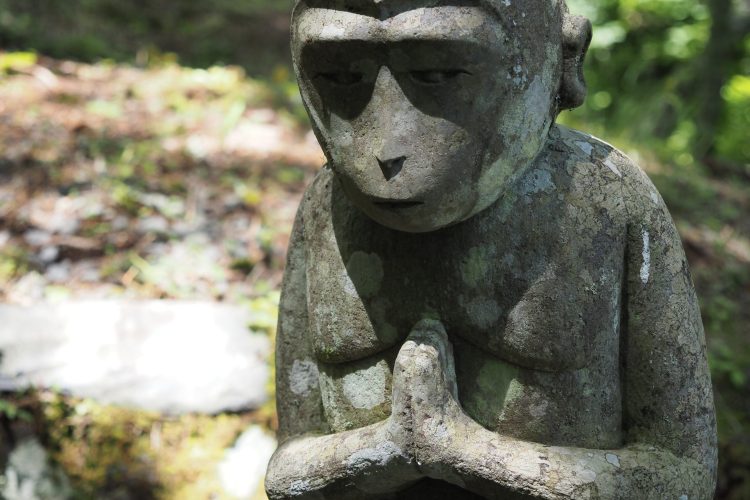
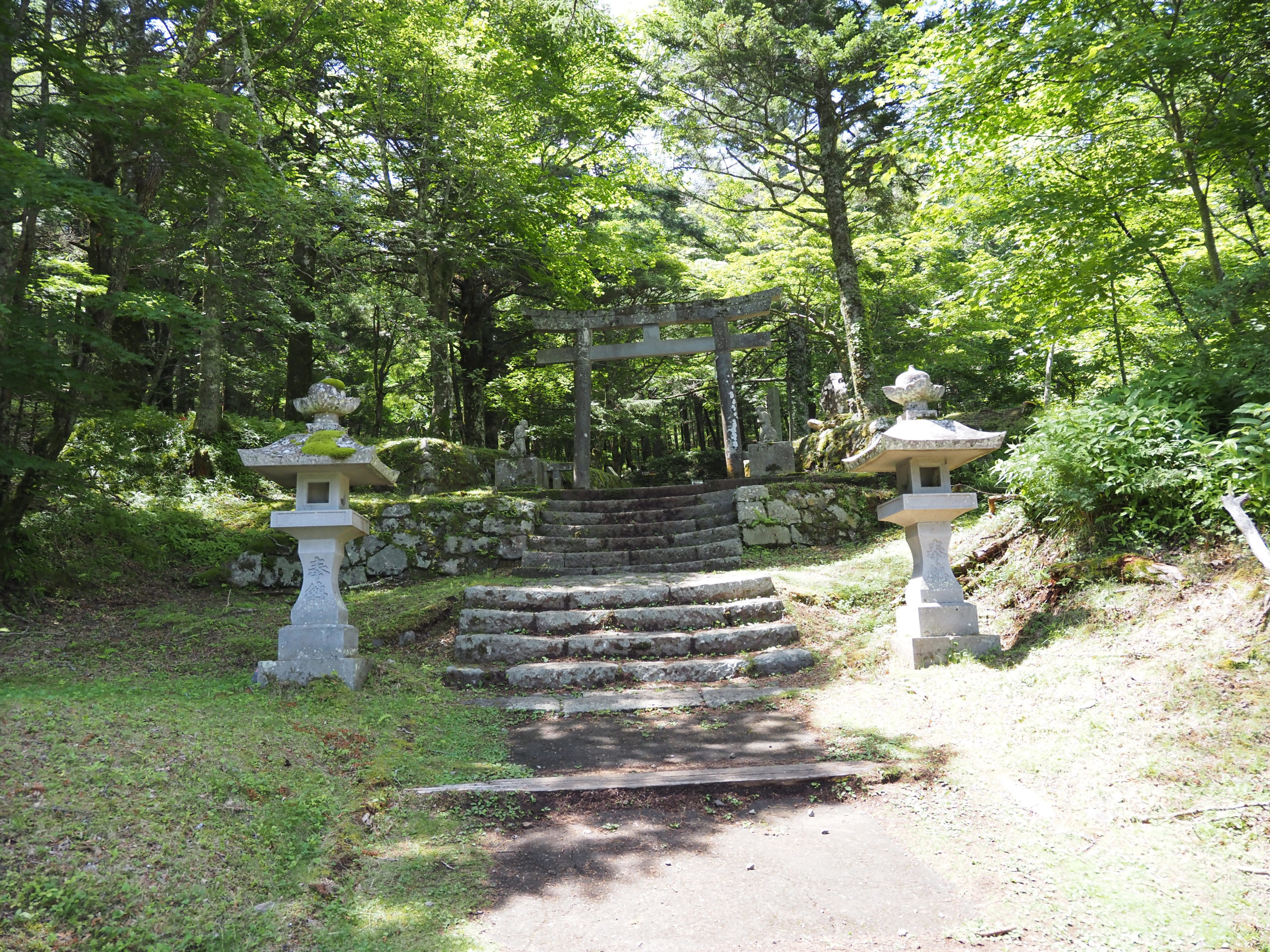
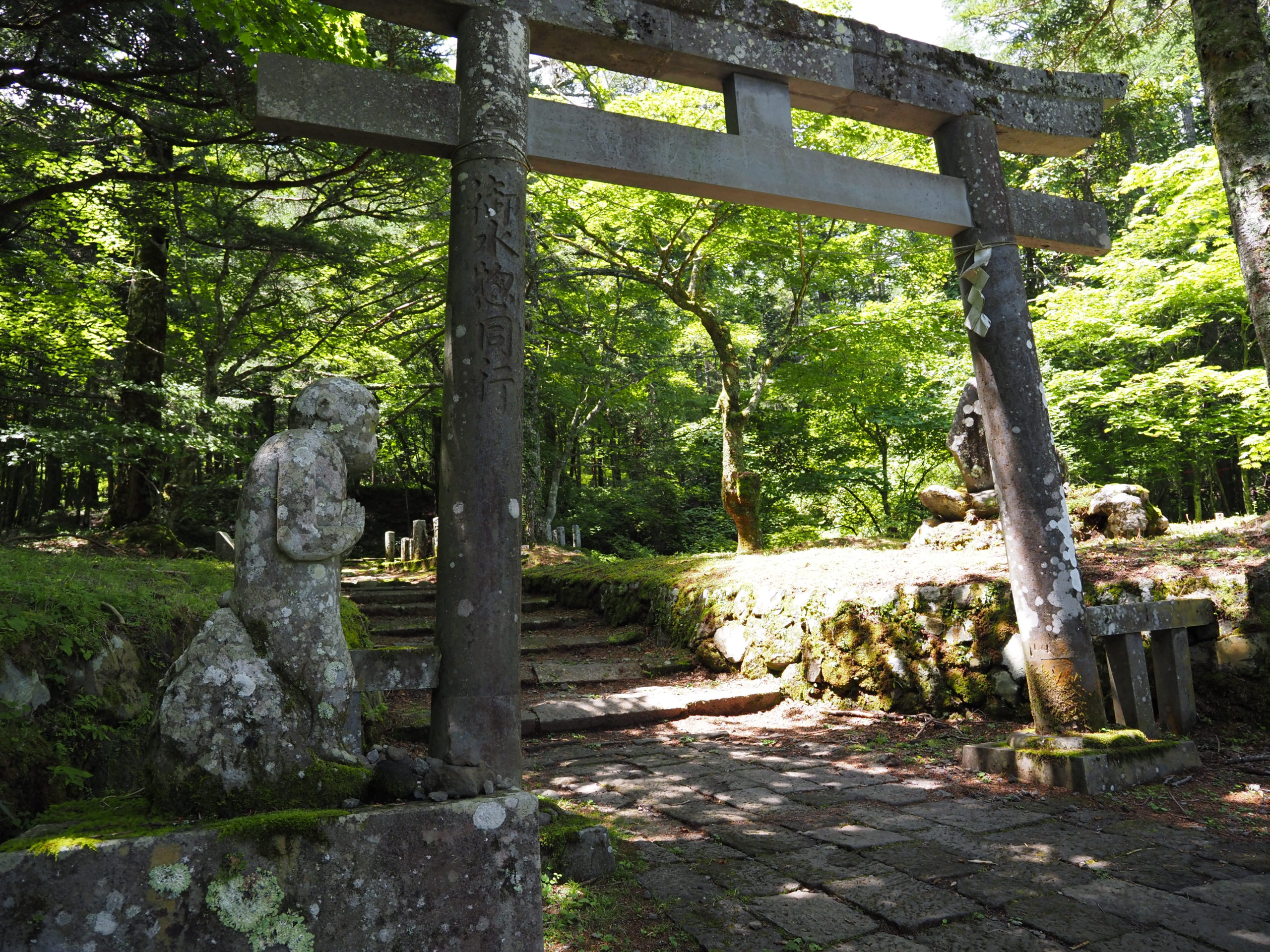
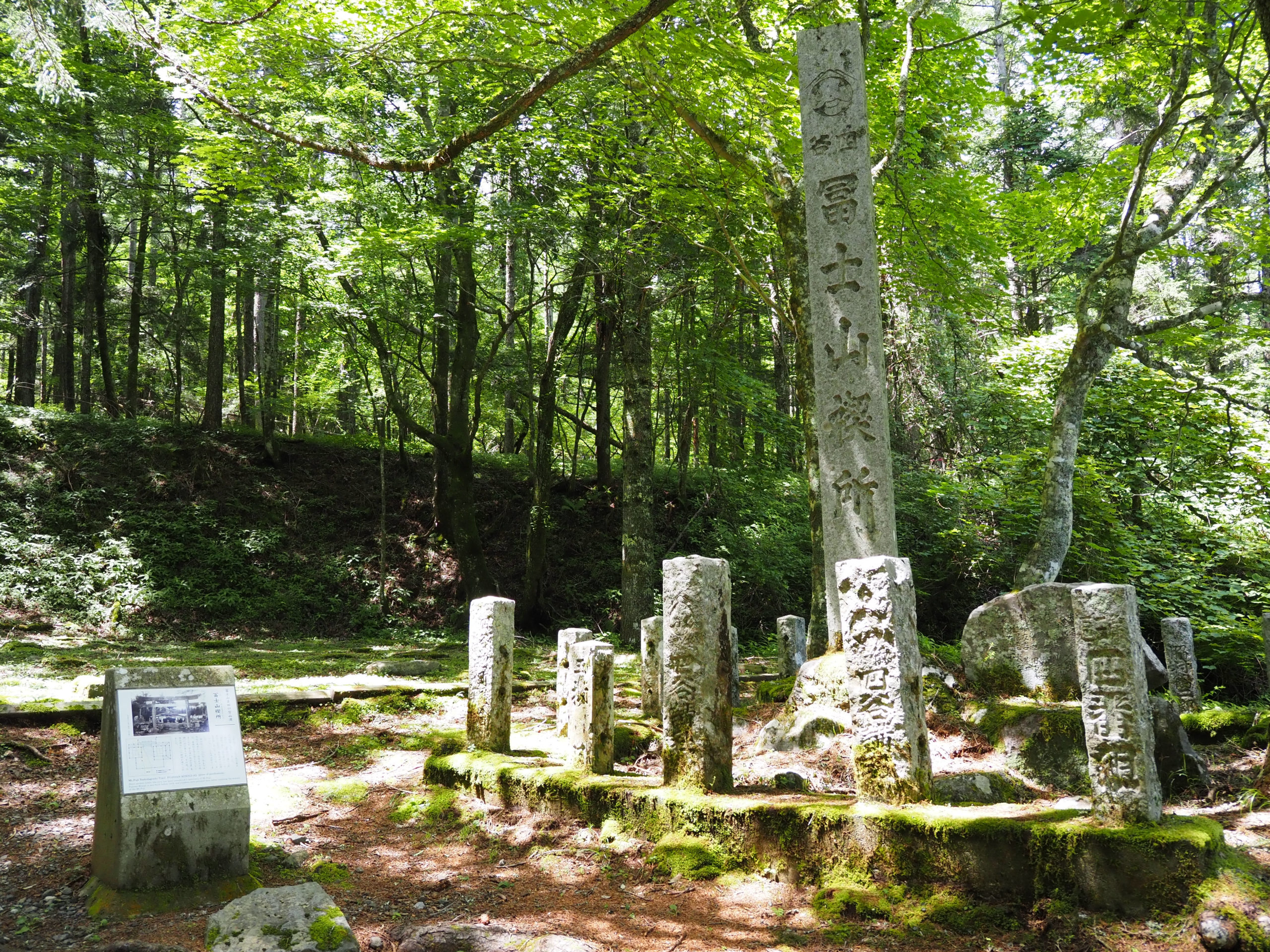
While climbing the historic Yoshida Trail of Mount Fuji, many hikers reach a place called Umagaeshi. Here stands a stone torii gate marking the entrance to the sacred mountain path. On both sides of this gate, visitors will notice something unexpected: two stone monkey statues. At first glance, this seems strange. After all, there are no wild monkeys living on Mount Fuji. So why are monkeys guarding the entrance to the mountain?
The answer lies in the spiritual history of the Fuji pilgrimage.
The Sacred Boundary of the Mountain
Umagaeshi literally means “Horse Turning Point.”
In the past, pilgrims traveling to Mount Fuji often rode horses or used pack animals to carry their belongings. But beyond this point, the mountain was considered sacred ground.
Animals were not allowed to enter. Pilgrims had to leave their horses behind and continue the journey on foot. From here, the climb became a religious act rather than just a physical journey.
The Monkey as Mount Fuji’s Sacred Messenger
The monkey statues beside the torii represent a symbolic animal connected to the mountain. According to legend, Mount Fuji first appeared to the world during the Year of the Metal Monkey in the traditional Japanese zodiac, once every 60 years.
Because of this story, the monkey became associated with the spiritual power of the mountain. Pilgrims believed monkeys were messengers of the mountain’s deity, protecting those who entered the sacred landscape.
A Lucky Year to Climb Fuji
In Fuji pilgrimage culture, the Year of the Metal Monkey was considered especially auspicious. During those years, large numbers of believers traveled to Mount Fuji hoping to gain extra blessings from the climb. The next Metal Monkey year will occur in 2040, and some people already look forward to climbing the mountain then for spiritual luck.
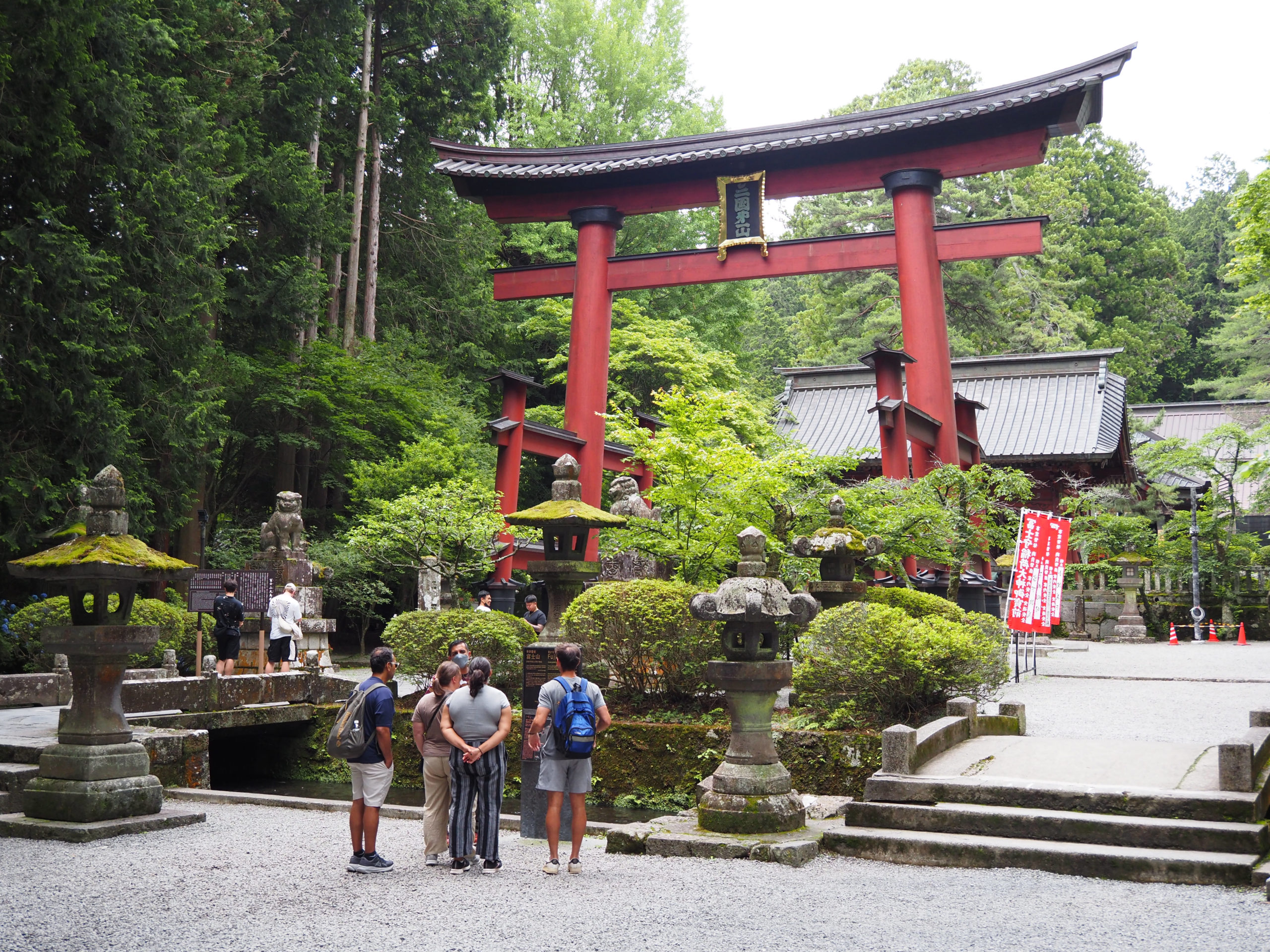
In accordance with the 60-year cycle, the torii gate at Kitaguchi Hongu Sengen Shrine, located at the northern foot of Mount Fuji, undergoes renovation and expansion once every 60 years.
It is customary to build a gate larger than the previous one during these renovations, and today’s torii is one of the largest wooden torii gates in Japan.
Purification Before the Climb
A Small Detail with a Big Story
Today, many hikers pass the monkey statues without knowing their meaning.
Yet these small sculptures reveal an important part of Mount Fuji’s pilgrimage culture. They remind us that the mountain was once more than a climbing destination—it was a sacred landscape where travelers began a spiritual journey.
And for centuries, the silent stone monkeys of Umagaeshi have stood at the threshold, welcoming pilgrims to the path of Japan’s sacred mountain.
JIN Tours also offers a day-trip hiking tour that takes you from the first station, Umagaeshi, where this monkey statue stands, all the way to the fifth station.
Please click here for more details.