
Mt. Fuji Blog
Discover valuable insights and practical tips for climbing Mt. Fuji, including cultural experiences.
This blog is based on the local knowledge of our expert guides to enhance your journey!
Discover valuable insights and practical tips for climbing Mt. Fuji, including cultural experiences. This blog is based on the local knowledge of our expert guides to enhance your journey!
What is Oshi House?
March 17, 2026
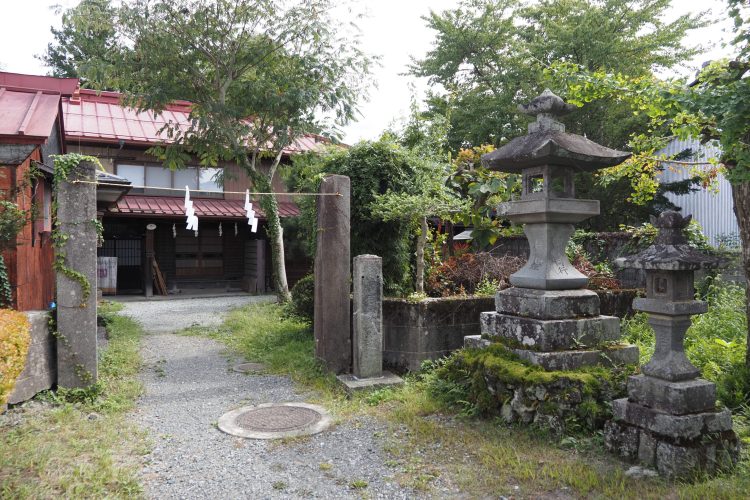
The 500-Year Pilgrim Lodges of Mount Fuji
Mount Fuji is one of the most iconic mountains in the world. Today, thousands of hikers climb it every summer for adventure and the famous sunrise at the summit. But centuries ago, climbing the mountain was not tourism—it was a religious pilgrimage.
Before beginning the sacred ascent, pilgrims stayed in special lodges run by spiritual guides. These unique accommodations were known as Oshi houses, and they formed the heart of a fascinating pilgrimage culture that lasted for more than 500 years.
What Is an Oshi?
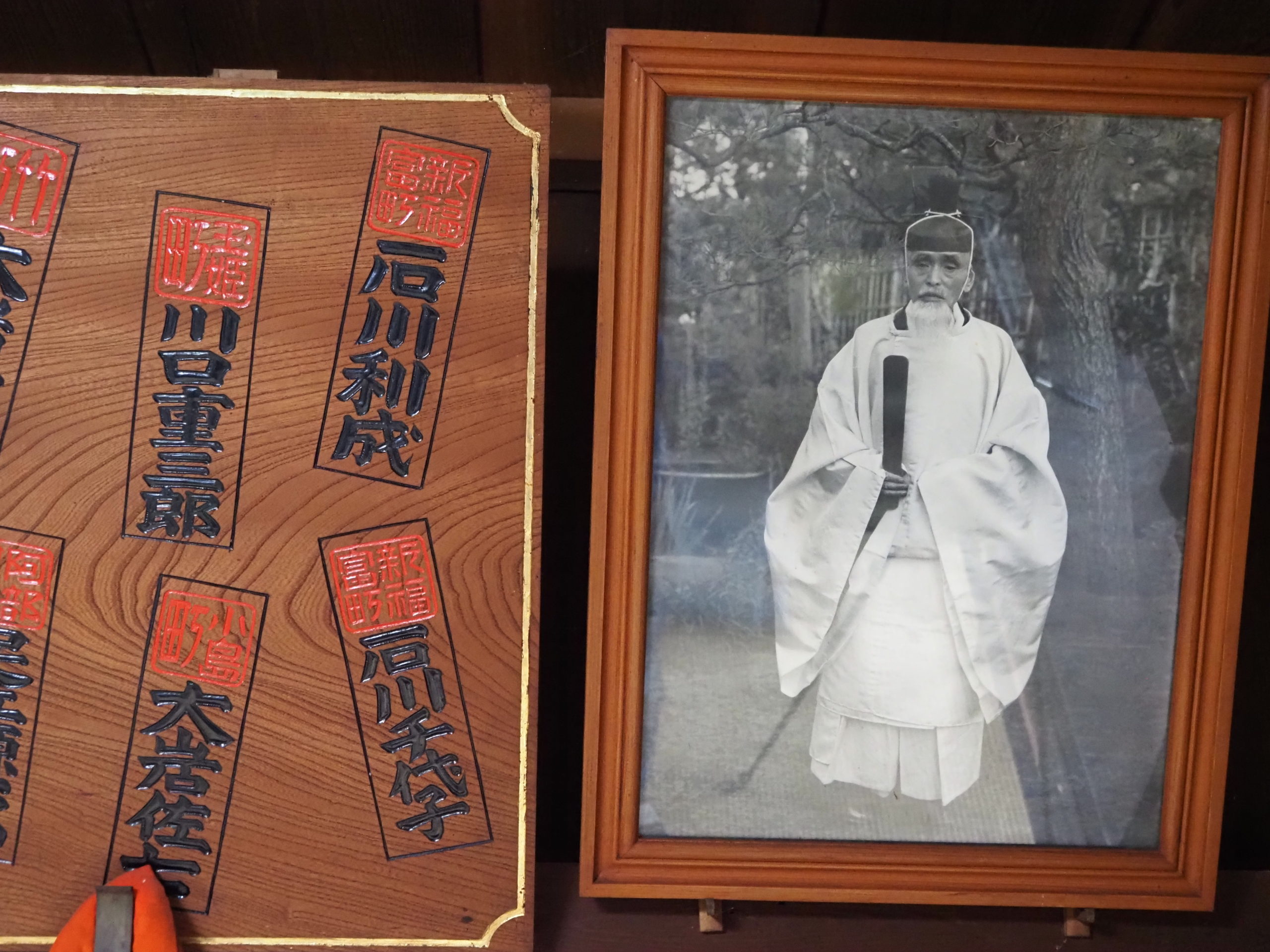
An Oshi was a religious host who supported pilgrims traveling to Mount Fuji. Their role combined several professions at once: part Shinto priest, part tour guide, and part innkeeper.
Oshi families belonged to communities connected to the worship of Mount Fuji. They helped pilgrims prepare spiritually and physically for the climb. Their responsibilities included:
Providing lodging and meals
Performing prayers and purification rituals
Teaching the religious meaning of the pilgrimage
Guiding groups toward the climbing routes
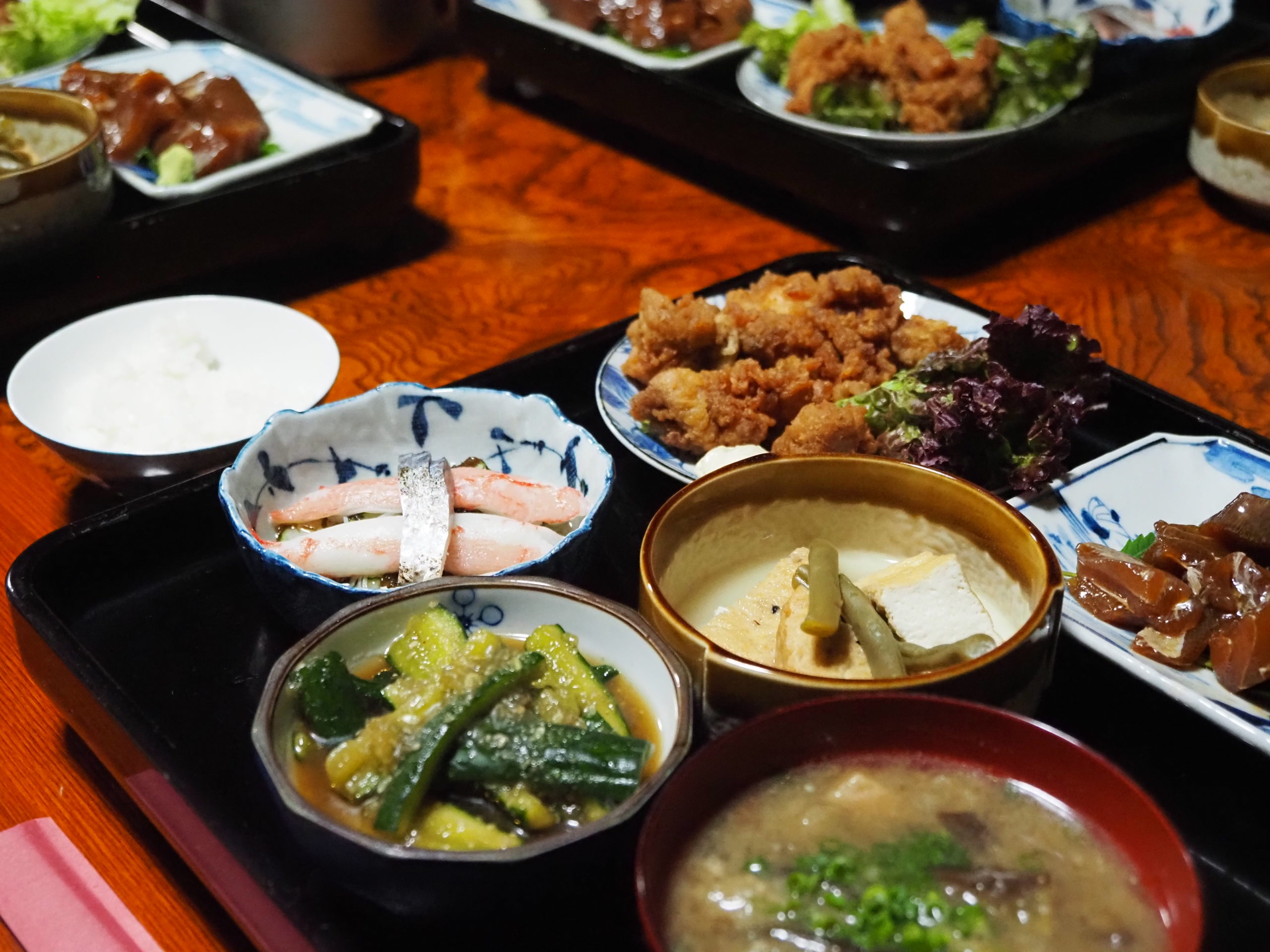
In other words, the Oshi managed the entire pilgrimage experience.
For travelers arriving after a long journey, the Oshi house was the place where their sacred adventure truly began.
The Pilgrimage Culture of Mount Fuji
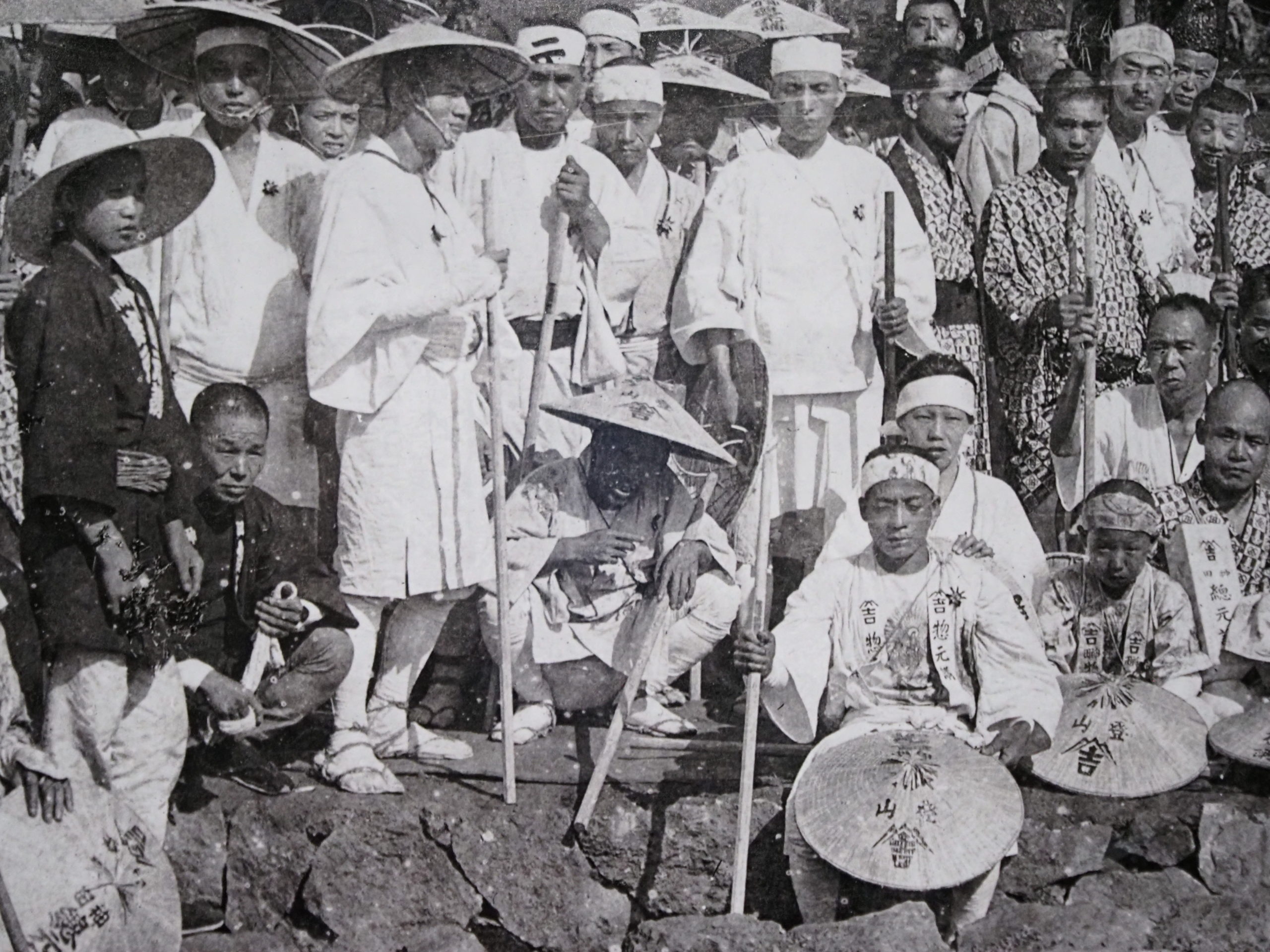
During the Edo period (1603–1868), Mount Fuji became one of Japan’s most important pilgrimage destinations. Devotees belonged to religious groups called Fuji-kō, which were organizations dedicated to the worship of the mountain.
Members of these groups would save money throughout the year to send representatives on a pilgrimage. Each summer, groups traveled from cities like Edo (modern Tokyo) and gathered at the foot of the mountain.
At the center of this activity was the town of Fujiyoshida. This town served as the gateway to the Yoshida climbing route, one of the main paths to the summit of Mount Fuji. Before climbing, pilgrims stayed in Oshi houses to prepare for the sacred journey.
Fujiyoshida: A Town of Pilgrim Lodges
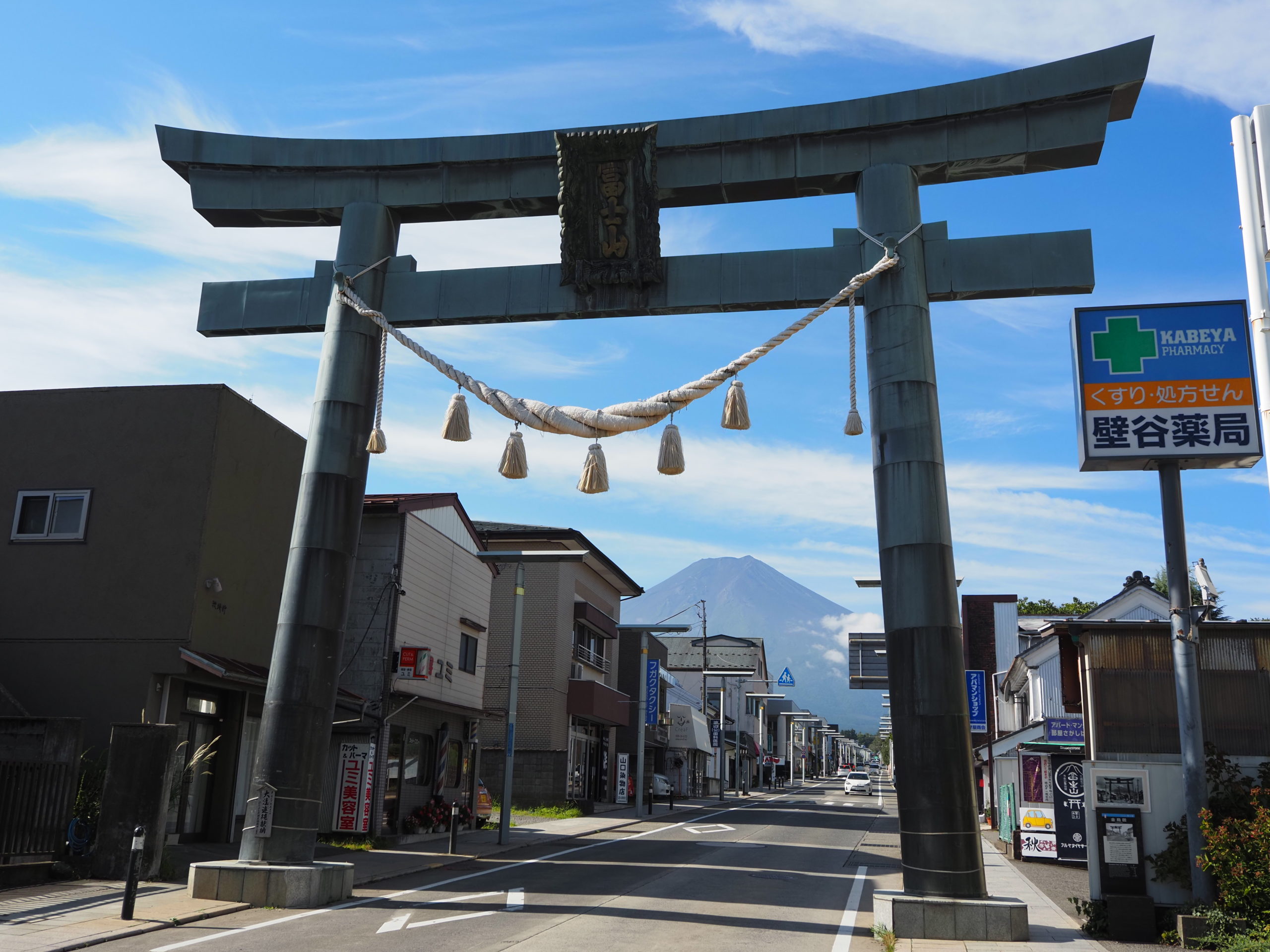
In the Edo period, Fujiyoshida was essentially a pilgrimage town. Records show that there were as many as 86 to 90 Oshi houses operating there.
Each lodge was run by a family that had often served pilgrims for generations. When large pilgrimage groups arrived, the houses would fill quickly. During the busiest seasons, travelers sometimes had to sleep in hallways because every room was occupied.
The Oshi families maintained long-term relationships with specific Fuji-kō groups. Some pilgrim organizations returned to the same house year after year, creating a tradition that lasted generations.
What an Oshi House Looked Like
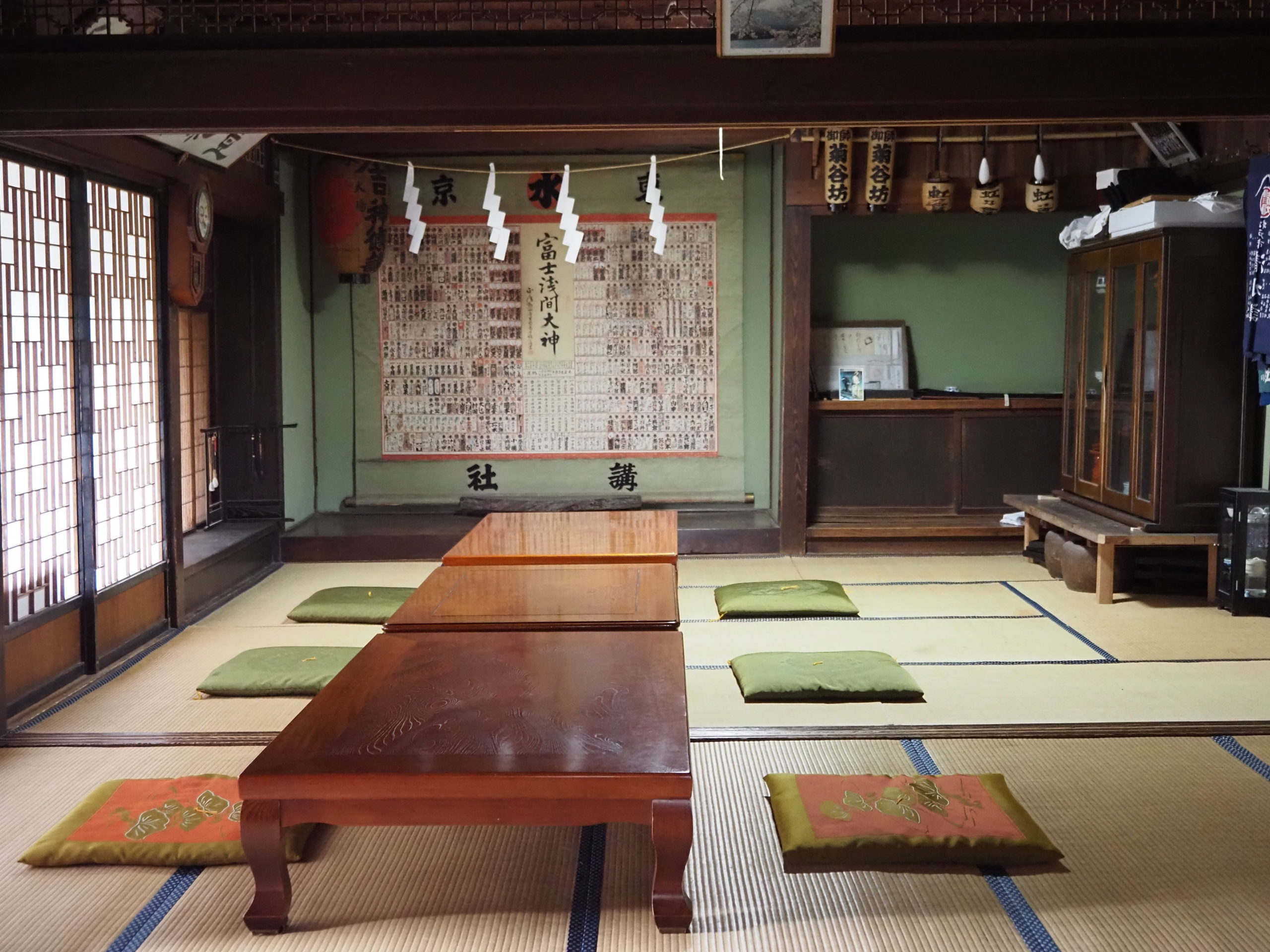
Oshi houses were designed to accommodate large groups of pilgrims. Their architecture had several distinctive features.
Typical characteristics included:
Long, narrow buildings with deep interiors
Large tatami rooms for group lodging
Ritual spaces for prayer ceremonies
A shrine dedicated to the deity of Mount Fuji
In many houses, the shrine was located in the rear of the building. Pilgrims would gather there before their climb to receive blessings for safety and success.
One famous surviving example is the Former Togawa Family Residence, a historic Oshi house built in the 18th century that is now open to visitors as a cultural site.
Pilgrims and the Sacred Climb
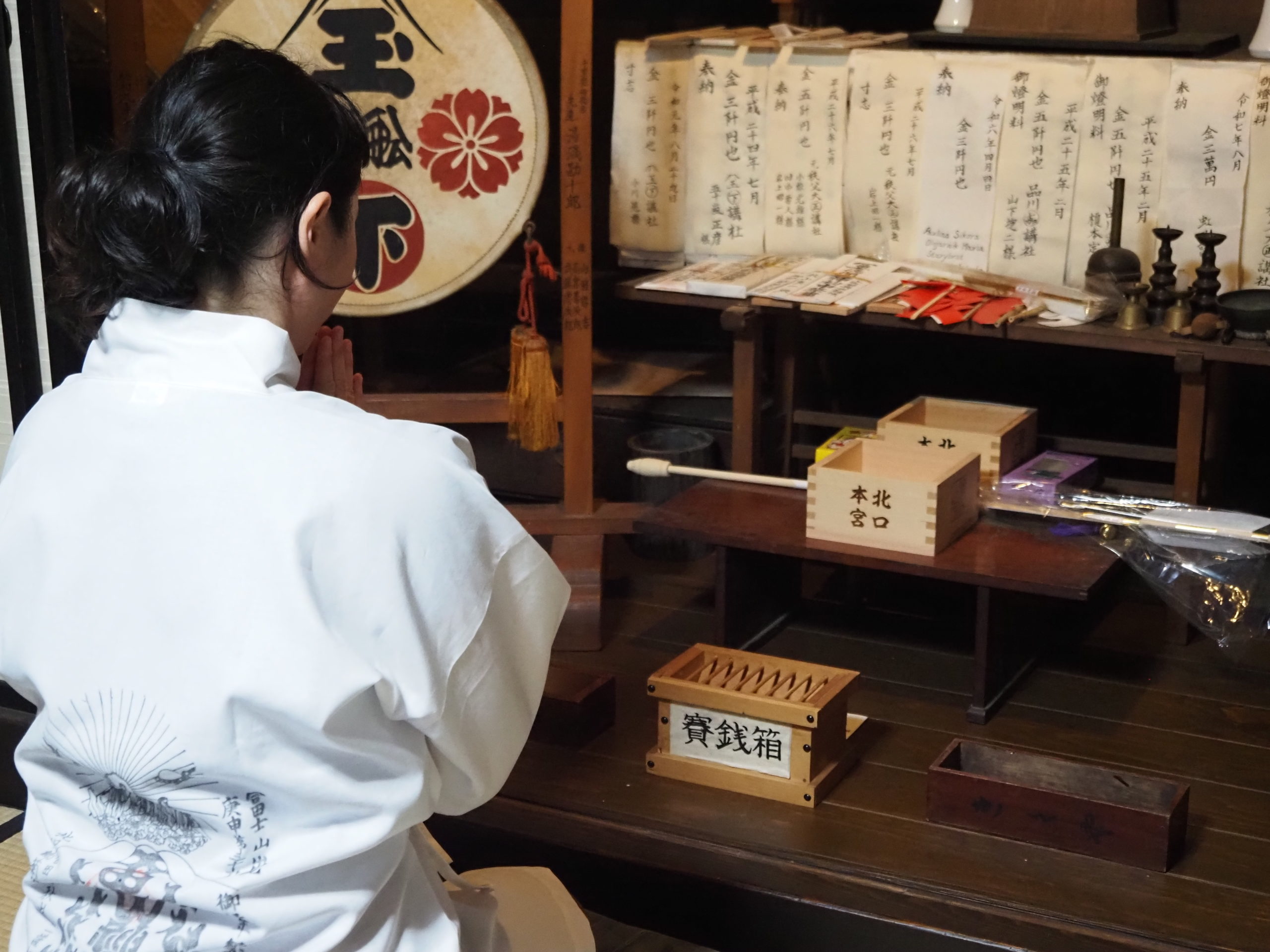
Climbing Mount Fuji was not simply a physical challenge. It was considered a spiritual act.
Pilgrims often wore white garments, the same color used for burial clothing in traditional Japan. This symbolized spiritual rebirth and the idea that climbing the mountain represented a journey between the worlds of the living and the dead.
Before beginning the ascent, the Oshi would perform prayers and purification rituals. These ceremonies prepared the pilgrims spiritually for the climb.
Only after these rituals were completed would the group set out toward the mountain.
The Decline of the Oshi Houses
The Oshi system began to decline in the late 19th century.
Several factors contributed to this change:
Government religious reforms during the Meiji era
The decline of Fuji-kō religious organizations
The transformation of Mount Fuji climbing into a recreational activity
As pilgrimage culture faded, many Oshi houses closed. From nearly 90 lodges in their peak period, only a small number remain today.
Staying at an Oshi House Today
Although most of these historic lodges disappeared, a few Oshi houses have survived and even been revived as cultural accommodations.
Some families continue to run their houses, offering visitors a chance to experience the traditions of Fuji pilgrimage culture. Guests can stay in historic rooms, learn about the history of Mount Fuji worship, and explore the old pilgrimage routes.
For modern travelers, staying in an Oshi house offers something very different from a typical hotel. It provides a rare glimpse into a centuries-old tradition that shaped the spiritual history of Japan’s most famous mountain.
The Oshi House, where we stay during the JIN’s Pilgrimage Tour
A Hidden Cultural Heritage of Mount Fuji
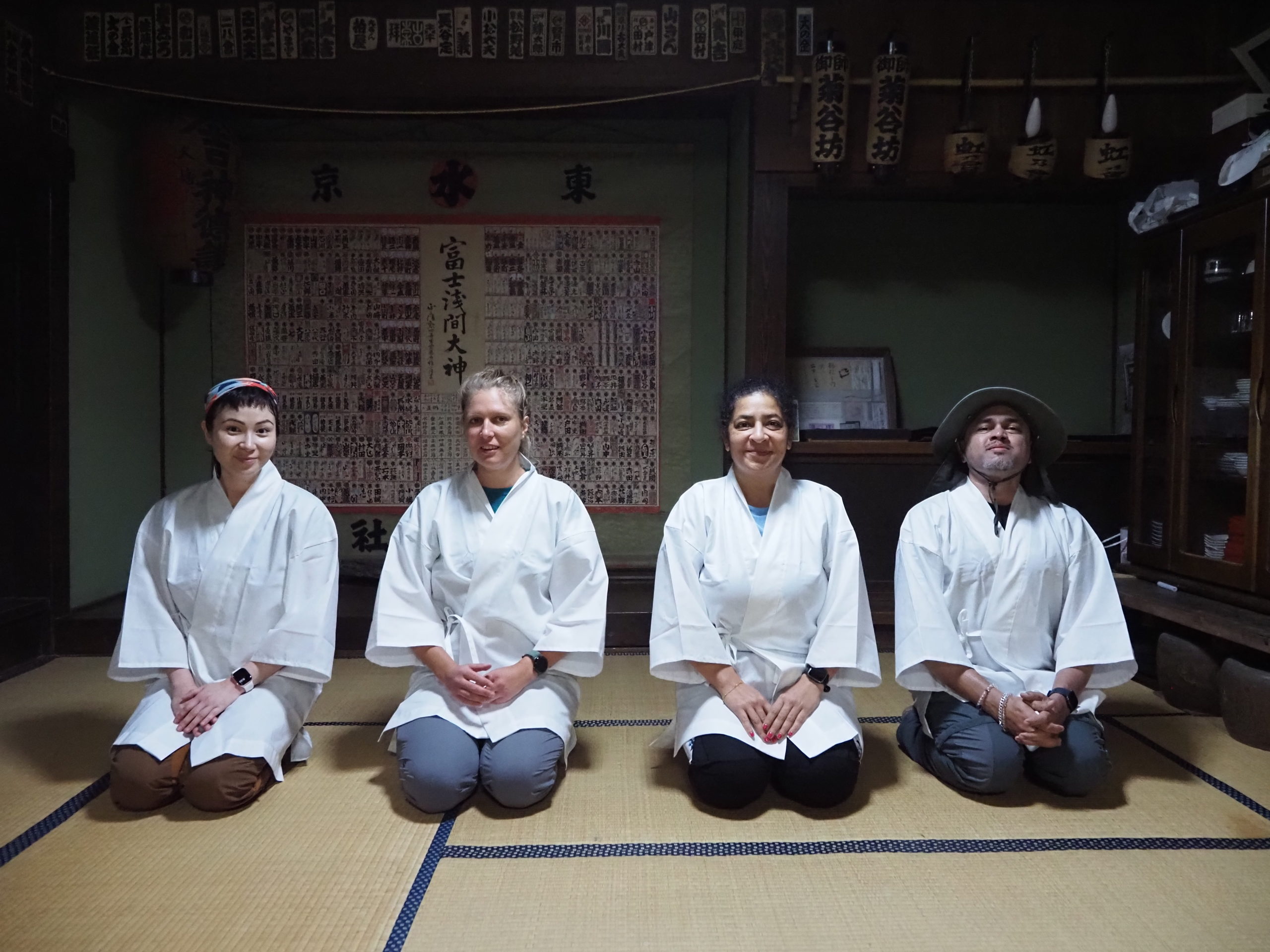
Today, most people think of Mount Fuji as a hiking destination or a scenic symbol of Japan. But its deeper history is rooted in faith, pilgrimage, and community.
The Oshi houses of Fujiyoshida were once essential to that culture. For more than 500 years, they welcomed travelers who believed that climbing the mountain was a sacred journey.
Though only a few remain, these lodges continue to tell the story of a remarkable tradition—one where hospitality, religion, and adventure were all part of the same pilgrimage.
JIN also offers tours that allow visitors to stay at the Oshi Houses as a part of a traditional pilgrimage experience.
Please click here for more details.