
Mt. Fuji Blog
Discover valuable insights and practical tips for climbing Mt. Fuji, including cultural experiences.
This blog is based on the local knowledge of our expert guides to enhance your journey!
Discover valuable insights and practical tips for climbing Mt. Fuji, including cultural experiences. This blog is based on the local knowledge of our expert guides to enhance your journey!
Fujiyoshida City: The Gateway Town of Mount Fuji
March 20, 2026
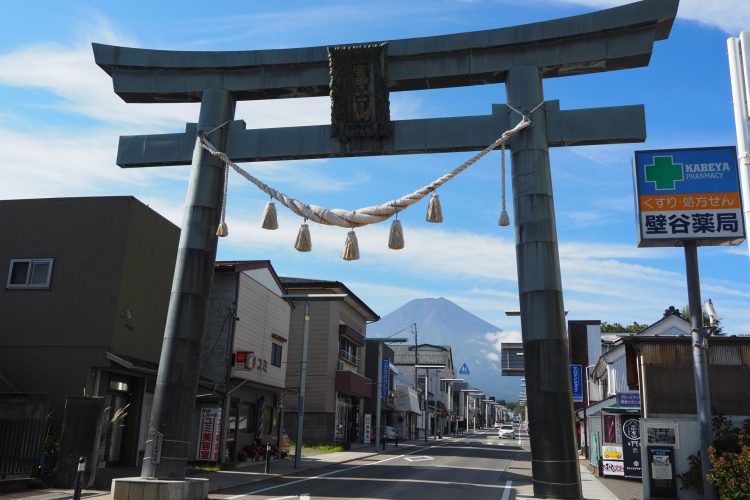
When travelers visit the northern side of Mount Fuji today, many pass through the city of Fujiyoshida.
At first glance, it may seem like a quiet regional town. But historically, Fujiyoshida played a crucial role in one of Japan’s most important religious journeys: the pilgrimage to Mount Fuji.
For centuries, this town served as the starting point for pilgrims heading to the sacred mountain. Over time, the constant flow of visitors helped shape the city’s culture, economy, and neighborhoods—from religious lodging districts to textile industries and vibrant nightlife streets.
The Gateway to Mount Fuji Pilgrimage
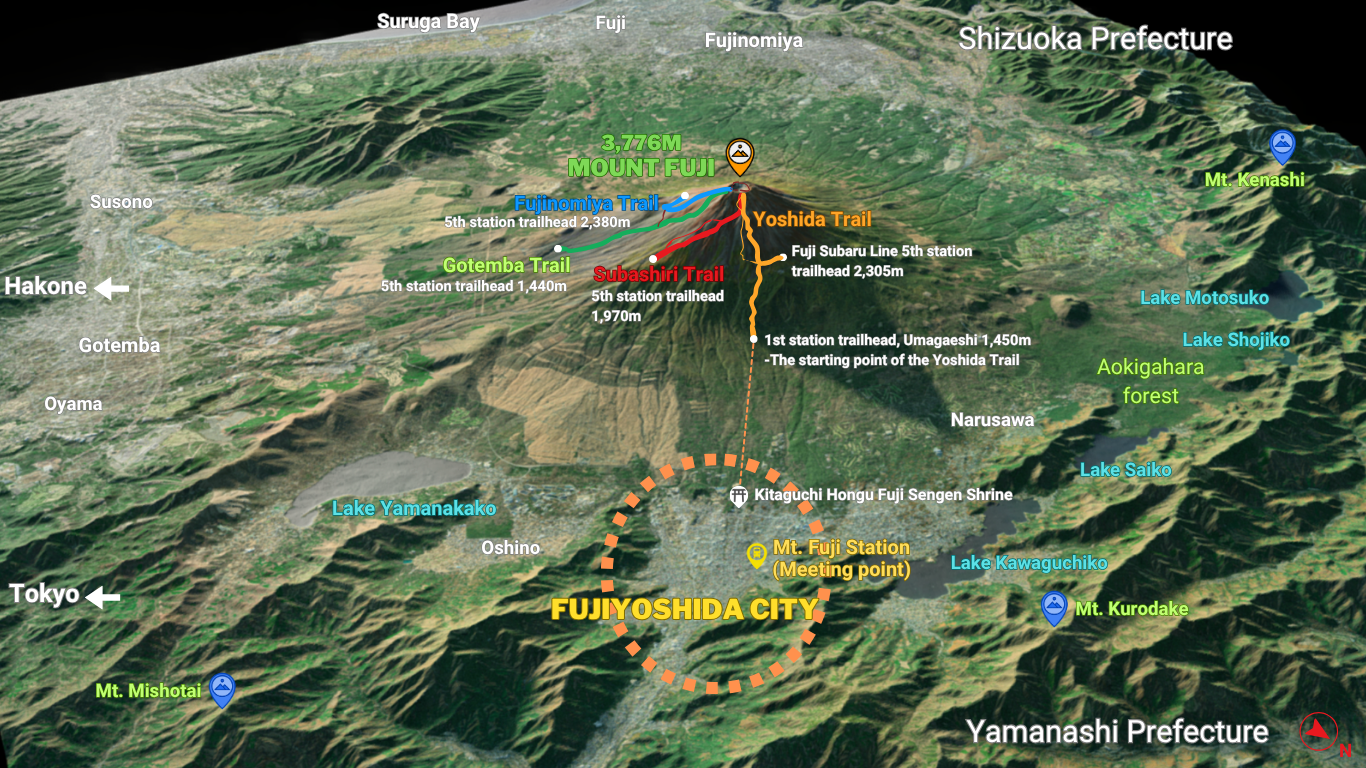
During the Edo period (1603–1868), thousands of believers traveled to Mount Fuji every year as part of religious pilgrimages organized by Fuji worship groups.
Most of these pilgrims approached the mountain from the north, beginning their journey along the Yoshida climbing route. The entrance to this route was located in Fujiyoshida, which naturally made the town the main gathering point before the climb.
Pilgrims typically arrived a day before their ascent to rest, prepare, and participate in religious rituals.
Many stayed in traditional lodges run by spiritual hosts known as Oshi.
If you want to learn more about these unique pilgrimage lodges, see our guide here:
The Development of an Oshi Town
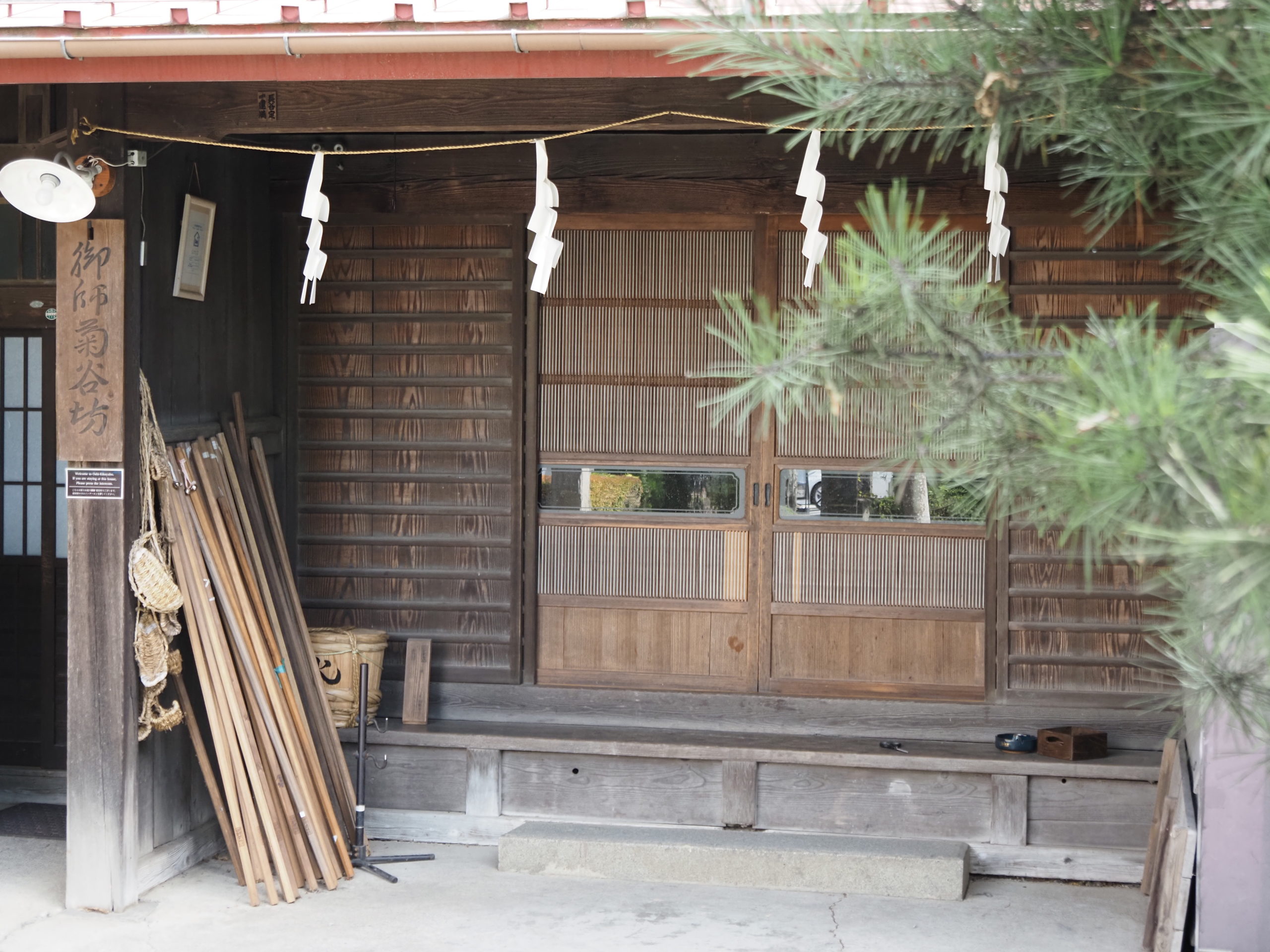
Because thousands of pilgrims arrived each year, entire neighborhoods developed to serve them.
In the district of Kamiyoshida, streets were lined with houses run by Oshi families who welcomed traveling groups. These houses functioned not only as lodging but also as cultural and religious centers for visitors.
The constant flow of pilgrims created a local economy built around hospitality, religious services, and travel infrastructure. Shops sold supplies for the climb, food vendors served travelers, and local guides helped organize the journeys.
Over time, Fujiyoshida became known throughout Japan as the gateway town of Mount Fuji.
The Oshi House, where we stay during the JIN’s Pilgrimage Tour
The Rise of the Textile Industry in Shimo-Yoshida
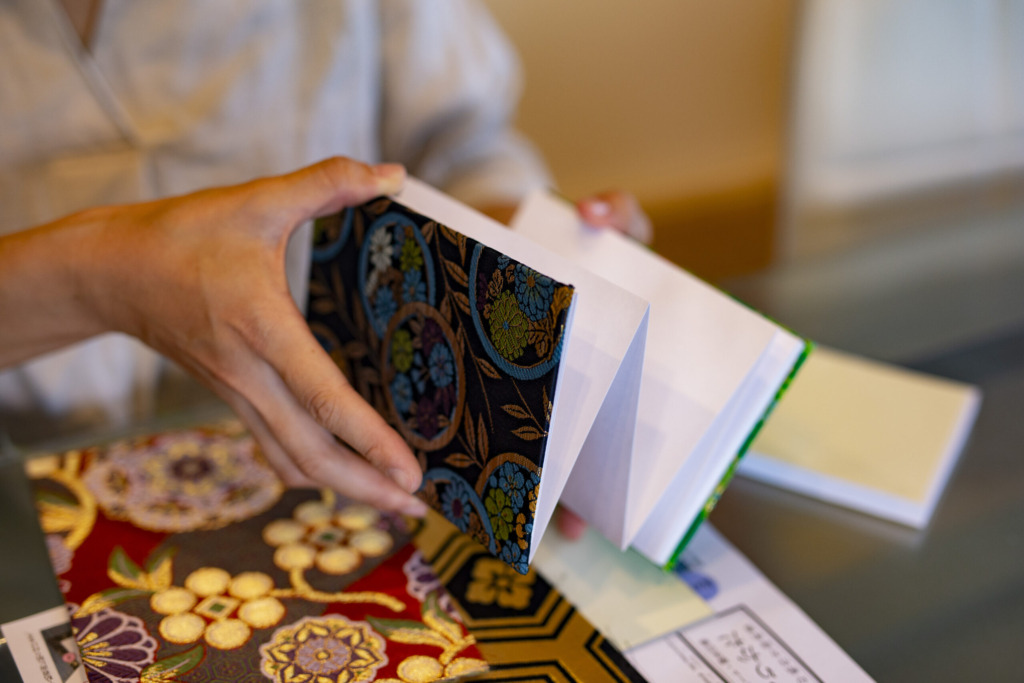
While the pilgrimage culture shaped part of the city, another industry played an equally important role in its growth.
The district of Shimo-Yoshida became famous for its textile production, particularly silk weaving.
Beginning in the Edo period and continuing through the 20th century, the region developed a strong reputation for producing high-quality fabrics. The cool climate and access to water made it well-suited for weaving and dyeing processes.
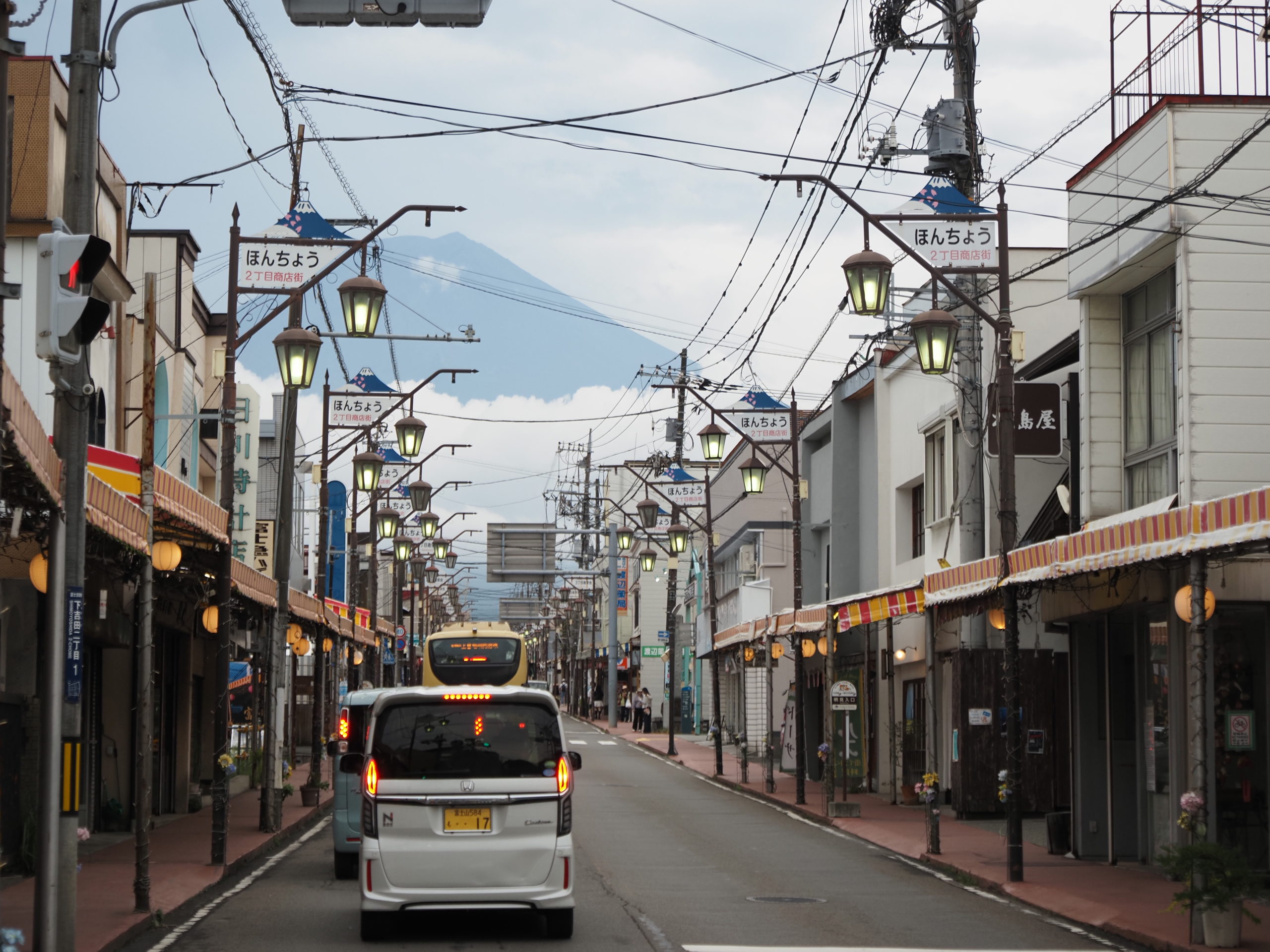
At its peak, the textile industry supported thousands of workers. Looms operated throughout the town, and the sound of weaving machines became part of daily life.
The fabrics produced here were distributed across Japan and even exported internationally.
Even today, traces of this heritage remain in old factories, small workshops, and local museums dedicated to the region’s textile culture.
Nishirura: The Nightlife District of Fujiyoshida
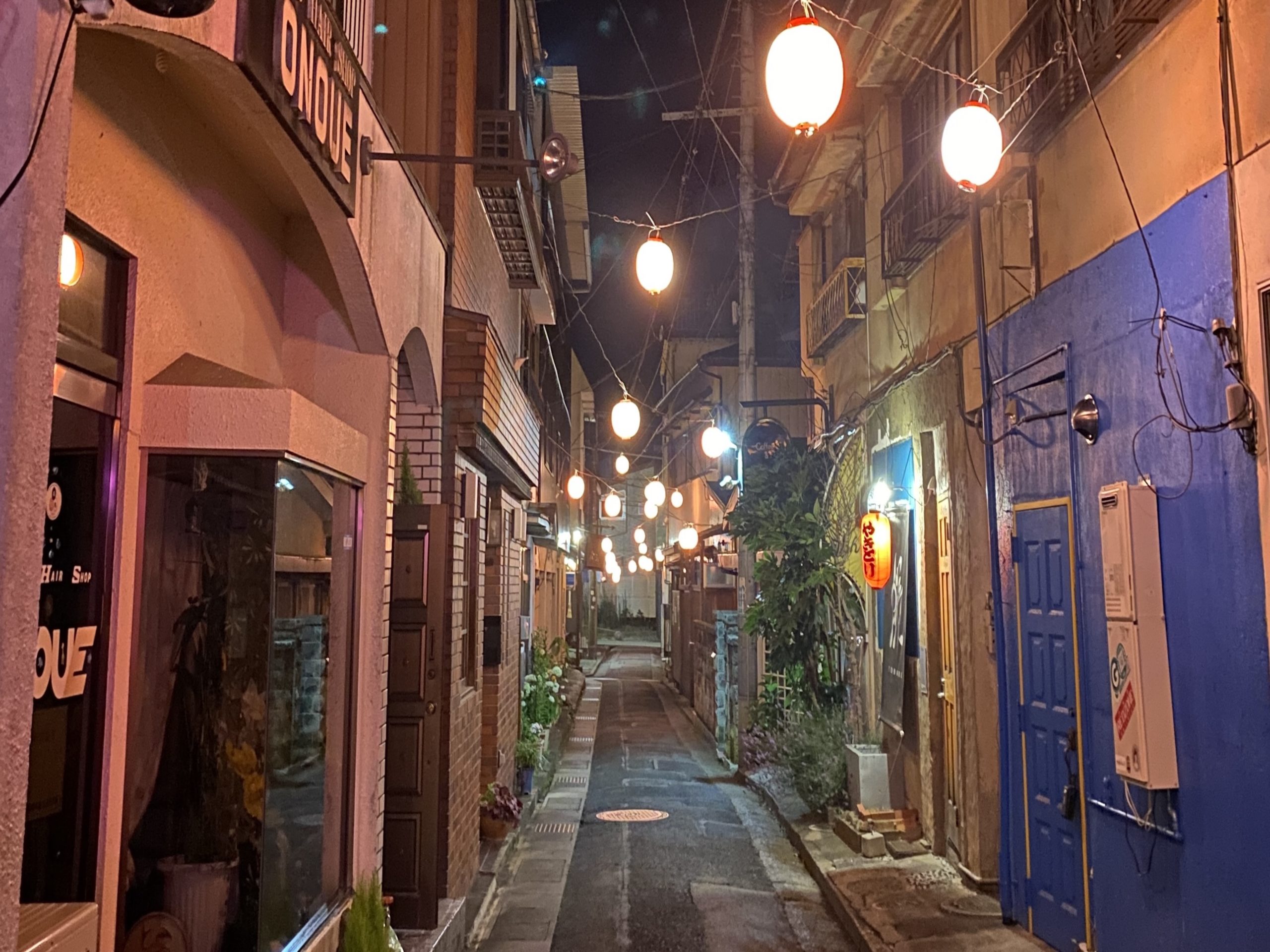
Another fascinating part of the city’s history can be found in the neighborhood known as Nishirura. Often referred to as “Nishirura Yokocho,” this district developed as a lively entertainment area for workers and visitors.
During the peak of the textile industry, laborers, merchants, and travelers gathered here after work. The streets became filled with small bars, izakaya restaurants, and snack pubs.
At one time, the district was said to have more than 200 drinking establishments packed into narrow streets.
Today, Nishirura still retains the atmosphere of a retro Japanese nightlife area. Neon signs glow above small bars, and locals gather to enjoy drinks and conversation in intimate spaces that feel unchanged from decades ago.
For visitors, it offers a completely different side of Fujiyoshida—one that contrasts with the quiet streets and historic pilgrimage sites.
A Town Shaped by Pilgrims and Industry
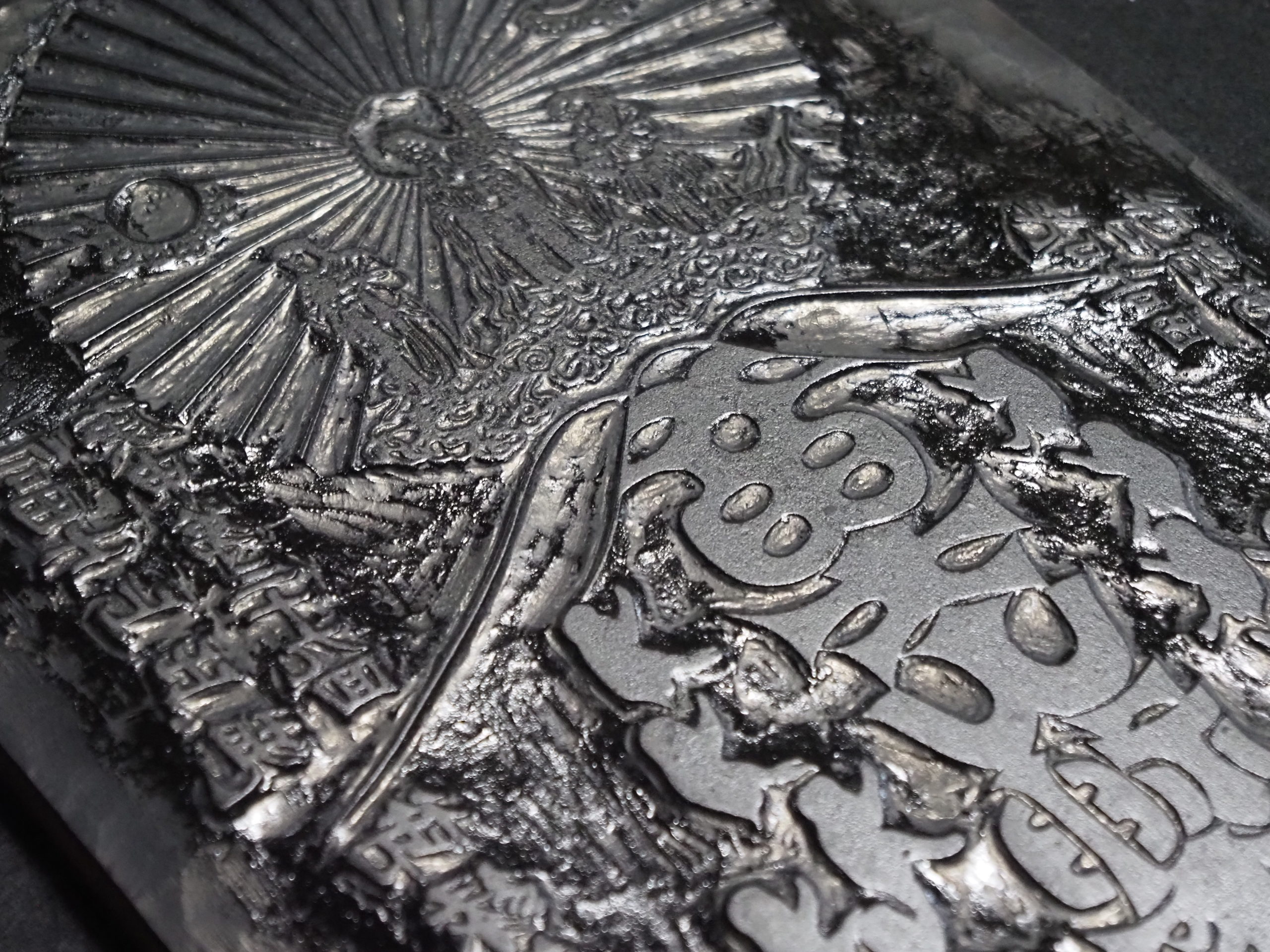
The history of Fujiyoshida is unique because it was shaped by two powerful forces.
First came the religious pilgrimage culture surrounding Mount Fuji, which turned the town into an important spiritual gateway.
Later, the textile industry transformed neighborhoods like Shimo-Yoshida into centers of manufacturing and trade.
Together, these influences created a town with many layers of history—from sacred mountain traditions to industrial heritage and vibrant nightlife.
Fujiyoshida in the Global Mountain Network
Over time, the constant flow of visitors helped shape the city’s culture, economy, and neighborhoods—from religious lodging districts to textile industries and vibrant nightlife streets. Interestingly, this mountain gateway town is also connected to the world. Fujiyoshida has sister city relationships with Chamonix-Mont-Blanc and Colorado Springs—both of which, like Fujiyoshida, sit at the foot of famous mountains.
These are not random partnerships—they are connections between gateway towns of iconic mountains. Each represents a different way people experience mountains. These three mountains highlight a fascinating contrast. These differences show that mountains are not just natural landmarks—they are cultural symbols:
Mount Fuji → A sacred mountain shaped by pilgrimage and spirituality. Non-technical climb focused on endurance and sunrise views.
Mont Blanc → A symbol of challenge and the birthplace of modern mountaineering. Technical alpine expedition requiring skill and preparation.

Pikes Peak → An accessible mountain known for scenic travel and tourism. Accessible by car, train, or short hikes.
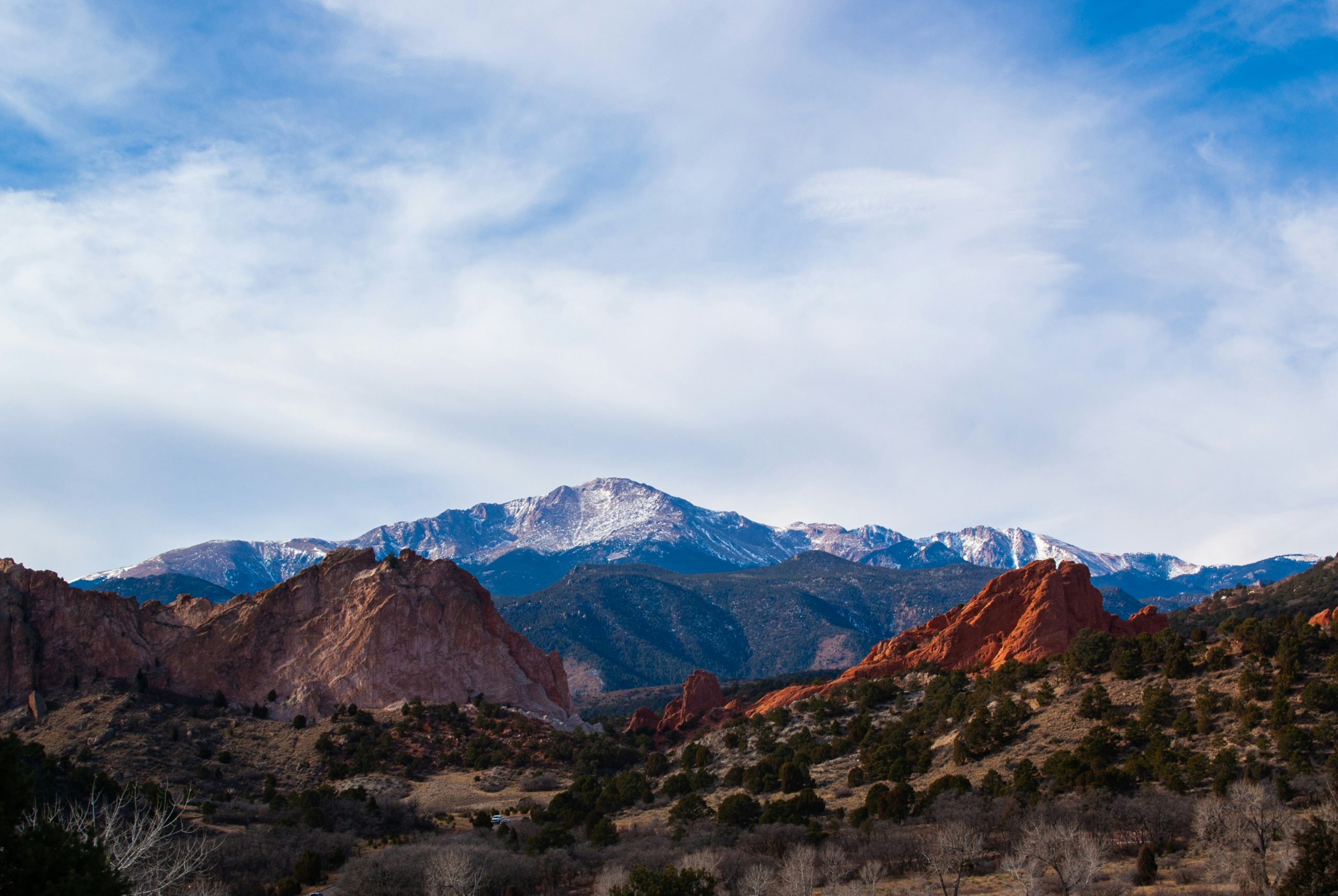
Today, Fujiyoshida is often overshadowed by the famous views of Mount Fuji nearby. Yet the city itself tells an important story about how communities developed around the mountain.
Walking through its neighborhoods reveals different chapters of that history:
former pilgrimage streets
textile workshops and factories
retro nightlife alleys
Each reflects a different era in the life of this gateway town.
For travelers interested in culture and history, Fujiyoshida offers far more than just a place to photograph Mount Fuji—it provides a window into the communities that have lived in the mountain’s shadow for centuries.
JIN Tours also offers day-trip city exploration tours that take you through the nature and culture of Fujiyoshida City.
Please click here for more details.