
Mt. Fuji Blog
Discover valuable insights and practical tips for climbing Mt. Fuji, including cultural experiences.
This blog is based on the local knowledge of our expert guides to enhance your journey!
Discover valuable insights and practical tips for climbing Mt. Fuji, including cultural experiences. This blog is based on the local knowledge of our expert guides to enhance your journey!
Why Is Climbing Mount Fuji Considered a Pilgrimage?
March 27, 2026
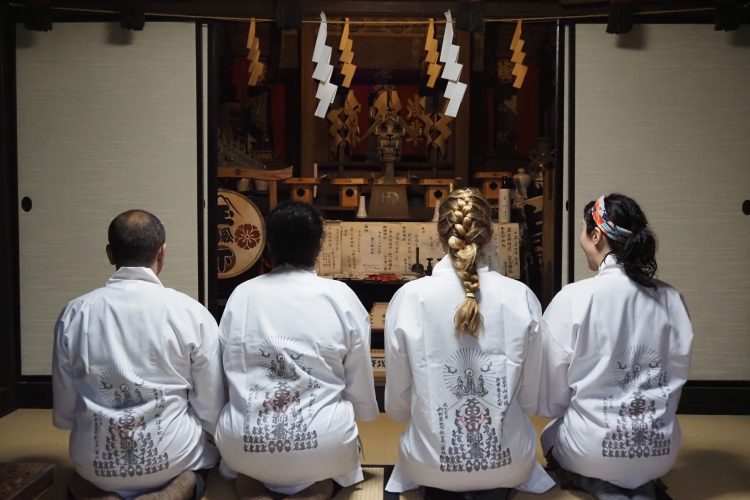
The Sacred Meaning Behind Japan’s Most Famous Mountain
Every summer, hundreds of thousands of people climb Mount Fuji. Most arrive with hiking boots, backpacks, and cameras. To many visitors, climbing Mount Fuji seems like a typical outdoor adventure. Yet throughout Japanese history, the ascent was understood very differently. For centuries, climbing Mount Fuji was not simply a hike. It was a pilgrimage.
So what makes the difference?
A Mountain That Was Worshipped Before It Was Climbed

Fuji Mandala (Color on Silk, Late 16th Century)
Today, people climb Mount Fuji because it is famous. Historically, Mount Fuji became famous because it was sacred.
Long before modern tourism existed, people believed the mountain was home to powerful spiritual forces. Its perfect shape, volcanic activity, and immense presence inspired both awe and reverence. Rather than seeing it as a challenge to conquer, people viewed it as a place to approach with humility. In this sense, Mount Fuji was never just a mountain. It was a sacred destination.
The Journey Began Before the Climb
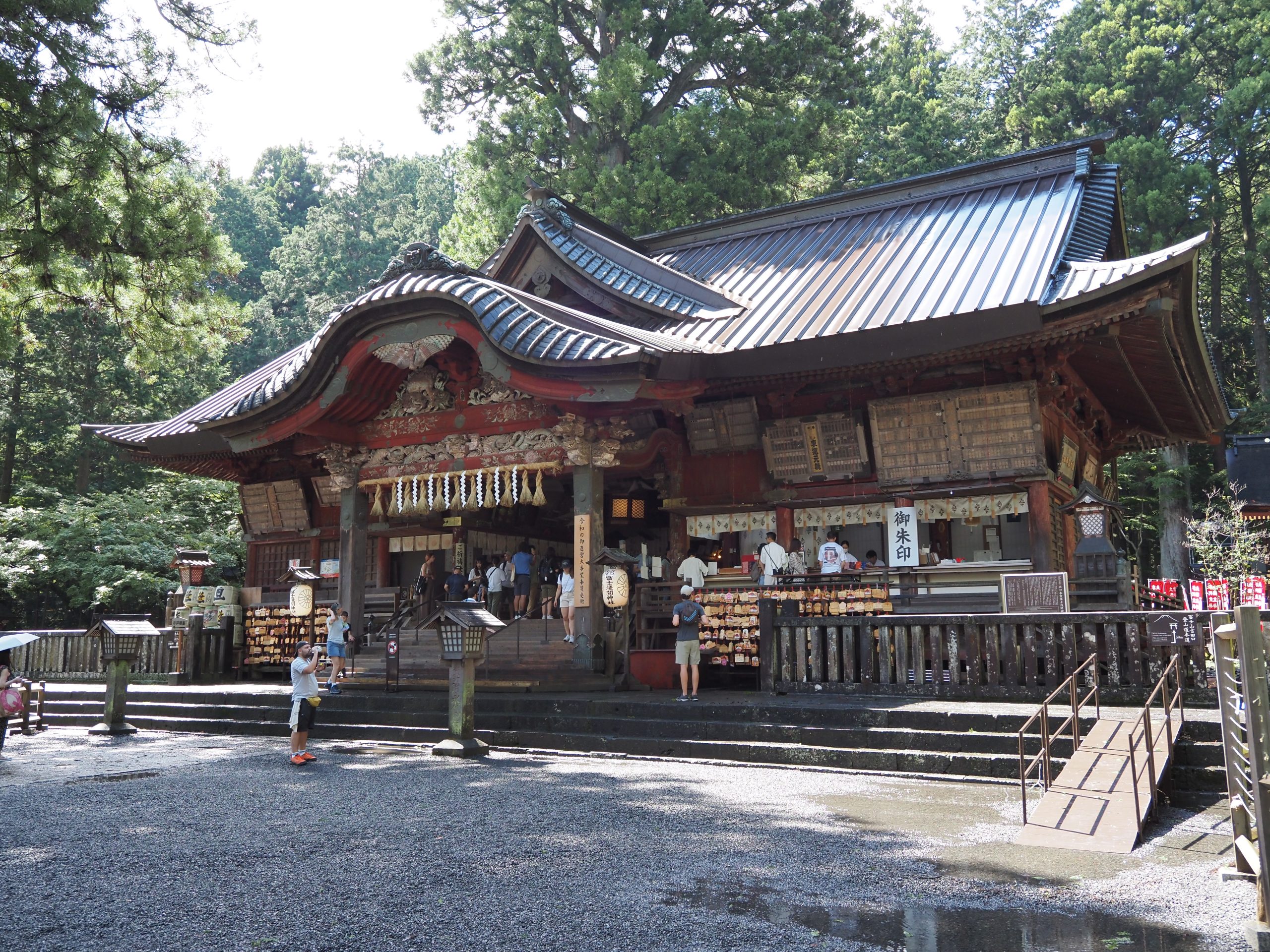
One of the biggest misconceptions is that the pilgrimage began at the trailhead. In reality, it started much earlier. Pilgrims often visited shrines such as Kitaguchi Hongu Fuji Sengen Shrine to pray and purify themselves before ascending.
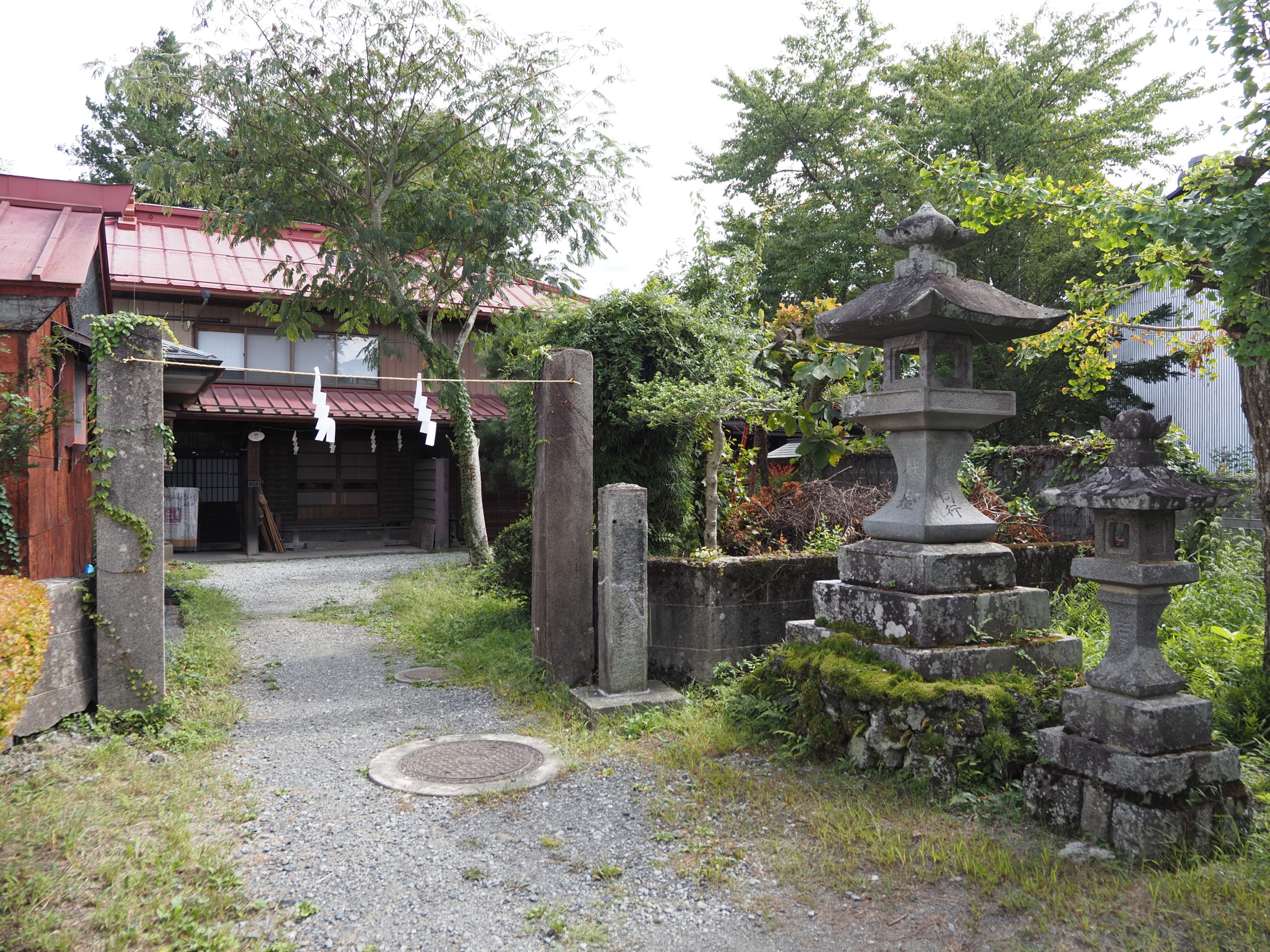
Many spent the night in traditional lodgings run by Oshi families, who guided pilgrims both spiritually and practically. If you’d like to learn more about these unique accommodations, see:
By the time pilgrims reached the mountain, their pilgrimage was already underway.
Purification and Rebirth
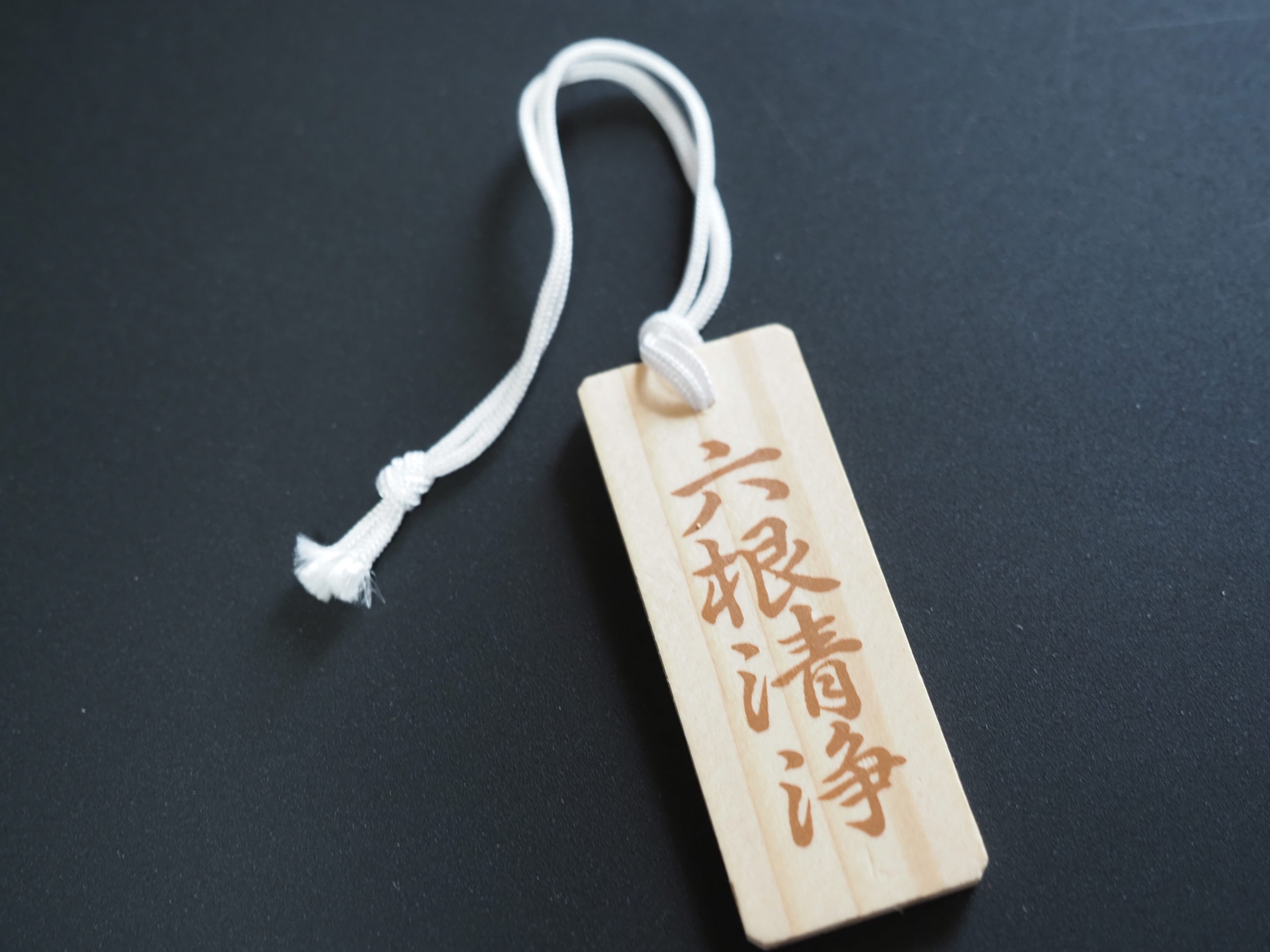
Modern climbers often focus on reaching the summit. For traditional pilgrims, however, the goal was very different. They climbed Mount Fuji to purify themselves, perform religious practice, and come closer to the divine.
The physical challenge of the climb was not merely an obstacle to overcome—it was part of the spiritual experience itself. This idea is closely connected to a concept known as Rokkon Shōjō (六根清浄), which means “purification of the six senses.”
According to traditional mountain ascetic practices and Fuji pilgrimage beliefs, the six senses are: sight, hearing, smell, taste, touch, and consciousness. Pilgrims believed that these senses became clouded by the distractions and impurities of everyday life.
As they climbed the sacred mountain, they often chanted:
“Rokkon Shōjō, Oyama wa Seiten…”
Literally meaning:
“Purify the six senses, and may the sacred mountain enjoy clear skies.”
The chant expressed both a wish for spiritual purification and for safe weather during the pilgrimage. The purpose was not simply to reach the summit. The purpose was to cleanse both body and mind through the spiritual power of the mountain. For many members of the Fuji-kō pilgrimage tradition, the climb symbolized something even deeper than purification. It represented the death of the old self and the birth of a new one.
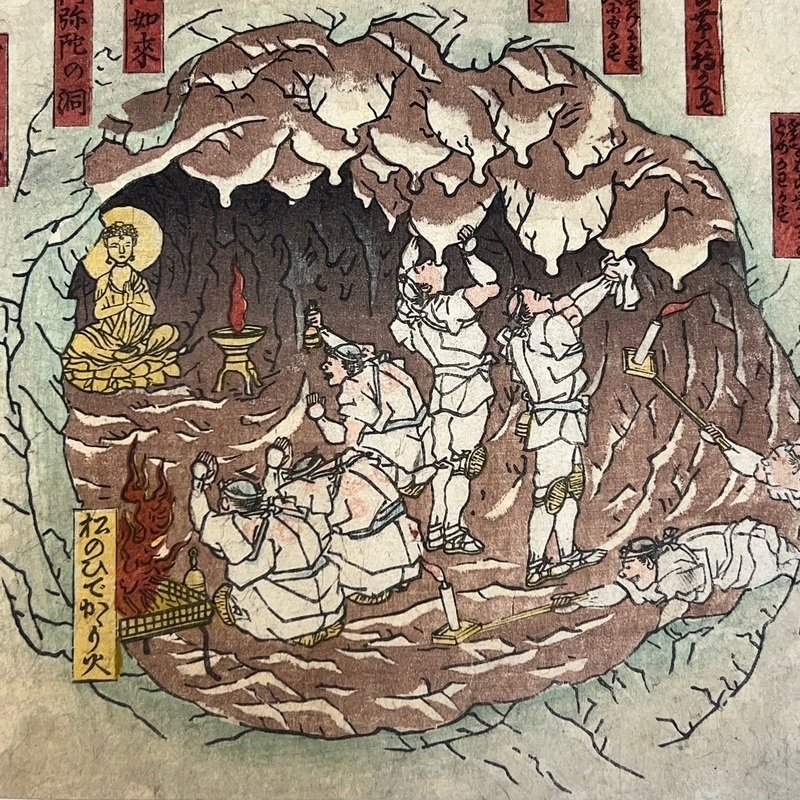
“Illustration of an Internal Pilgrimage Through Mount Fuji” by Gountei Sadahide (1858)
Within Fuji pilgrimage culture, ascending the mountain was understood as a journey from the ordinary world into a sacred realm. Some lava caves around Mount Fuji were used for purification rituals, symbolizing entry into the womb of the earth and emergence into renewed life. Seen from this perspective, climbing Mount Fuji was not simply an ascent. It was a symbolic journey of death and rebirth. The goal was not merely to stand on Japan’s highest peak. The goal was to return home transformed.
What is Fuji-kō?
Fuji-kō is a Japanese religious movement that emerged in the Edo period (1603-1868). It centered around the worship of Mount Fuji as a sacred mountain and involved pilgrimages and rituals. The movement was founded by Hasegawa Kakugyo, a Shinto priest who believed that Mount Fuji was the dwelling place of a divine spirit. He encouraged his followers to climb the mountain as a form of religious devotion and to perform rituals at its summit. Fujiko became particularly popular in the Kanto region of Japan, and at its peak, it had millions of followers. While the movement has declined in recent years, it still maintains a presence in Japan today.
From Zero Station to the Summit
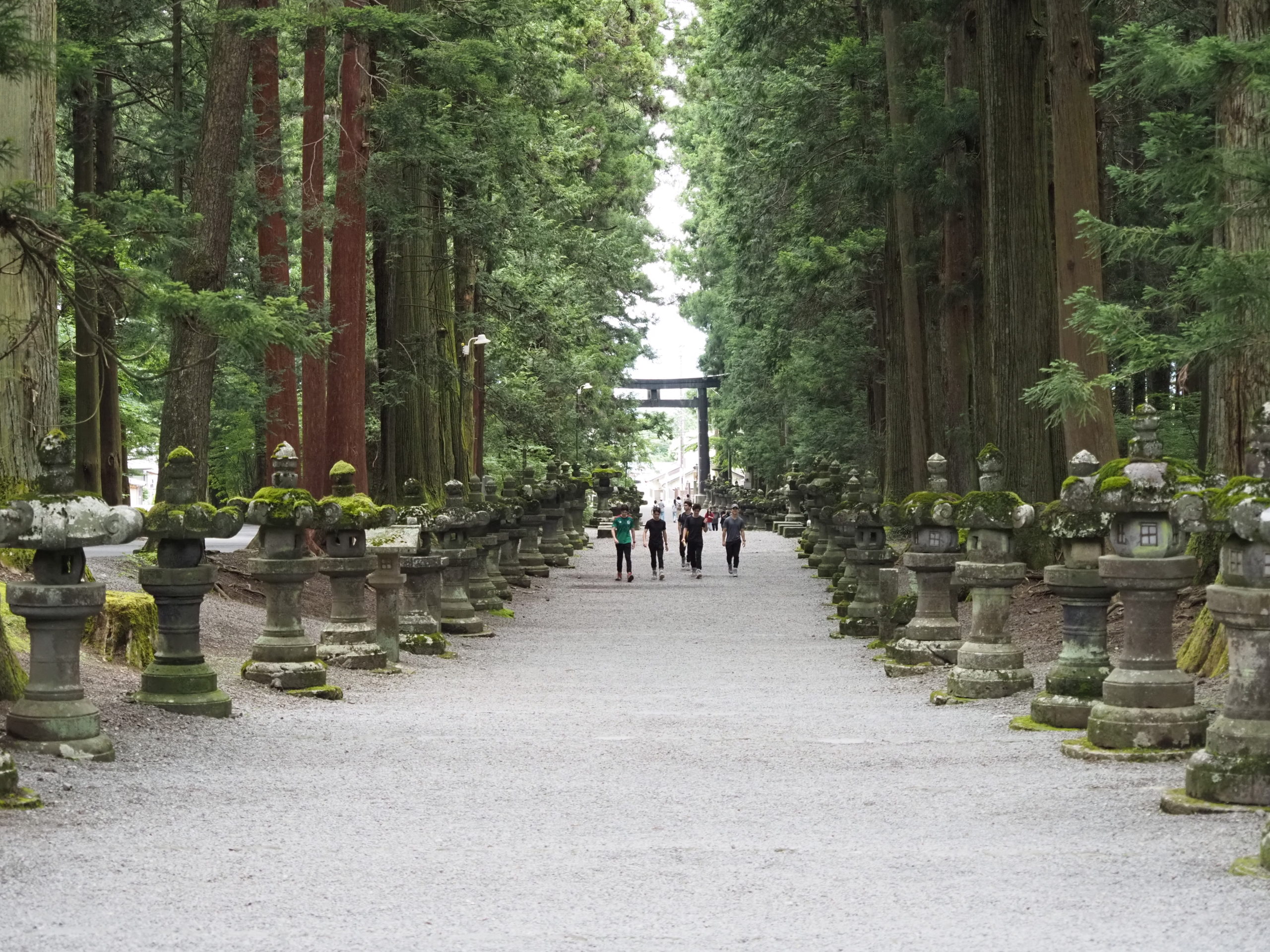
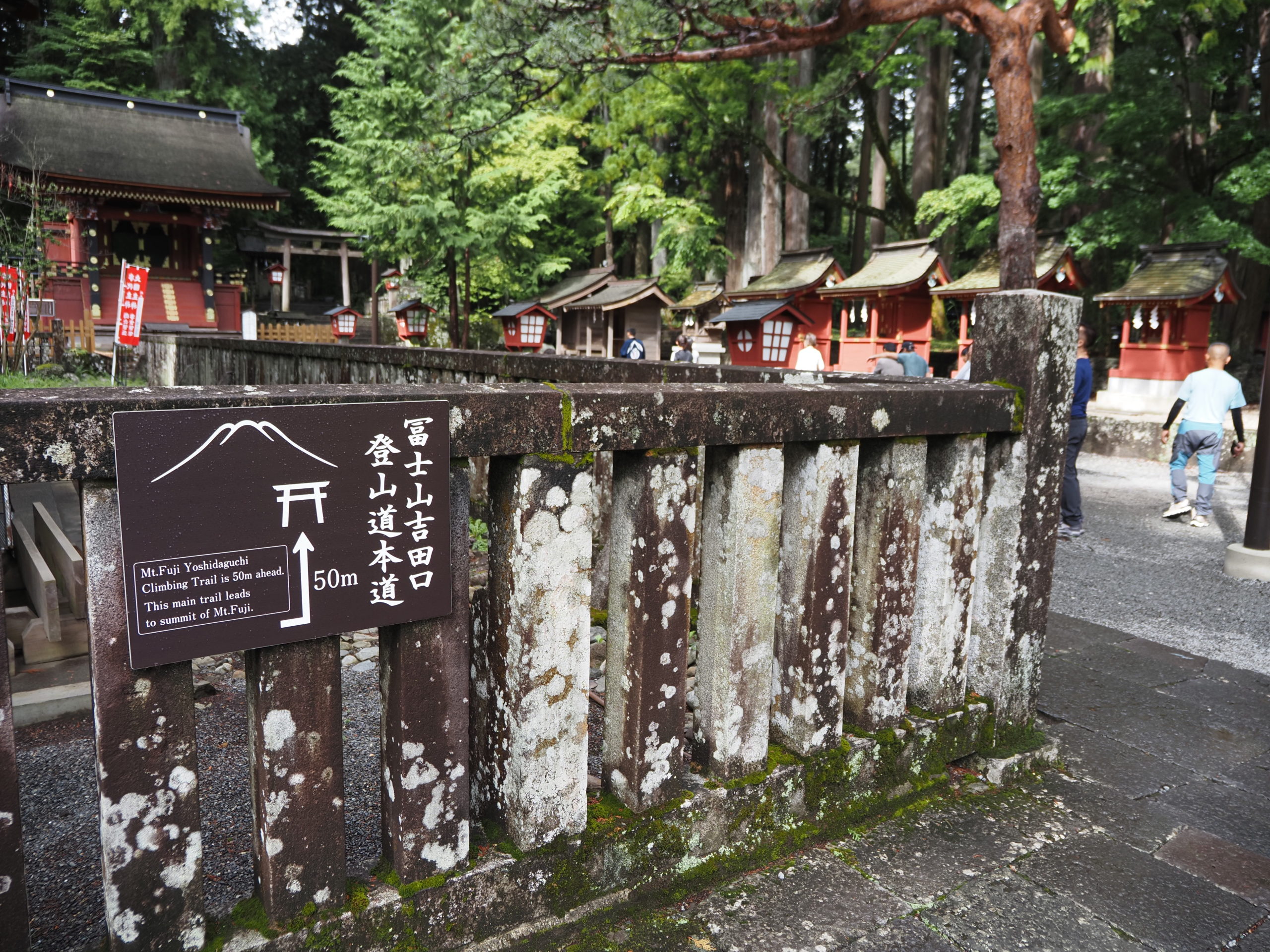
Today, most climbers begin at the Fifth Station. Historically, pilgrims often started from the foot of the mountain. This meant walking through villages, forests, shrines, and sacred sites before even reaching the main ascent. In other words, the pilgrimage route was much longer than the modern hiking trail.
The mountain was not isolated from the landscape. The entire region formed part of a sacred journey. What many hikers now complete in a day or two was once a multi-day experience that began far from the summit itself.
Experience Mount Fuji as a Pilgrim
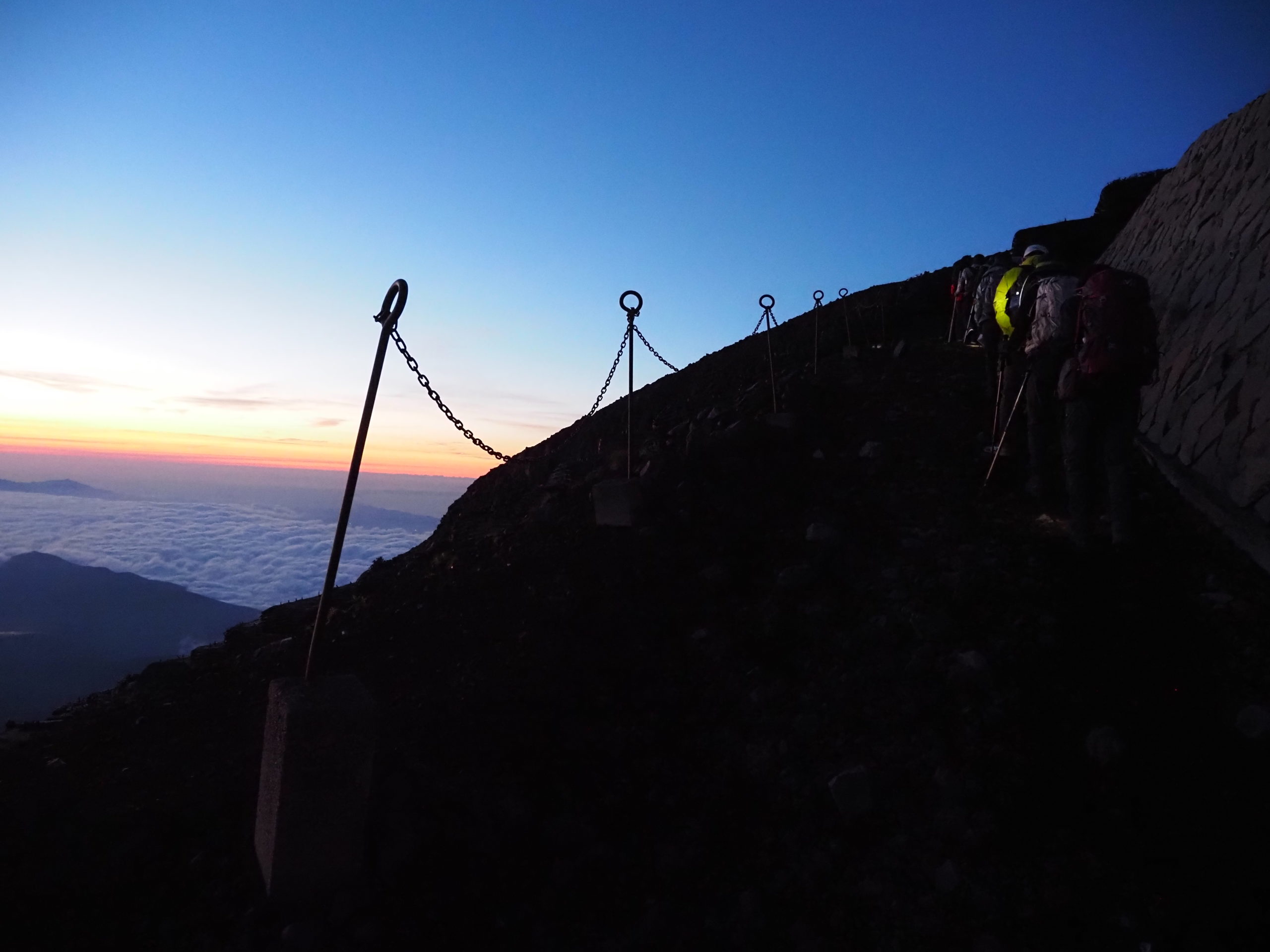
Today, most visitors experience Mount Fuji as a hiking destination. But for centuries, people experienced it very differently. They followed ancient pilgrimage routes, stayed in traditional Oshi lodgings, prayed at historic shrines, and climbed the mountain as part of a spiritual journey. Many of these traditions can still be experienced today.
If you would like to discover Mount Fuji beyond the typical climbing experience, consider joining our pilgrimage-style tour that explores the mountain’s cultural and religious heritage. Follow ancient pilgrimage routes, stay in historic accommodations, and experience Mount Fuji through the eyes of past generations.
→ Mt. Fuji 3-Day Pilgrimage Tour
The Mountain That Changes You
When people climb Mount Fuji today, they often focus on reaching the summit. Yet the mountain’s history tells a different story. For generations of pilgrims, the true purpose was not simply to stand on top of Japan’s highest peak, but to undertake a journey of purification, reflection, and renewal.
The climb was believed to cleanse the senses, leave behind the burdens of everyday life, and return the pilgrim spiritually transformed. Understanding this history changes the way we see Mount Fuji. It is not only a mountain to climb. It is a sacred landscape that has guided pilgrims for centuries—and continues to inspire travelers from around the world today. A hike ends when you reach the top. A pilgrimage begins with the hope that you will return with a different perspective.