Discover valuable insights and practical tips for climbing Mt. Fuji, including cultural experiences.
This blog is based on the local knowledge of our expert guides to enhance your journey!
Discover valuable insights and practical tips for climbing Mt. Fuji, including cultural experiences. This blog is based on the local knowledge of our expert guides to enhance your journey!
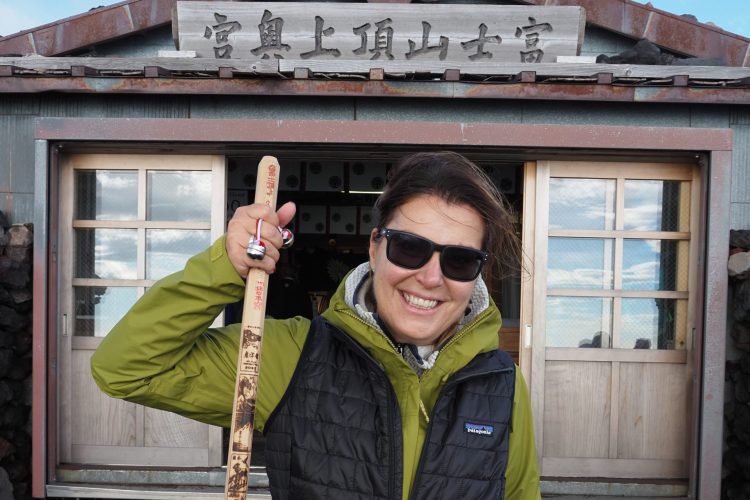
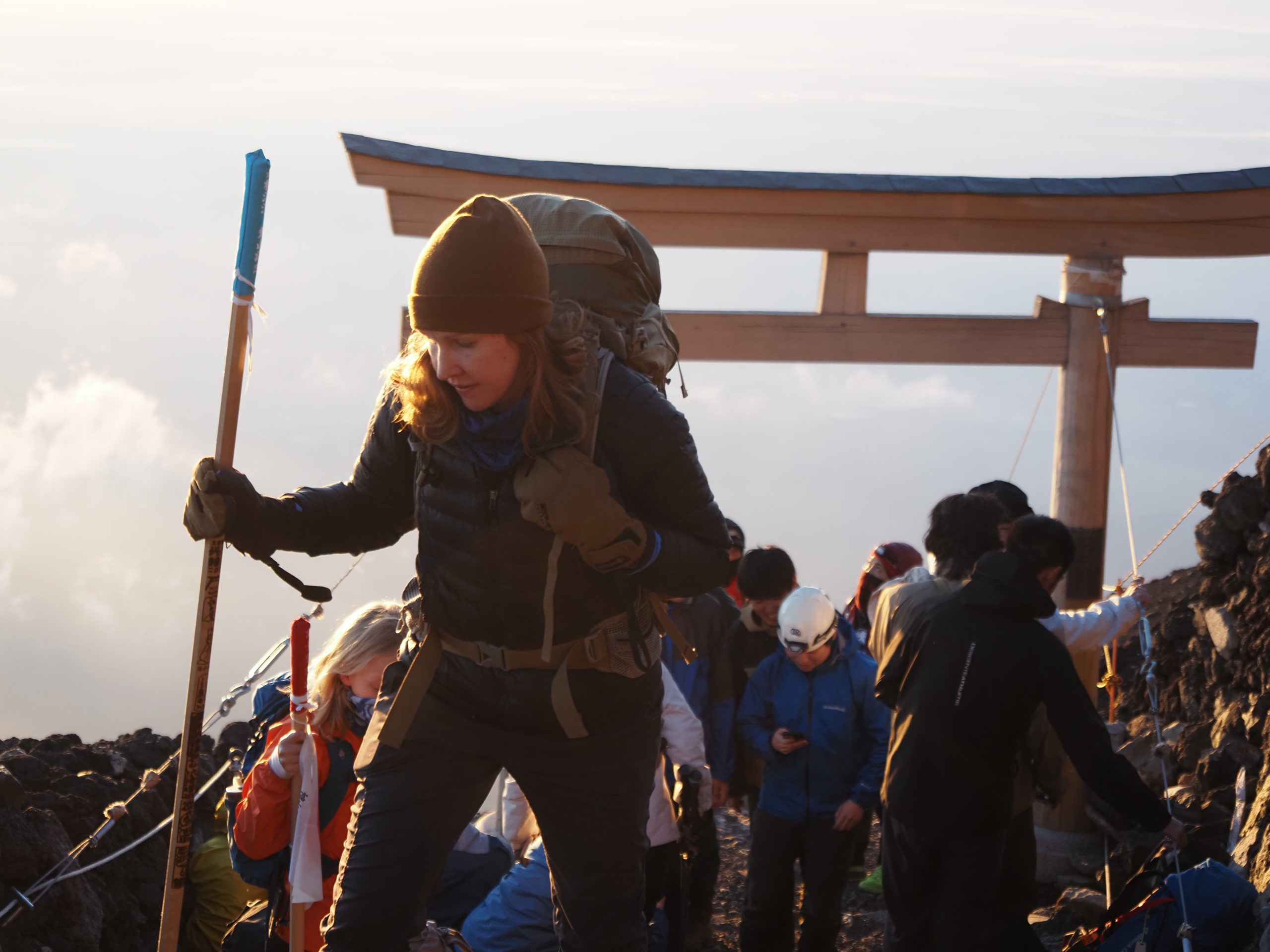
When climbing Mount Fuji, you’ll notice many hikers carrying a simple wooden stick.
At first glance, it looks like an ordinary walking staff. But this object, known as a Kongō-zue, is much more than hiking equipment. It is a tool, a souvenir, and a centuries-old cultural tradition—all in one.
What is a Kongō-zue?
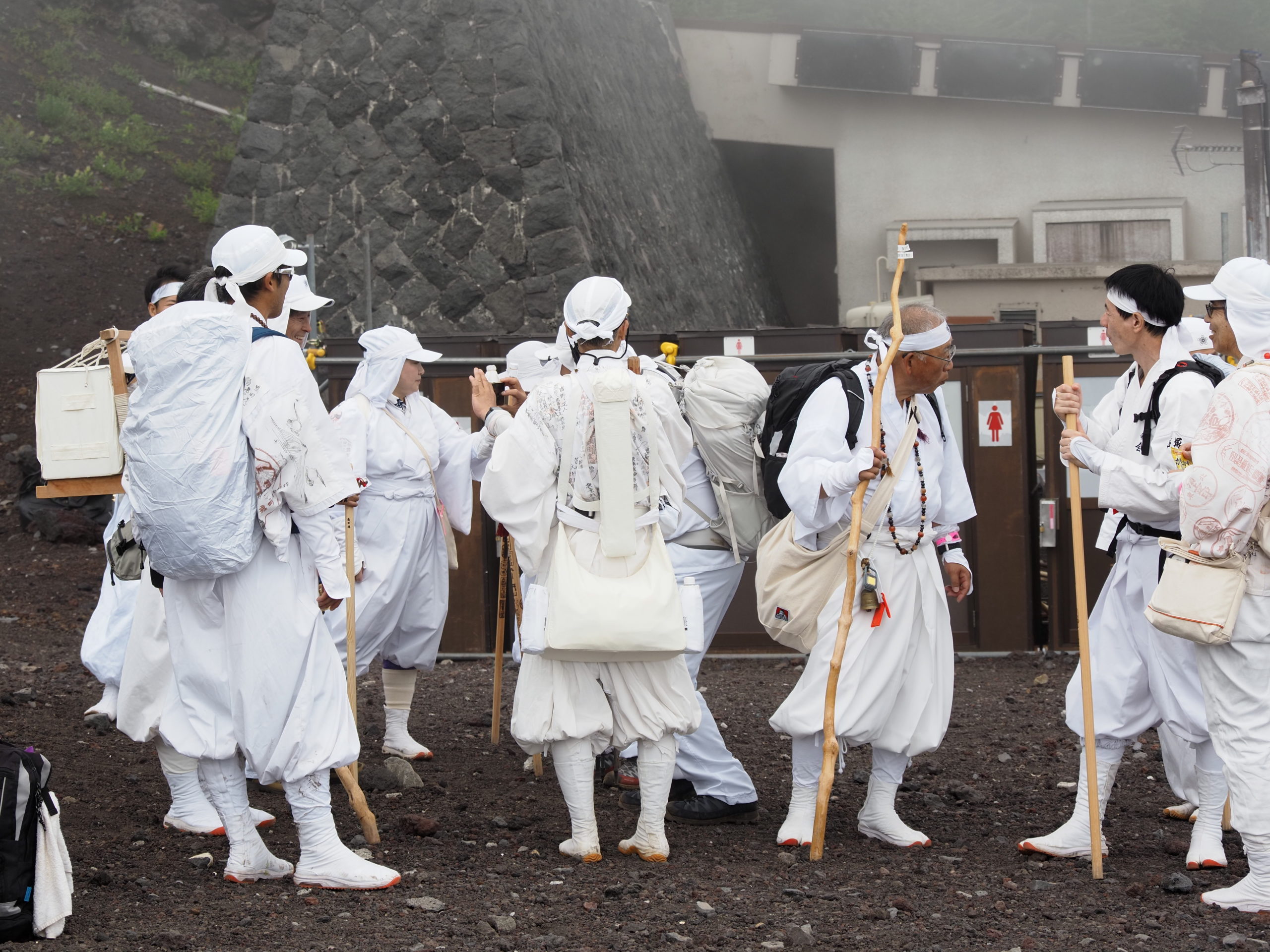
A Kongō-zue is a wooden climbing staff traditionally used by pilgrims ascending Mount Fuji.
Historically, it was carried by religious practitioners and members of Fuji pilgrimage groups. Today, it remains a popular item for modern climbers.
While it helps with balance and reduces strain—especially during descent—its deeper meaning lies in what happens during the climb.
A Stamp for Every Step: The Branding Tradition
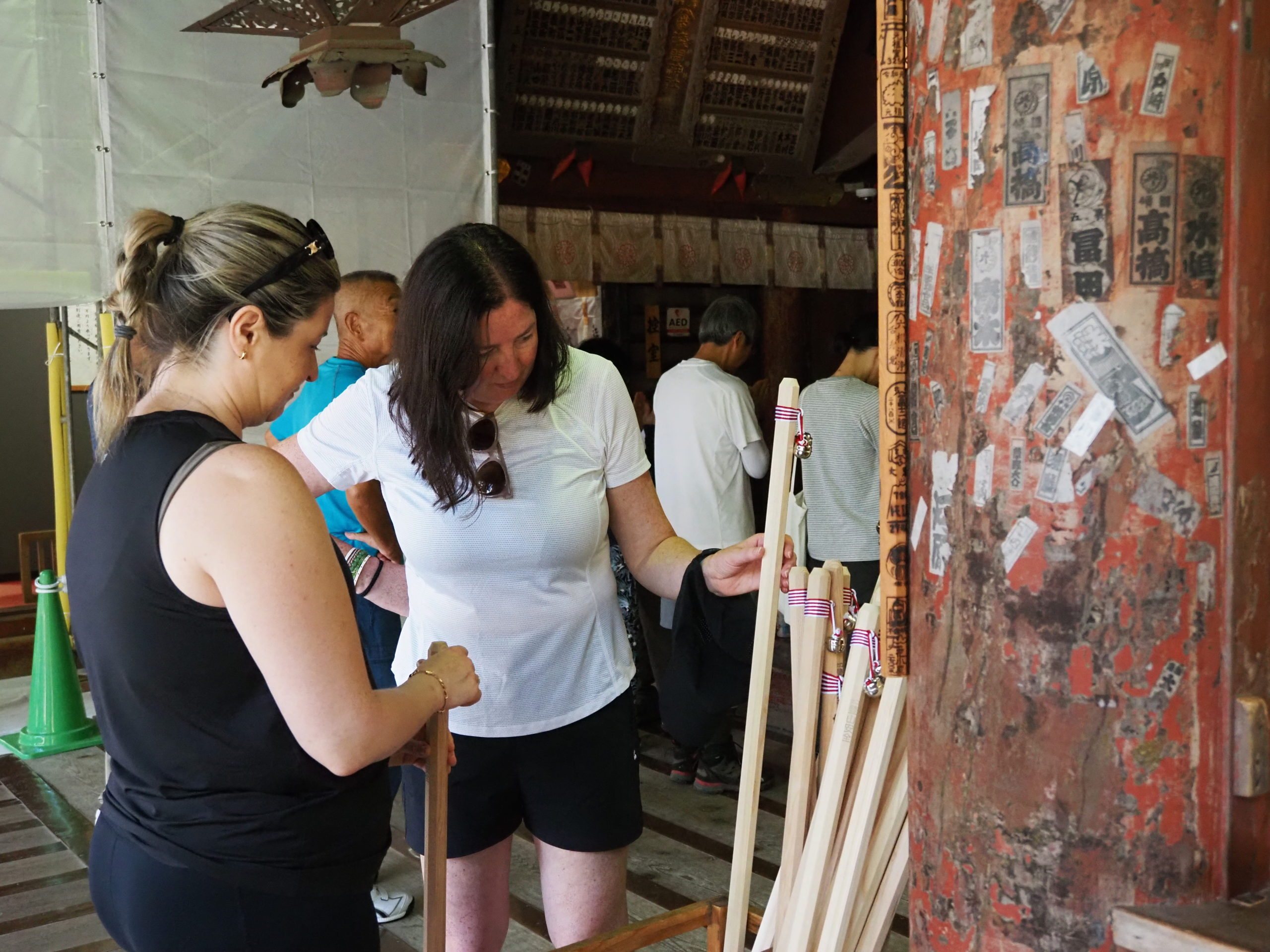
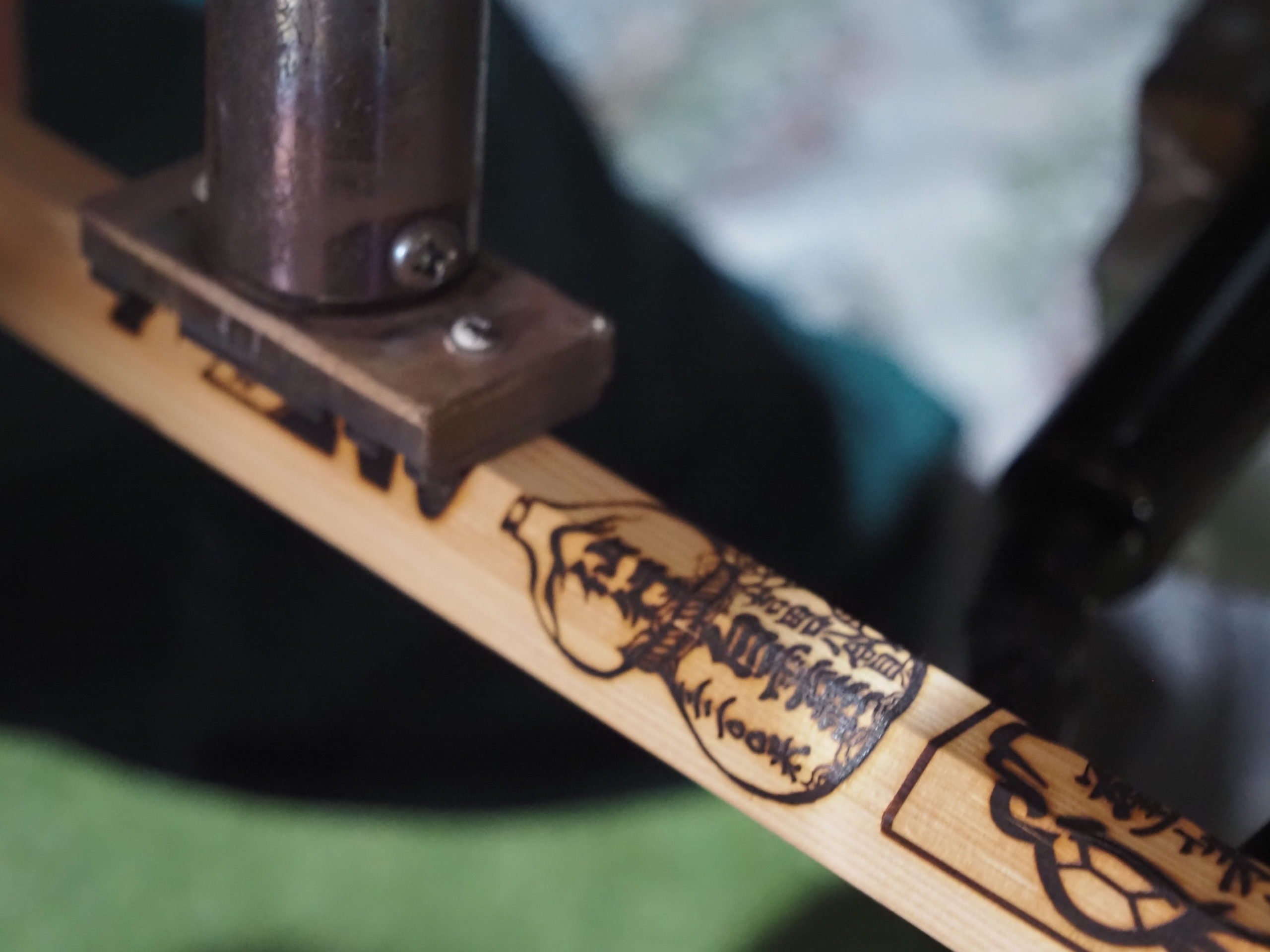
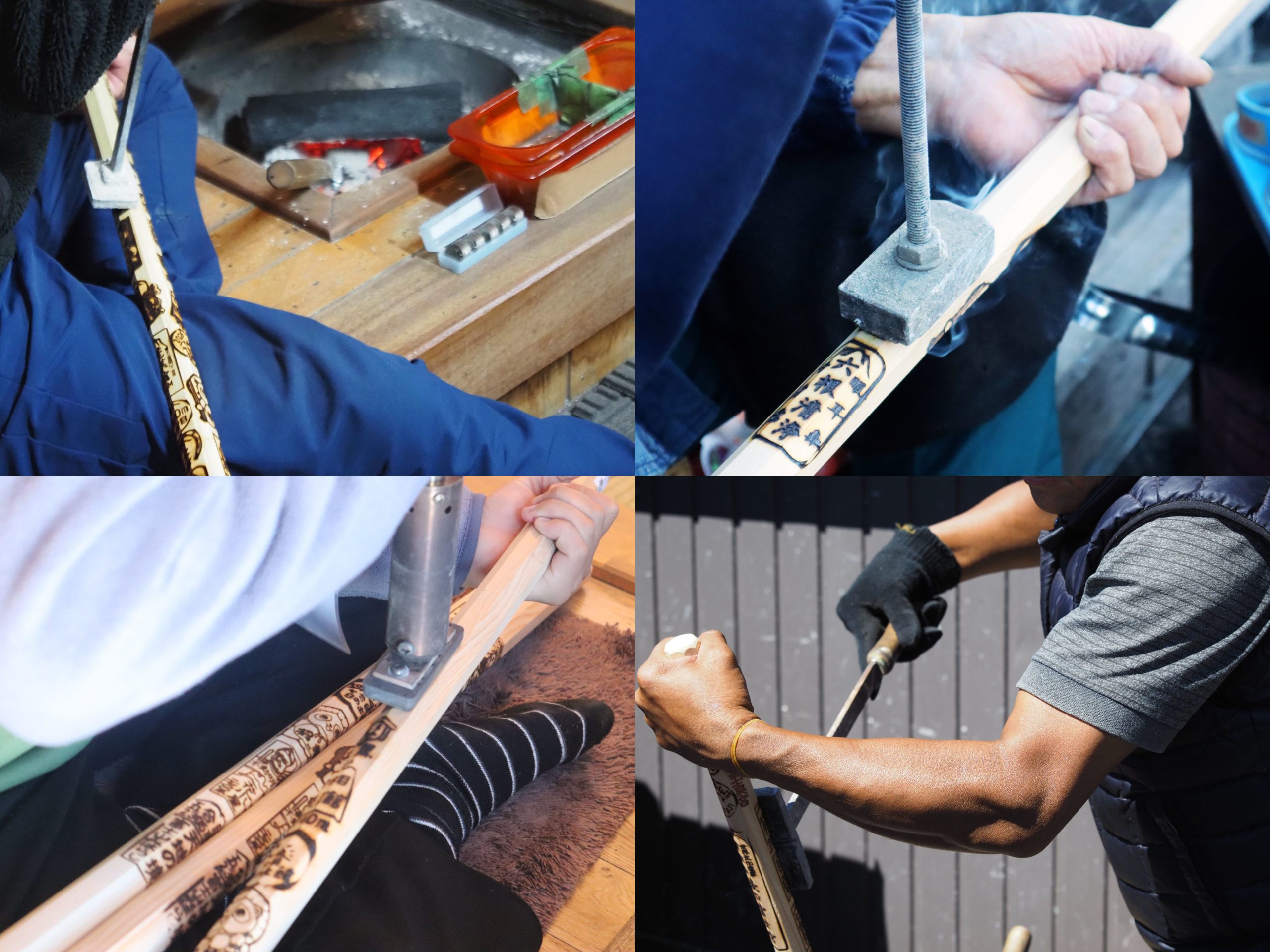
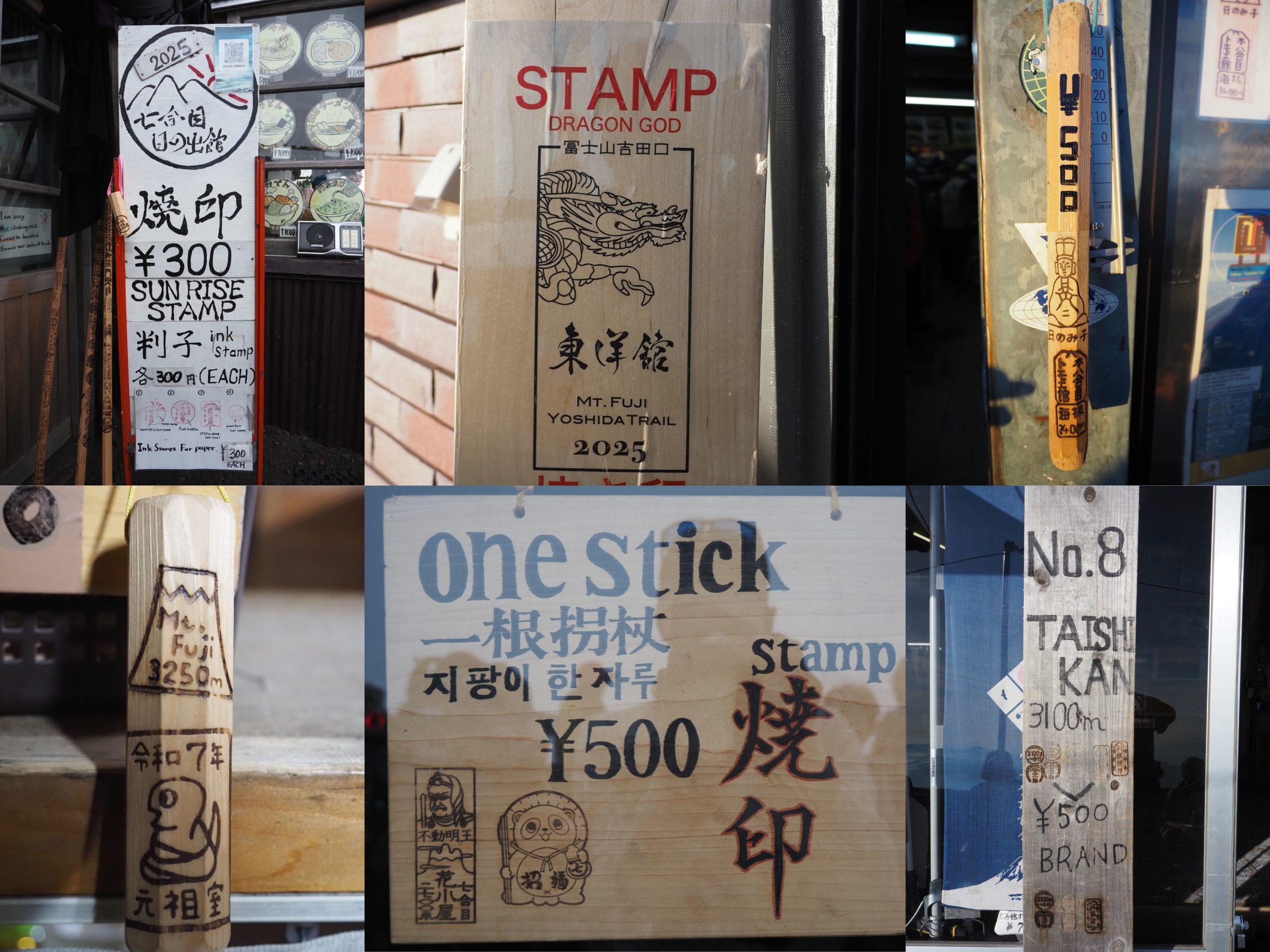
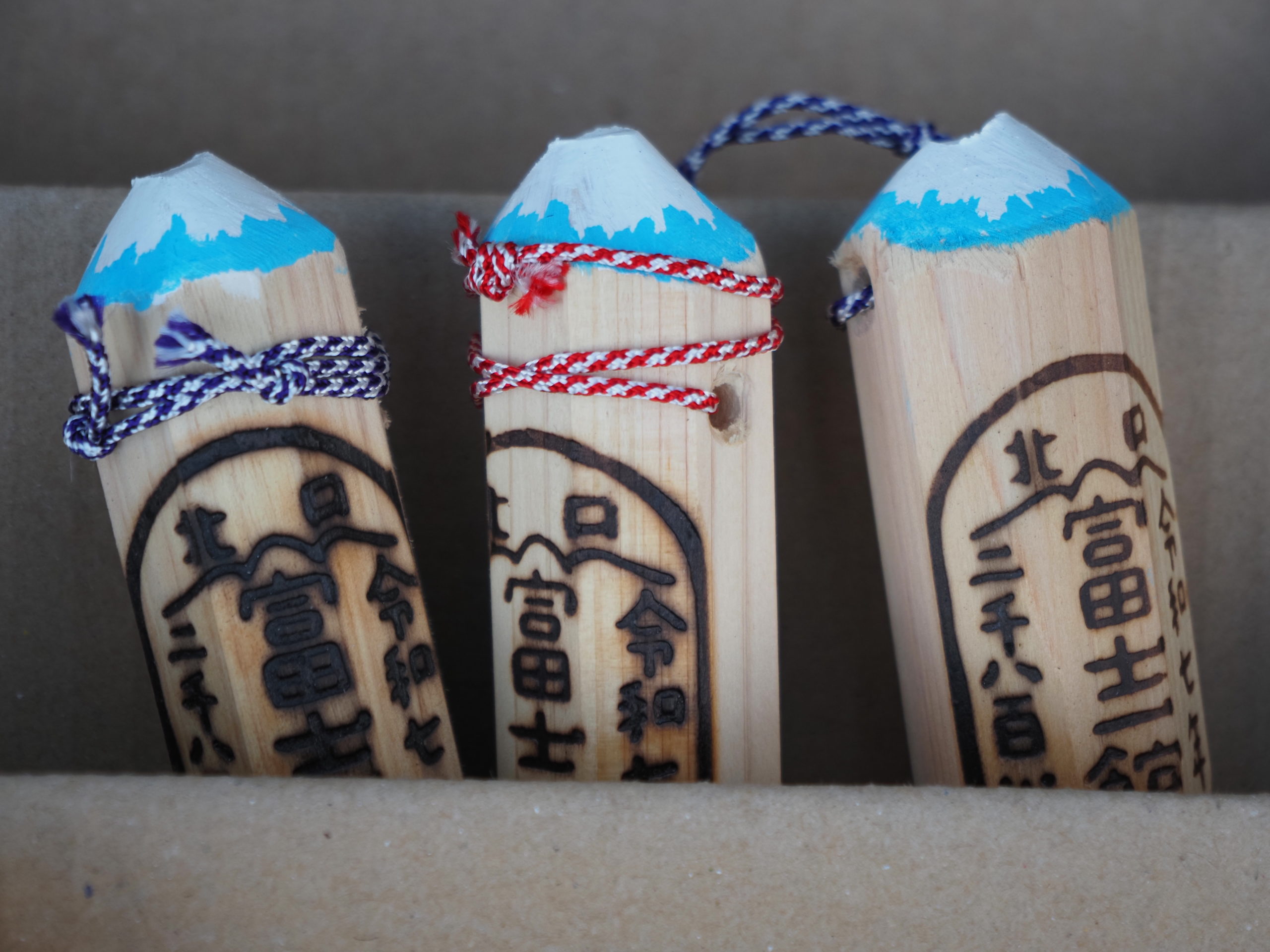
As you climb trails, you will encounter mountain huts along the way. At each hut, you can have your staff branded with a hot iron stamp.
Each stamp includes:
the name of the station
altitude information
unique symbols or calligraphy
These marks are burned into the wood, creating a permanent record of your journey.
A Visual Story of the Climb
By the time you reach the summit, your Kongō-zue can be covered with stamps from multiple stations.
Each mark represents a moment:
where you rested
how far you climbed
how close you came to the summit
This transforms the staff into something far more meaningful than a souvenir. It becomes a visual timeline of your climb.
One of the most fascinating aspects of this tradition is that no two stamps are the same.
Each mountain hut has its own distinctive branding style:
different fonts and calligraphy
unique symbols
varying layouts
In fact, the designs vary completely from one hut to another.
Some huts even offer:
zodiac-themed limited-edition stamps
stamps engraved with elevation
special collaboration designs
This means your Kongō-zue becomes a one-of-a-kind artifact—something you can never recreate.
The “True Proof” at the Summit
At the summit of Mount Fuji, the experience changes slightly.
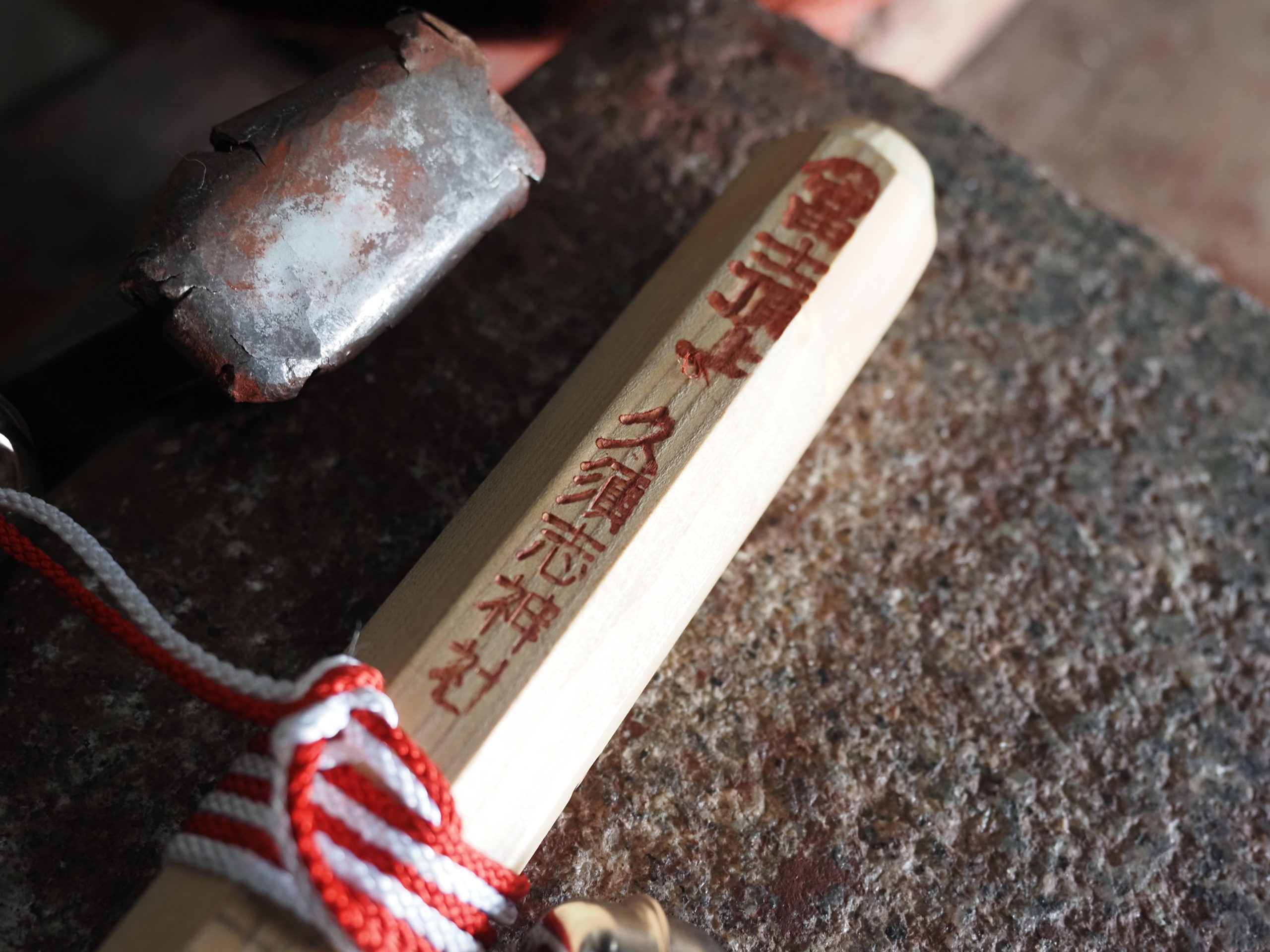
At places like Kusushi Shrine and Fujisan Hongu Sengen Taisha Okumiya, instead of a burned brand, you can receive a shuin (ink stamp).
Unlike the branding marks, this is applied with ink and a brush. For many climbers, this serves as the ultimate proof of reaching the summit.
More Than Just a Souvenir
Although many climbers buy the staff as a keepsake, it also serves practical purposes.
It helps maintain balance on steep trails
It reduces pressure on the knees during descent
It provides support on loose volcanic terrain
In other words, it is both a functional gear and a cultural artifact.
A Tradition Rooted in Pilgrimage
The Kongō-zue originates from religious pilgrimage practices in Japan. Long before Mount Fuji became a hiking destination, climbers were pilgrims seeking spiritual meaning. Carrying a staff symbolized their journey—both physically and spiritually.
Today, climbers from all over the world participate in this tradition. Even without knowing its full history, they are continuing a ritual that dates back centuries. The Kongō-zue connects modern travelers with the spiritual past of Mount Fuji in a simple but powerful way.
In most cases, you can bring the staff home on a flight—but it’s always best to check with your airline in advance.
If you’re interested in how these pilgrimages were organized, you can learn more here:
Each branding stamp typically costs around 300–500 yen. To collect a full set, climbers may need to stop at around 17 mountain huts along the Yoshida Trail. Some huts even offer multiple stamp variations.
While the total cost can add up, many climbers consider it worthwhile—because each mark represents a real achievement.
For those concerned about carrying a full-sized staff, some huts also sell:
mini-sized sticks
compact souvenir versions
After the Climb: Creative Ways to Reuse a Kongō-zue
After returning home, many people wonder what to do with their stuff.
While some simply keep it as a souvenir, others find creative uses:
displaying it at the entrance as a protective charm
using it as a decoration frame
For enthusiasts, the staff becomes part of daily life.
A Living Artifact
Over time, the meaning of these staff can grow even deeper. Some mountain huts have stopped using certain stamps, while others have introduced new designs. This means the stamps you collect today could become rare or even valuable in the future.
Experienced guides often meet climbers carrying staffs used by their parents decades earlier—some marked with designs that no longer exist. Each Kongō-zue becomes a living record across generations.
Climbing Mount Fuji is not just about reaching the top. It is about the journey—and how you remember it. A Kongō-zue captures that journey in a way that photos alone cannot. Each mark, each burn, each step—it all becomes part of your story.