Japan Exploration Tours JIN

MT. FUJI CLIMBING TOURS
WITH OFFICIAL LOCAL GUIDES

 official summer season running from official summer season running from official summer season running fromOOfficial Summer Season: July 1 – September 10, 2027

MT. FUJI CLIMBING TOURS
WITH OFFICIAL LOCAL GUIDES

Official Summer Season: July 1 – September 10, 2027

INQUIRY

OUR VISION

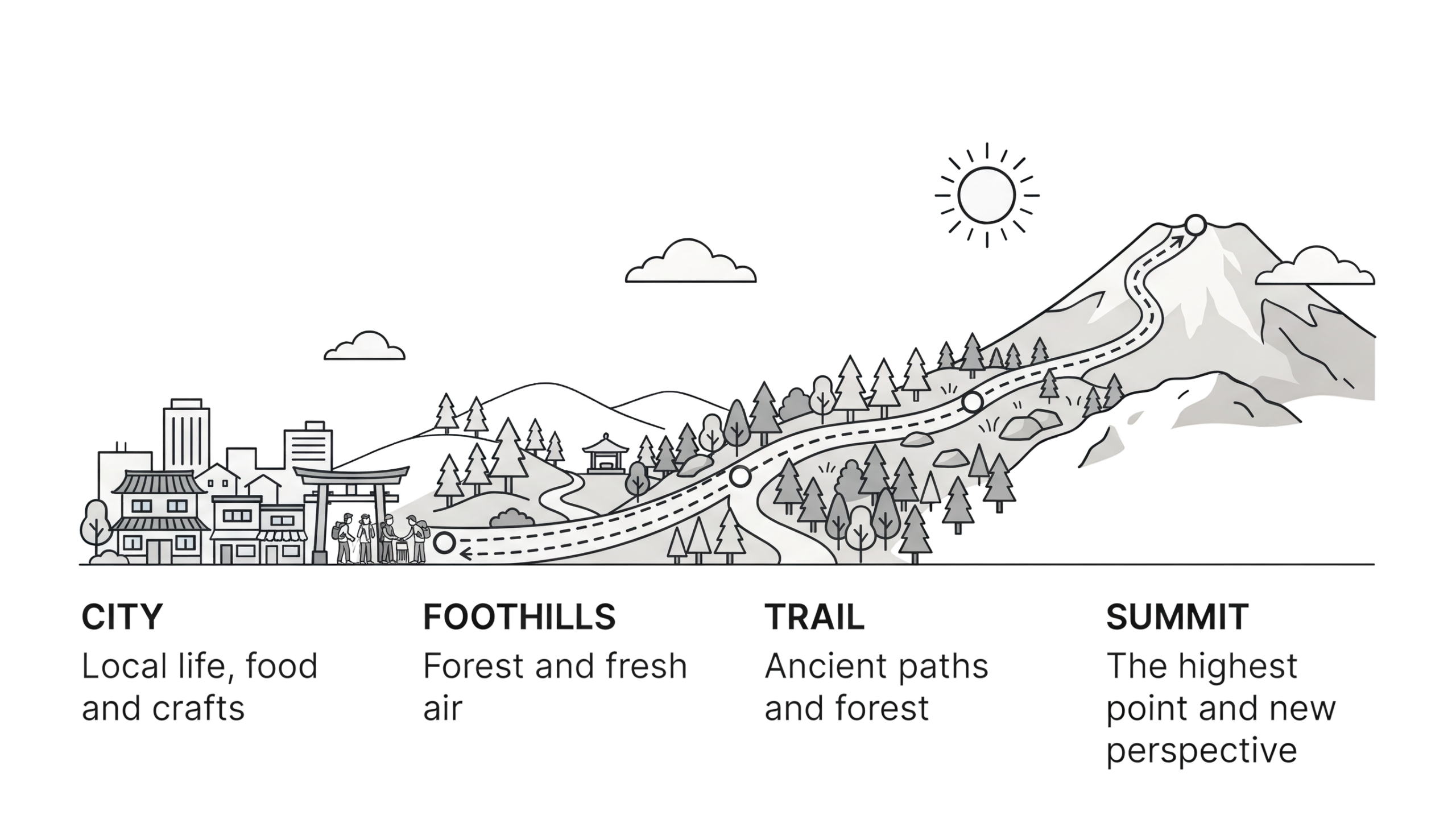
City to Summit Mt. Fuji Experience

More than a destination.
It's a deeper way to experience Mt. Fuji.

We connect people and the mountain through its natural beauty, rich history, and living culture. From the city to the summit — and back again.

Learn More
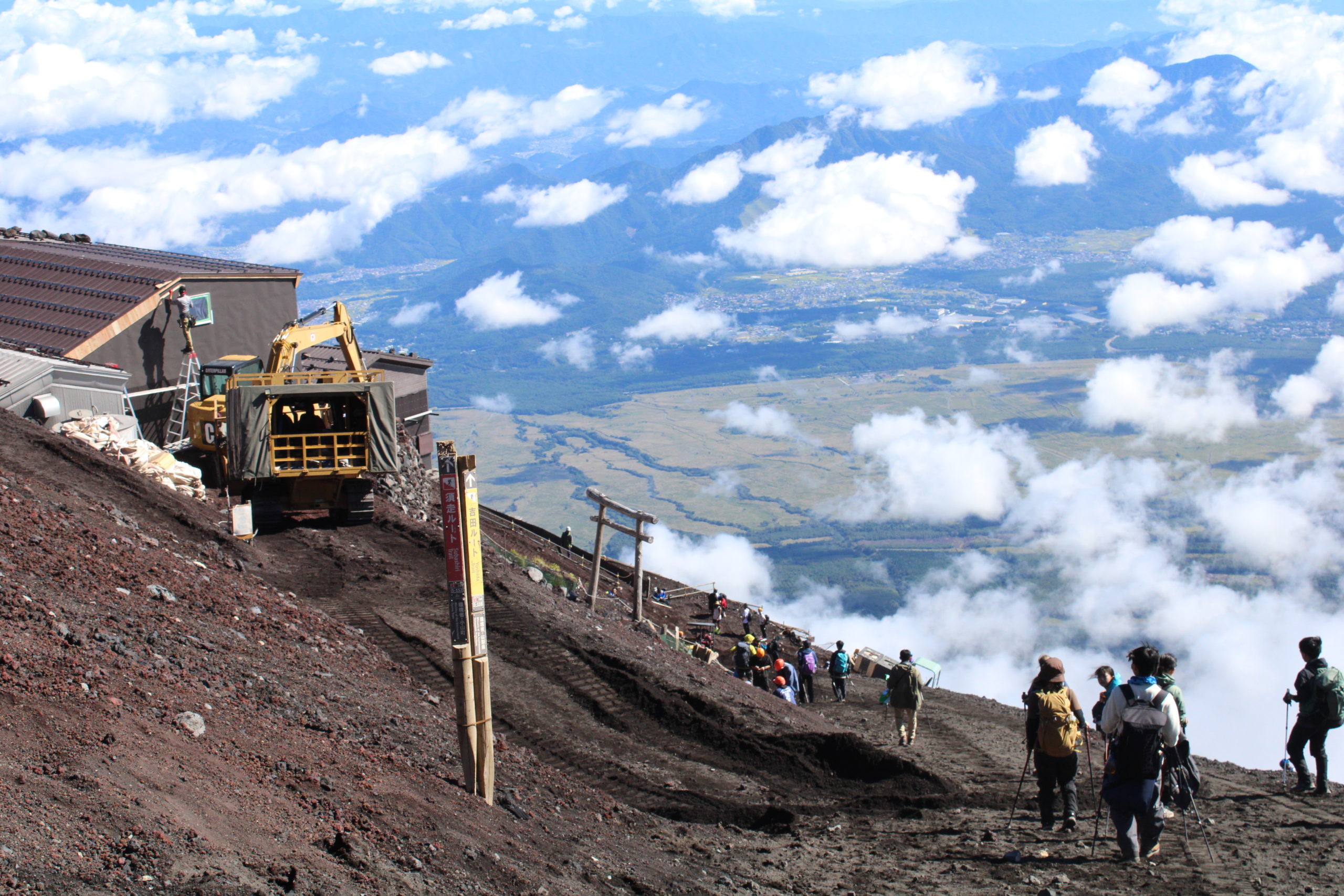
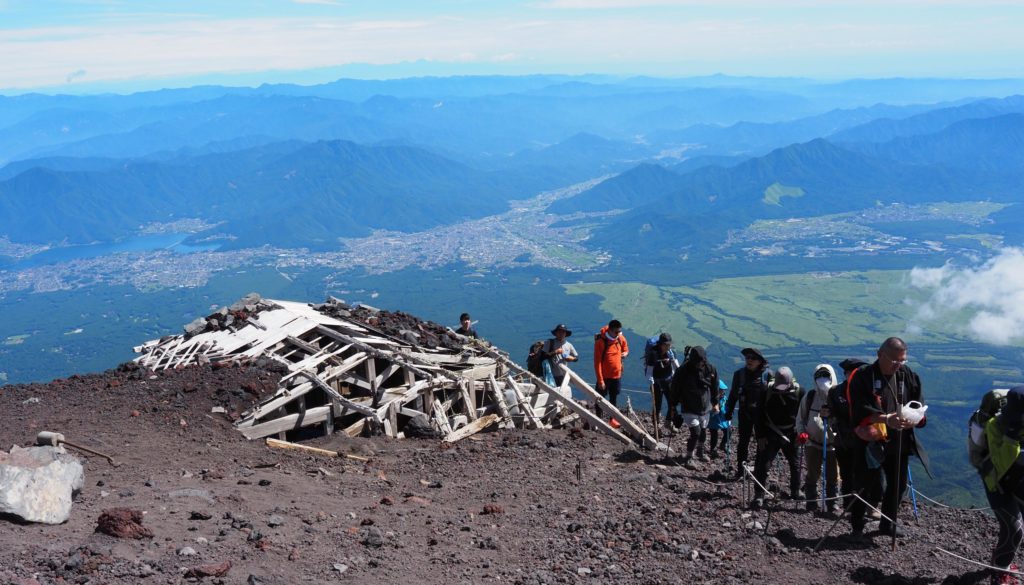
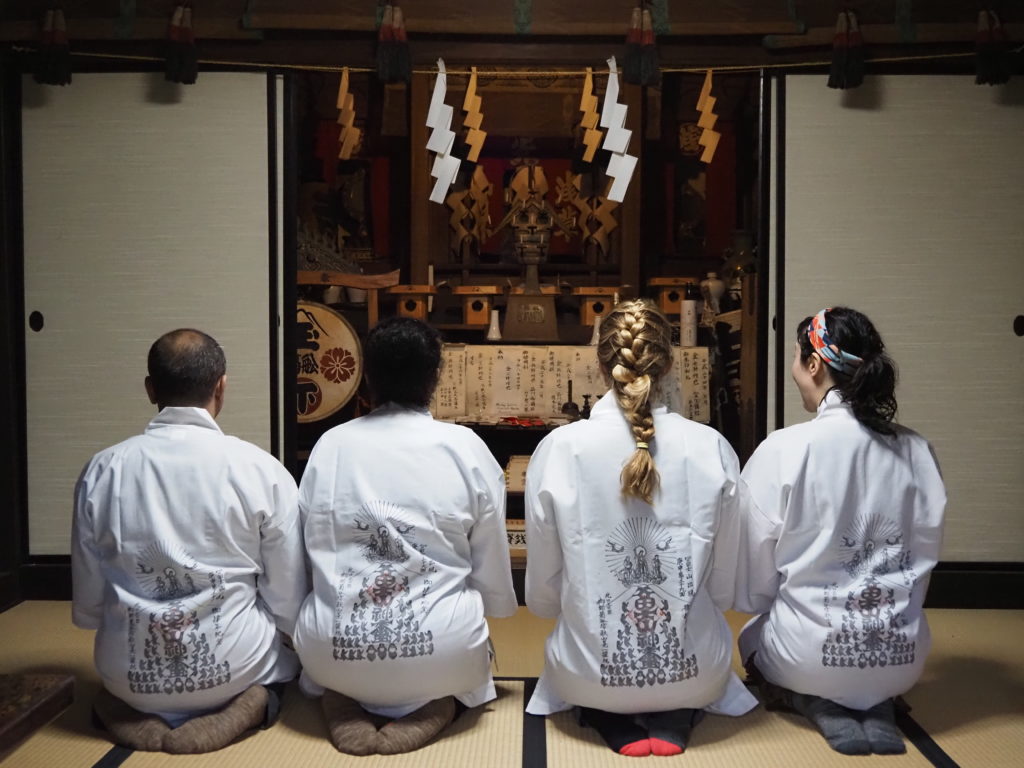
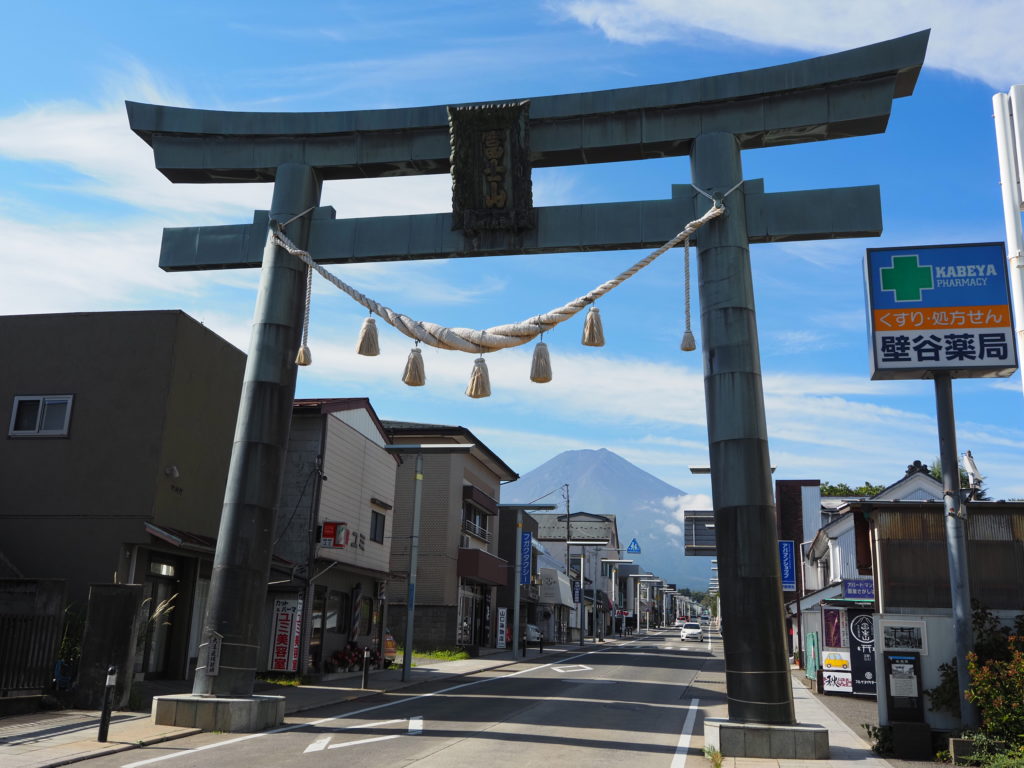
City to Summit Mt. Fuji Experience: City, Foothills, Trail, and Summit
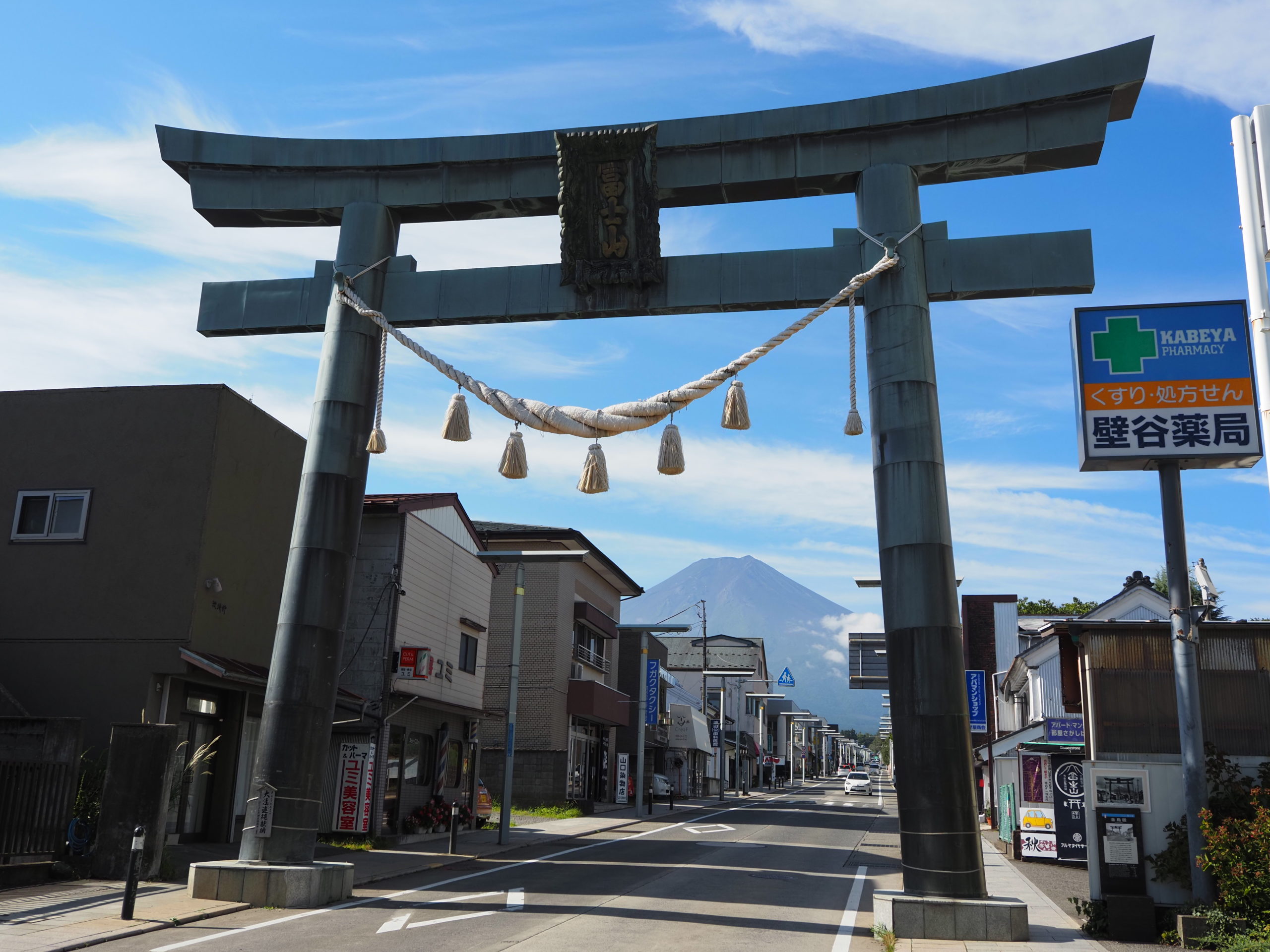
Torii gate and street view leading toward Mt. Fuji in Fujiyoshida
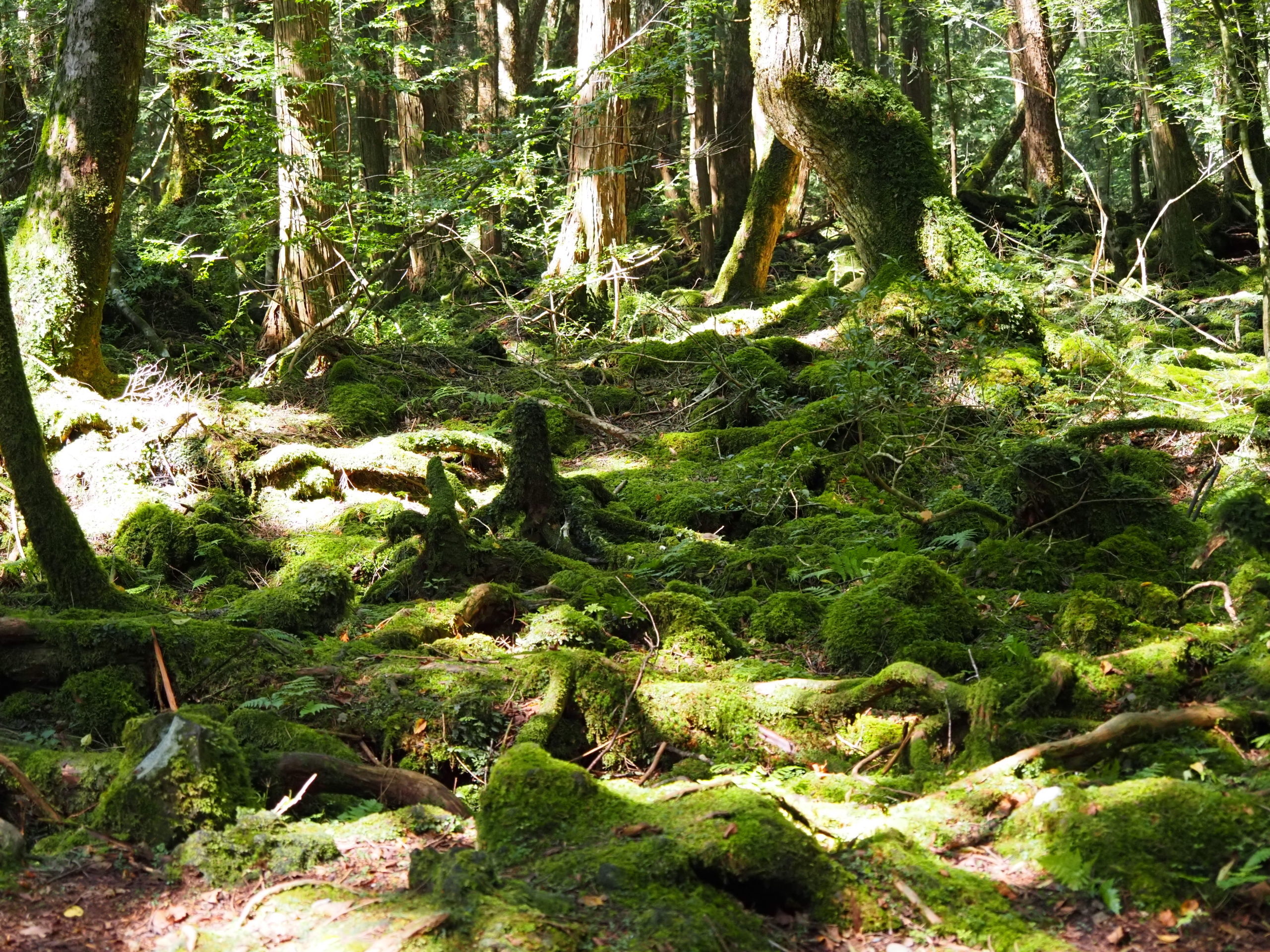
Foothills landscape on the approach to Mt. Fuji
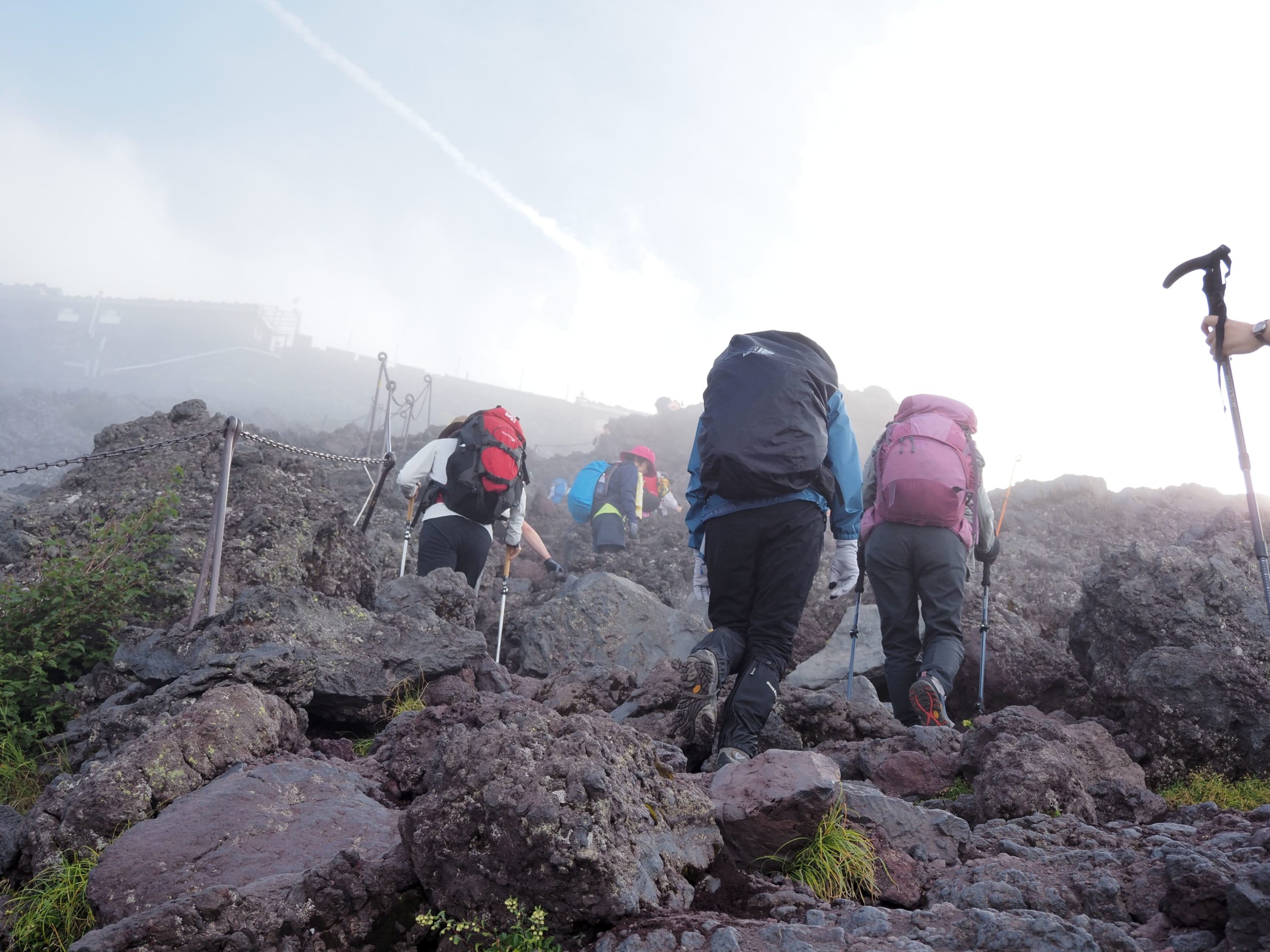
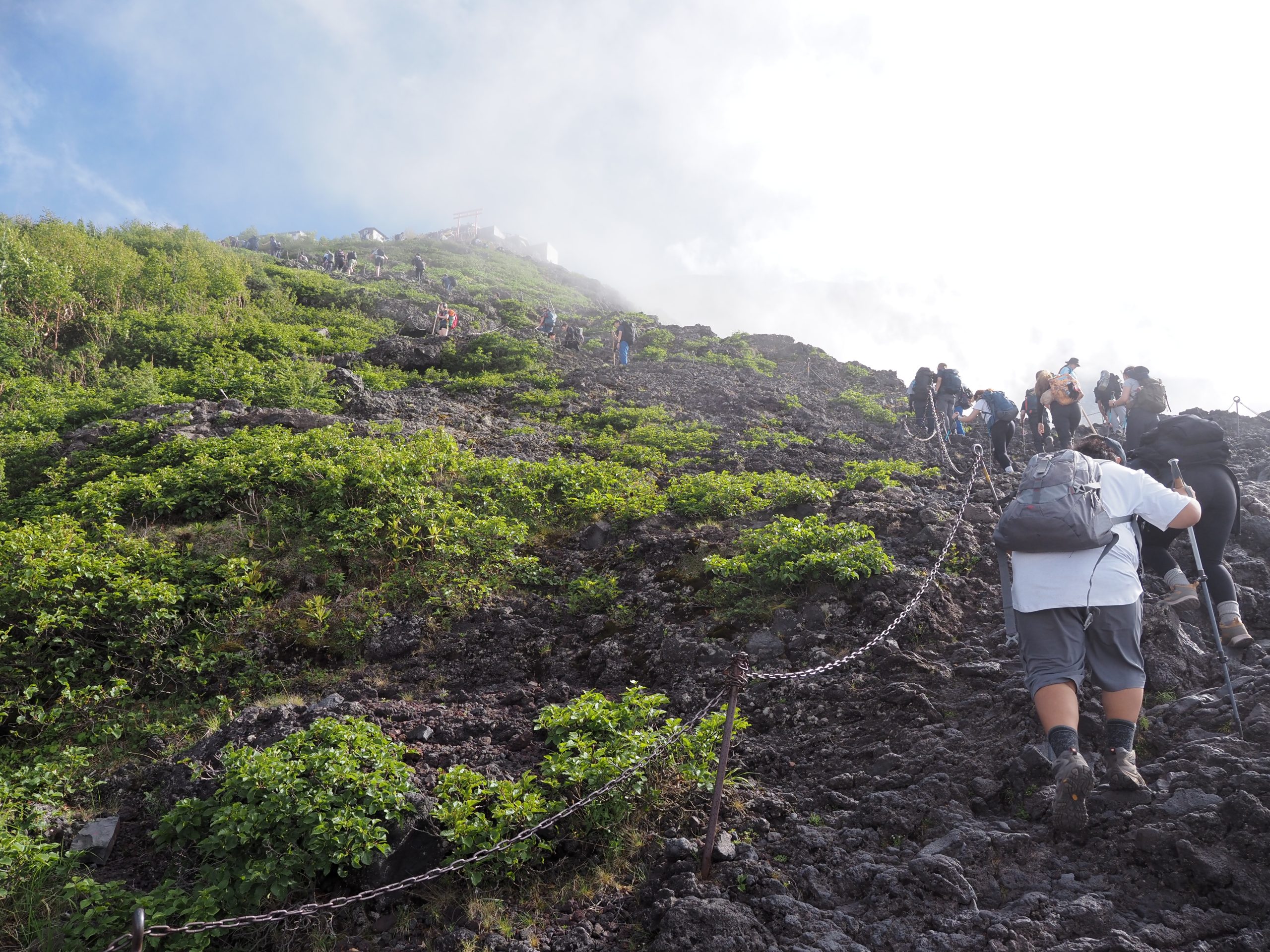
Rocky terrain on Mt. Fuji

WHY CLIMB WITH JIN

Tour Features

“Safety first.
800+ summits.
10+ years of guiding.”

Up to 8 Guests per Guide / All-inclusive / Local Expertise

We combine certified local expertise, uncompromised safety standards, and deep cultural connections to create transformative journeys on Mt. Fuji.

Flexible Private Tour with Official Mt. Fuji Guides

GUIDING & SAFETY

Flexible Private Tour with Official Mt. Fuji Guides

Our officially certified multilingual guides—each with over 10 years and 150+ climbs of Mt. Fuji—offer both tailored private tours and intimate small-group shared journeys. Fluent in Japanese, English, and Spanish, they prioritize safety, pacing, and daily mountain weather assessment every step of the way.

800+ Summits and Small-Group Ratio Up to 8 Guests

TRUST & RATIO

800+ Summits & Small-Group Ratio (Up to 8 Guests)

With over 800 successful summits and more than a decade of guiding experience, we strictly limit each guide to a maximum of 8 guests across both private and shared tours. This low ratio ensures personal attention, proactive safety management, and steady pacing tailored to every climber.

All-inclusive and Hospitality

SEAMLESS SUPPORT

All-inclusive & Hospitality

JIN takes care of the logistics so you can focus on the mountain and the experience. Our comprehensive Mt. Fuji guided tour packages are tailored to your individual needs, including pre-climb online preparation, transportation, lodging, meals, rental equipment, and more.

More Than Mountain Climbing

CULTURE & HERITAGE

More Than Mountain Climbing

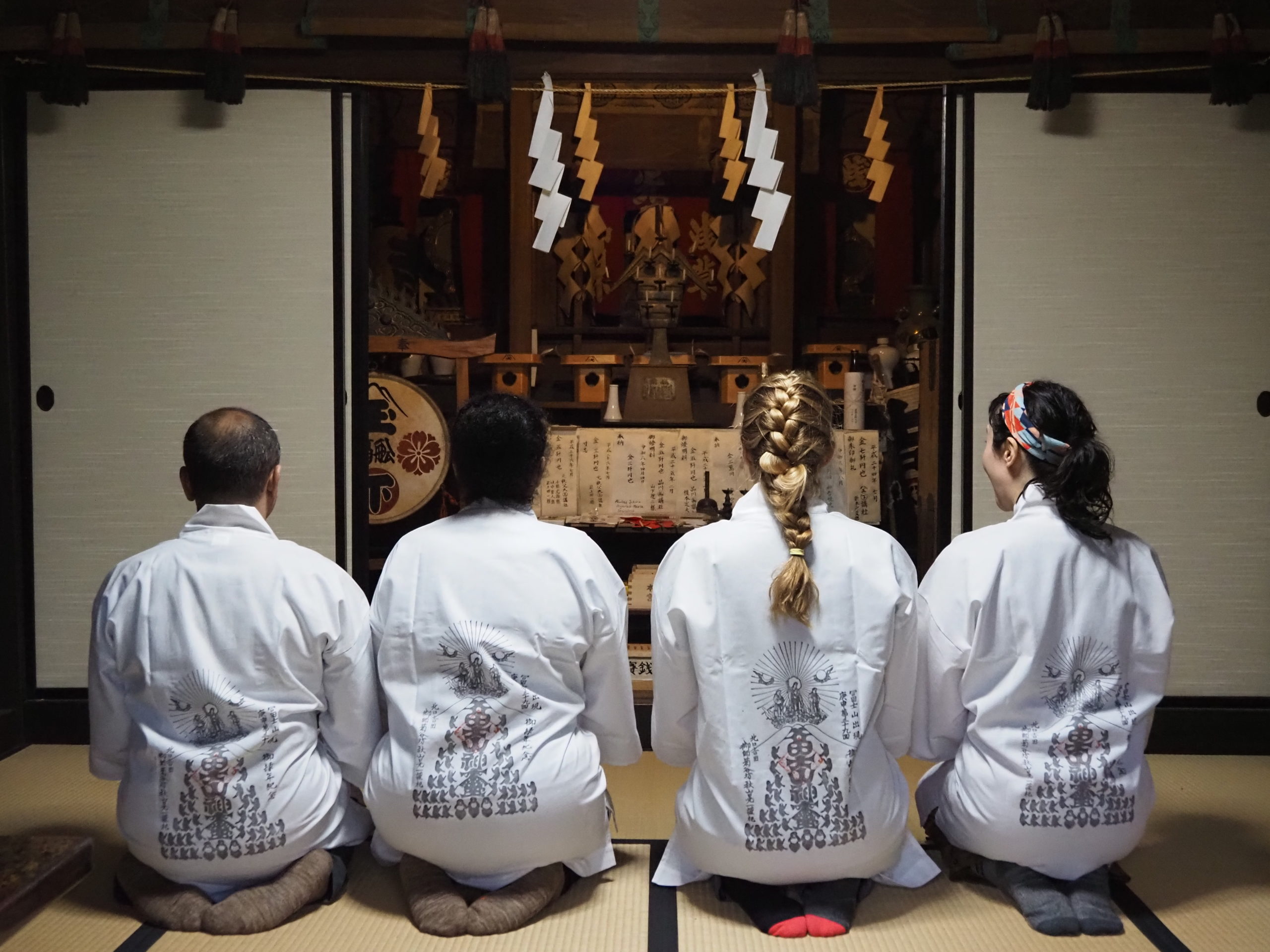
Since old times, Mount Fuji has been a place of worship. We offer the opportunity to experience the culture and industry born from the ecosystem and religious mountaineering in Fujiyoshida City at the foot of the mountain.

<AREA MAP>

We’ll be climbing Mount Fuji via the Yoshida Trail on the tour.

  • Yoshida Trail: Most popular, with well-developed facilities. Number of climbers (Summer 2026): 134,777.
  • Fujinomiya Trail: The shortest route, and the trail is the same as the descent trail. Number of climbers (Summer 2026): 60,866.
  • Subashiri Trail: A good mix of crowds and scenery. Number of climbers (Summer 2026): 27,129.
  • Gotemba Trail: Longest and most challenging, less crowded. Number of climbers (Summer 2026): 17,664.

→ See details on the official Mt. Fuji website [Four Trailheads and Ascending Trails]

TOUR LINEUP

Explore Our Mt. Fuji Tours

We offer both intimate small-group private climbs and shared journeys where like-minded travelers connect. Every experience is guided with local expertise and care.

Private Group Climb and Team Building
04 / GROUP & RETREAT

Private Group Tour

Private Group Climb & Team Building

Bespoke mountain journeys for families, friend groups, and corporate team retreats—designed around shared goals, custom pacing, and dedicated group support.

VIEW TOUR →

<AREA MAP>

We’ll be climbing Mount Fuji via the Yoshida Trail.

Meet the Guides

The heart of JIN lies in the “people” who create the value of the experience. Our guides have been weaving one-of-a-kind stories as we face Mt. Fuji and our guests. We look forward to weaving new stories with our guests.

Fujiyoshida City Official Mount Fuji Guides

Emergency First Aid Certified

10 years / 150+ climbs

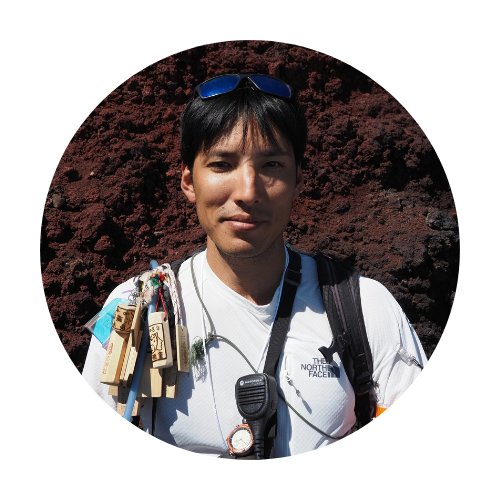
Kenji Fujimoto

Founder of Japan Exploration Tours JIN. With 48 countries visited, after 8 years of working for travel agencies, he started his own company in 2018 to explore Japan. Since 2004, official Mt. Fuji guide.

Ko Yamashita

He has been a member of the exploration club since his student days, delving deep into travel and local culture. After flying as a pilot, he became an English guide. Since 2014, official Mt. Fuji guide.

Daiki Nishikawa

He loves Sagrada Familia in Spain and leads a dual life between Barcelona and Japan. He has published an Mt. Fuji climbing photo book titled  “FUGAKUZEROKEI”.  Since 2013, official Mt. Fuji guide.

Ryoma Ueno

He was a member of the university mountaineering club, climbing mountains both in Japan and abroad. A licensed motorsport enthusiast and enjoys racetrack driving. Since 2009, official Mt. Fuji guide.

Kenji grew up in a family of passionate hikers and has been exploring mountains since childhood. He joined a mountaineering club in junior high school and began guiding on Mt. Fuji during his university years. His love for travel led him to backpack across the world as a student, shaping his belief that travel has the power to transform people.

After working at three travel companies for eight years, Kenji founded Japan Exploration Tours JIN in 2018. Since then, he has specialized in creating meaningful, immersive experiences for international travelers. Mt. Fuji guiding remains his life’s work and a core inspiration for everything he does.

Kenji has over 13 years of Mt. Fuji guiding experience, more than 400 days escorting adventure and remote-region tours overseas, and has visited around 50 countries. During the pandemic, he developed an online Mt. Fuji climbing experience that connected people with Japan’s nature from around the world. Alongside his spouse, he has completed a round-the-world journey and describes himself as a “Tourism Artist,” dedicated to designing journeys that inspire.


Qualifications & Experiences

  • Founder & Lead Guide, Japan Exploration Tours JIN (Osaka, Kyoto & Mt. Fuji)
  • Certified Mt. Fuji guide by Fujiyoshida City Guide Association since 2004 (Japanese/English)
  • Over 400 days guiding international trekking and remote-area expeditions
  • Guided as a tour leader on major overseas treks: Stok Kangri (6,156m), Kilimanjaro (three summits), Mt. Wilhelm, Mt. Toubkal, Kala Patthar, Annapurna Sanctuary, Patagonia W Circuit, and more
  • Holder of Japan’s national certifications for tour conducting and travel operations
  • Former member of Musashi Junior & Senior High School Mountaineering Club
  • Member of the Kyoto University Exploration Club
  • Exchange program at The Chinese University of Hong Kong (Hospitality & Tourism Management)
  • MBA in Tourism from Kyoto University

Born and raised in Japan, he graduated from Kyoto University with a degree in Integrated Human Studies, majoring in Cultural Anthropology.
During his university years, he joined the Exploration Club, conducting fieldwork both in Japan and abroad.

He began working as a Mt. Fuji guide at the age of 19 while still in college, and climbing Mt. Fuji has since become his life’s work — with approximately 200 summits as of 2025. In addition to Mt. Fuji, he regularly leads trekking expeditions to Nepal, the Middle East, and Mt. Kilimanjaro.

While at university, he also launched English-speaking guided tours in Kyoto and Osaka, and continues to serve as both the main guide and tour coordinator. After graduation, he entered the Civil Aviation College for pilot training but eventually left the program, choosing to return to the world of travel and guiding. He currently serves as a managing director at JIN, overseeing operations and management. His favorite countries are India and Namibia, and his favorite food is “something I’ve never tried before.”


Qualifications & Experiences

  • General Manager, Japan Exploration Tours JIN (Osaka, Kyoto & Mt. Fuji)
  • Certified Mt. Fuji guide by Fujiyoshida City Guide Association since 2014 (Japanese/English)
  • Certified in Wilderness First Aid (WFA).
  • Experienced in leading international trekking tours, regularly guiding group expeditions to Nepal and Mt. Kilimanjaro.
  • Holds both the government-issued Tour Conductor license and the Travel Business Manager qualification in Japan.
  • Graduated from a national university with a major in Cultural Anthropology.

Drawing on his cross-disciplinary experience in culture, arts, architecture, and tourism in cities such as Barcelona and Kyoto, he explores how travel can connect people and places and transform the way we see the world. He oversees the full spectrum of operations, from tour design and marketing to digital strategy and brand development.

Centering his work around the symbolic presence of Mt. Fuji, he designs journeys that link the mountain’s base and summit — connecting people with nature, and tradition with contemporary life. Beyond the act of climbing, his tours invite guests to experience Japan’s spirituality, mountain faith, and cultural narratives as a living story. Through meaningful dialogue with local communities, he strives to create travel experiences that allow each guest to encounter the deeper essence of Japan.

He works primarily in the field of arts and culture while pursuing his artistic practice alongside his work as a Mt. Fuji guide. Through photography, sound, text, and installation, he explores the relationship between people and Mt. Fuji.

In 2023, he published FUGAKUZEROKEI, a photographic book documenting Mt. Fuji through the eyes of those who work on the mountain. In February 2026, he held a photography exhibition titled “FUGAKUZEROKEI” at the Okada Koyo Photo Art Museum in Oshino Village. In July of the same year, he presented “ROKKONSHŌJŌ, a solo installation exhibition at Pilgrims’ Inn Kamnabi in Fujiyoshida City.

In 2026, he founded NURARCA, an art management venture partnering with artists rooted in their own lands across the Middle East, Africa, and Japan. By illuminating their creativity, it brings the world new perspectives and inspiration through expression born of diverse cultural backgrounds.


Qualifications & Experiences

  • Director & In-house Designer, Mt. Fuji Division, Japan Exploration Tours JIN
  • Certified Mt. Fuji guide by Fujiyoshida City Guide Association since 2013 (Japanese/English/Spanish)
  • Certified in Wilderness First Aid (WFA)
  • Received a local fire department commendation in 2026 for performing CPR and AED resuscitation on a climber in cardiac arrest on Mt. Fuji
  • B.A. in International Relations, Ritsumeikan University (Kyoto, Japan)
  • Withdrew from M.A. Program in Human and Environmental Studies, Kyoto University (Kyoto, Japan)
  • M.A. in Arts and Cultural Management, International University of Catalonia (Barcelona, Spain)
  • Completed Mountains 101 Course, University of Alberta (Canada)

Born in Kyoto and raised in Osaka, he grew up in an urban environment with little access to nature. However, from a young age, his parents often took him to the mountains, including the Northern Alps, where he developed a deep love for the outdoors.

In university, he joined the mountaineering club and gained experience in rock climbing and alpine climbing. During his time as club captain, he led expeditions to Mt. Kinabalu, the highest peak in Southeast Asia, and the Rocky Mountains in the United States.

He became fascinated with Mt. Fuji while still a student, which led him to start his guiding career. He has guided more than 250 ascents of Mt. Fuji and is appointed as a board member of the Fujiyoshida City Guide Association.


Qualifications & Experiences

  • Senior Guide, Japan Exploration Tours JIN (Osaka & Kyoto)
  • Certified Mt. Fuji guide by Fujiyoshida City Guide Association since 2009 (Japanese/English)
  • Board Member, Fujiyoshida City Guide Association since 2025
  • Certified in Wilderness First Aid – Basic Course (Outdoor Emergency Care)
  • Former Captain of the Ryukoku University Mountaineering Club
  • Licensed Comprehensive Travel Supervisor (Tour Conductor Qualification)
  • Bachelor’s Degree in Business Administration (Accounting), Ryukoku University

Meet the Guides

The heart of JIN lies in the “people” who create the value of the experience. Our guides have weaved one-of-a-kind stories as we face Mt. Fuji and our guests. We look forward to weaving new stories with our guests.

The heart of JIN lies in the “people” who create the value of the experience. Our guides have woven one-of-a-kind stories as we face Mt. Fuji and our guests. We look forward to weaving new stories with our guests.

Kenji Fujimoto

Founder of Japan Exploration Tours JIN. With 48 countries visited, after 8 years of working for travel agencies, he started his own company in 2018 to explore Japan. Since 2004, official Mt. Fuji guide.

Ko Yamashita

He has been a member of the exploration club since his student days, delving deep into travel and local culture. After flying as a pilot, he became an English guide. Since 2014, official Mt. Fuji guide.

Daiki Nishikawa

He loves Sagrada Familia in Spain and leads a dual life between Barcelona and Japan. He has published an Mt. Fuji climbing photo book titled  “FUGAKUZEROKEI”.  Since 2013, official Mt. Fuji guide.

Ryoma Ueno

He was a member of the university mountaineering club, climbing mountains both in Japan and abroad. A licensed motorsport enthusiast and enjoys racetrack driving. Since 2009, official Mt. Fuji guide.

Kenji grew up in a family of passionate hikers and has been exploring mountains since childhood. He joined a mountaineering club in junior high school and began guiding on Mt. Fuji during his university years. His love for travel led him to backpack across the world as a student, shaping his belief that travel has the power to transform people.

After working at three travel companies for eight years, Kenji founded Japan Exploration Tours JIN in 2018. Since then, he has specialized in creating meaningful, immersive experiences for international travelers. Mt. Fuji guiding remains his life’s work and a core inspiration for everything he does.

Kenji has over 13 years of Mt. Fuji guiding experience, more than 400 days escorting adventure and remote-region tours overseas, and has visited around 50 countries. During the pandemic, he developed an online Mt. Fuji climbing experience that connected people with Japan’s nature from around the world. Alongside his spouse, he has completed a round-the-world journey and describes himself as a “Tourism Artist,” dedicated to designing journeys that inspire.


Qualifications & Experiences

  • Founder & Lead Guide, Japan Exploration Tours JIN (Osaka, Kyoto & Mt. Fuji)
  • Certified Mt. Fuji guide by Fujiyoshida City Guide Association since 2004 (Japanese/English)
  • Over 400 days guiding international trekking and remote-area expeditions
  • Guided as a tour leader on major overseas treks: Stok Kangri (6,156m), Kilimanjaro (three summits), Mt. Wilhelm, Mt. Toubkal, Kala Patthar, Annapurna Sanctuary, Patagonia W Circuit, and more
  • Holder of Japan’s national certifications for tour conducting and travel operations
  • Former member of Musashi Junior & Senior High School Mountaineering Club
  • Member of the Kyoto University Exploration Club
  • Exchange program at The Chinese University of Hong Kong (Hospitality & Tourism Management)
  • MBA in Tourism from Kyoto University

Born and raised in Japan, he graduated from Kyoto University with a degree in Integrated Human Studies, majoring in Cultural Anthropology.
During his university years, he joined the Exploration Club, conducting fieldwork both in Japan and abroad.

He began working as a Mt. Fuji guide at the age of 19 while still in college, and climbing Mt. Fuji has since become his life’s work — with approximately 200 summits as of 2025. In addition to Mt. Fuji, he regularly leads trekking expeditions to Nepal, the Middle East, and Mt. Kilimanjaro.

While at university, he also launched English-speaking guided tours in Kyoto and Osaka, and continues to serve as both the main guide and tour coordinator. After graduation, he entered the Civil Aviation College for pilot training but eventually left the program, choosing to return to the world of travel and guiding. He currently serves as a managing director at JIN, overseeing operations and management. His favorite countries are India and Namibia, and his favorite food is “something I’ve never tried before.”


Qualifications & Experiences

  • General Manager, Japan Exploration Tours JIN (Osaka, Kyoto & Mt. Fuji)
  • Certified Mt. Fuji guide by Fujiyoshida City Guide Association since 2014 (Japanese/English)
  • Certified in Wilderness First Aid (WFA).
  • Experienced in leading international trekking tours, regularly guiding group expeditions to Nepal and Mt. Kilimanjaro.
  • Holds both the government-issued Tour Conductor license and the Travel Business Manager qualification in Japan.
  • Graduated from a national university with a major in Cultural Anthropology.

Drawing on his cross-disciplinary experience in culture, arts, architecture, and tourism in cities such as Barcelona and Kyoto, he explores how travel can connect people and places and transform the way we see the world. He oversees the full spectrum of operations, from tour design and marketing to digital strategy and brand development.

Centering his work around the symbolic presence of Mt. Fuji, he designs journeys that link the mountain’s base and summit — connecting people with nature, and tradition with contemporary life. Beyond the act of climbing, his tours invite guests to experience Japan’s spirituality, mountain faith, and cultural narratives as a living story. Through meaningful dialogue with local communities, he strives to create travel experiences that allow each guest to encounter the deeper essence of Japan.

He works primarily in the field of arts and culture while pursuing his artistic practice alongside his work as a Mt. Fuji guide. Through photography, sound, text, and installation, he explores the relationship between people and Mt. Fuji.

In 2023, he published FUGAKUZEROKEI, a photographic book documenting Mt. Fuji through the eyes of those who work on the mountain. In February 2026, he held a photography exhibition titled “FUGAKUZEROKEI” at the Okada Koyo Photo Art Museum in Oshino Village. In July of the same year, he presented “ROKKONSHŌJŌ”, a solo installation exhibition at Pilgrims’ Inn Kamnabi in Fujiyoshida City.

In 2026, he founded NURARCA, an art management venture partnering with artists rooted in their own lands across the Middle East, Africa, and Japan. By illuminating their creativity, it brings the world new perspectives and inspiration through expression born of diverse cultural backgrounds.


Qualifications & Experiences

  • Director & In-house Designer, Mt. Fuji Division, Japan Exploration Tours JIN
  • Certified Mt. Fuji guide by Fujiyoshida City Guide Association since 2013 (Japanese/English/Spanish)
  • Certified in Wilderness First Aid (WFA)
  • Received a local fire department commendation in 2026 for performing CPR and AED resuscitation on a climber in cardiac arrest on Mt. Fuji
  • B.A. in International Relations, Ritsumeikan University (Kyoto, Japan)
  • Withdrew from M.A. Program in Human and Environmental Studies, Kyoto University (Kyoto, Japan)
  • M.A. in Arts and Cultural Management, International University of Catalonia (Barcelona, Spain)
  • Completed Mountains 101 Course, University of Alberta (Canada)

Born in Kyoto and raised in Osaka, he grew up in an urban environment with little access to nature. However, from a young age, his parents often took me to the mountains, including the Northern Alps, where he developed a deep love for the outdoors.

In university, he joined the mountaineering club and gained experience in rock climbing and alpine climbing. During his time as club captain, he led expeditions to Mt. Kinabalu, the highest peak in Southeast Asia, and the Rocky Mountains in the United States.

He became fascinated with Mt. Fuji while still a student, which led me to start my guiding career. He has been guided more than 250 ascents of Mt. Fuji and is appointed as a board member of the Fujiyoshida City Guide Association.


Qualifications & Experiences

  • Senior Guide, Japan Exploration Tours JIN (Osaka & Kyoto)
  • Certified Mt. Fuji guide by Fujiyoshida City Guide Association since 2009 (Japanese/English)
  • Board Member, Fujiyoshida City Guide Association since 2025
  • Certified in Wilderness First Aid – Basic Course (Outdoor Emergency Care)
  • Former Captain of the Ryukoku University Mountaineering Club
  • Licensed Comprehensive Travel Supervisor (Tour Conductor Qualification)
  • Bachelor’s Degree in Business Administration (Accounting), Ryukoku University
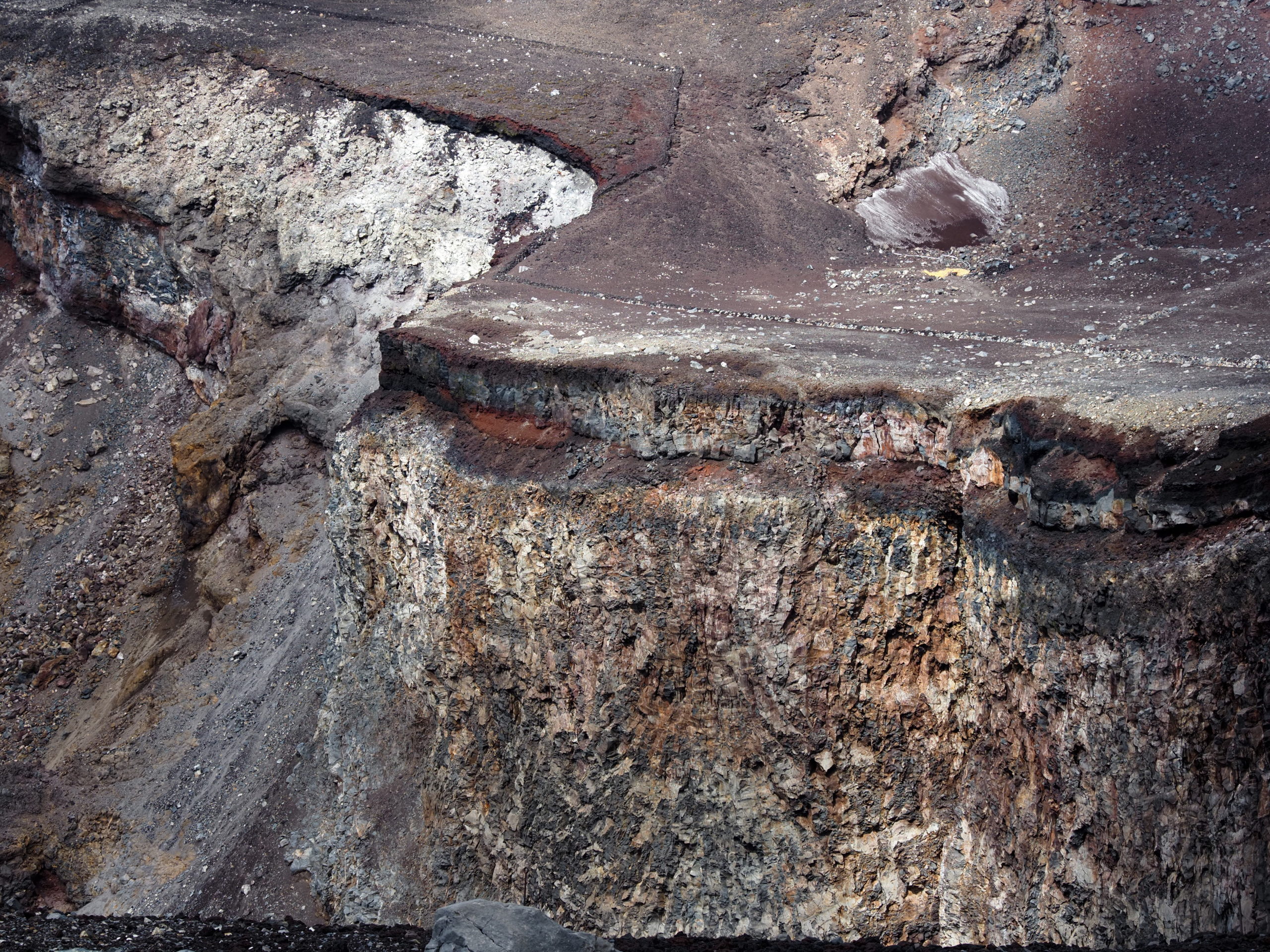
Summit crater ridge of Mt. Fuji
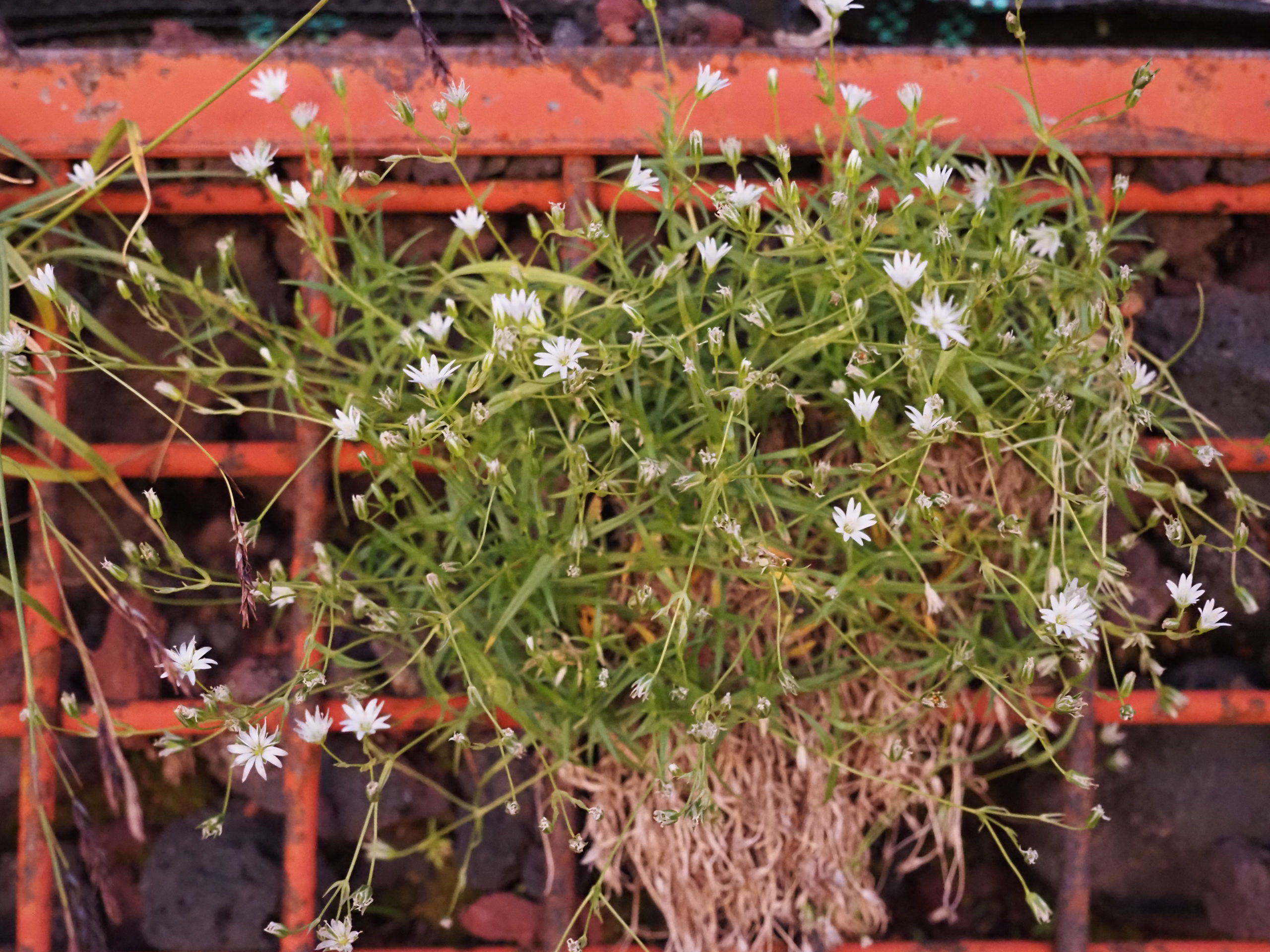
Alpine flora along the Mt. Fuji journey
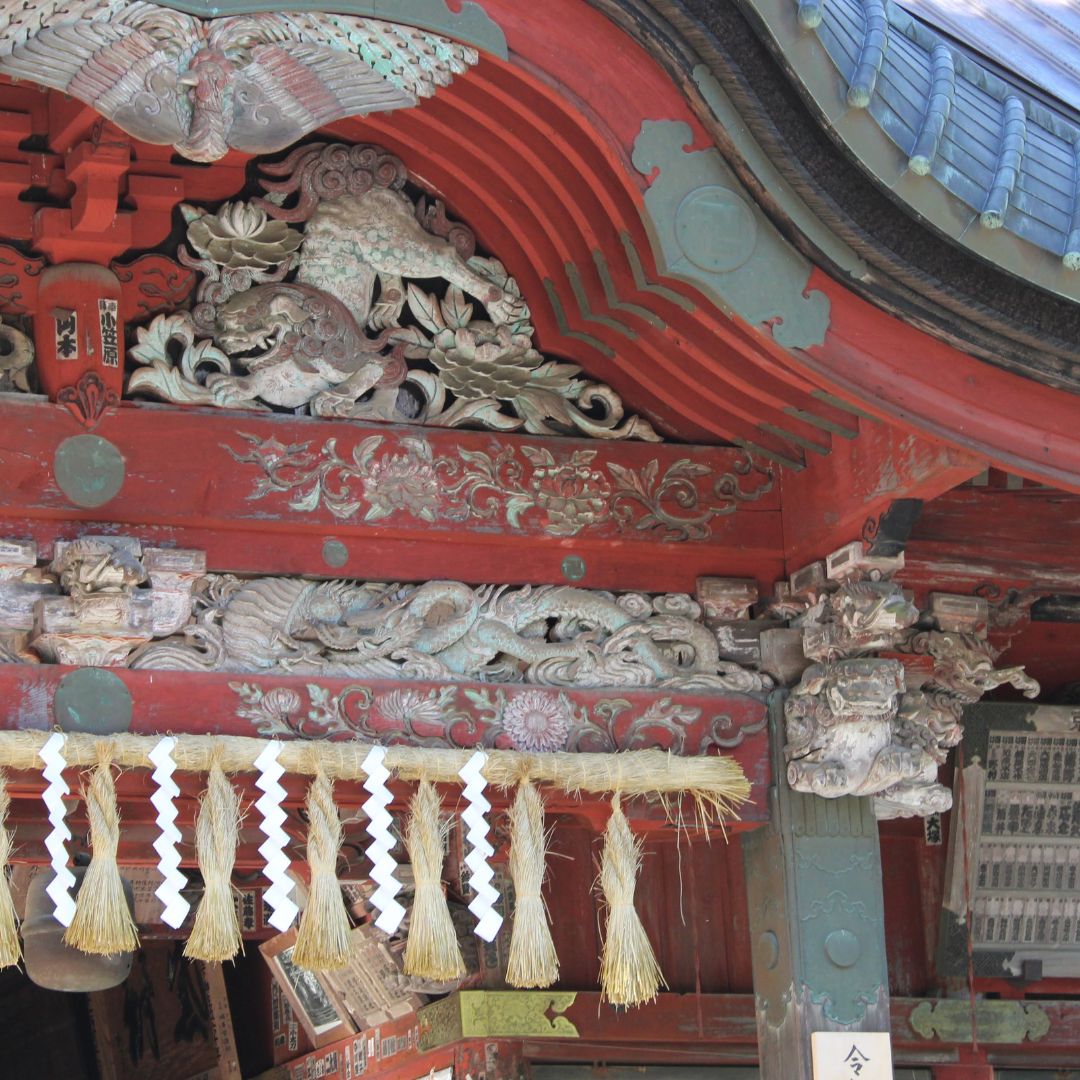
Shrine detail connected to Mt. Fuji heritage
Descending route on Mt. Fuji

Mt. Fuji Blog: Latest Articles

Travel stories, local culture, and practical tips for your Mt. Fuji journey, written by our expert guides.

LEARN MORE →

Why Is Climbing Mount Fuji Considered a Pilgrimage?

May 27, 2026

Fujiyoshida City: The Gateway Town of Mount Fuji

March 20, 2026

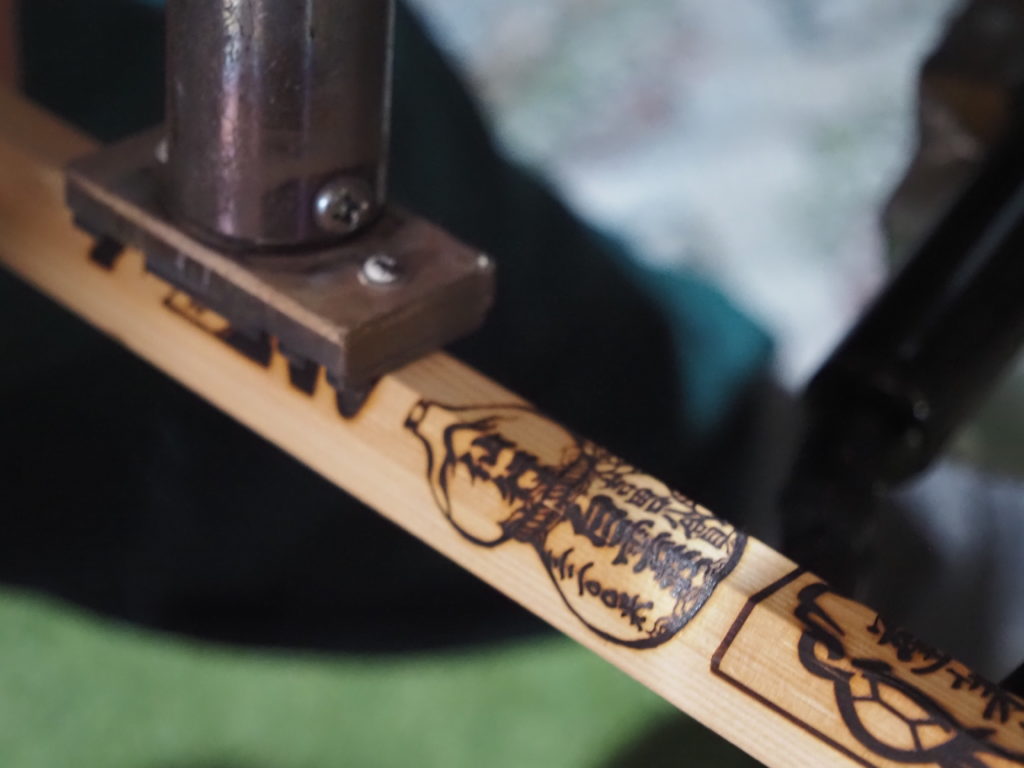
Climbing Mount Fuji with a Kongō-zue

March 27, 2026

Mt. Fuji Blog: Latest Articles

Travel stories, local culture, and practical tips for your Mt. Fuji journey, written by our expert guides.

LEARN MORE →

Why Is Climbing Mount Fuji Considered a Pilgrimage?

May 27, 2026

Fujiyoshida City: The Gateway Town of Mount Fuji

March 20, 2026

FAQ: Your Mt. Fuji Adventure

Note: This FAQ is intended as a general guide and does not replace the need for thorough research and preparation before climbing Mt. Fuji.

Q: How difficult is climbing Mt. Fuji?

A: Mt. Fuji(3,776 meters) is considered a moderately challenging climb, especially due to the altitude and potential for rapidly changing weather conditions. While technical climbing skills aren’t necessary, a good level of fitness and preparation will significantly improve your experience.


Q: What percentage of climbers reach the summit?

A: The summit success rate for Mt. Fuji is estimated to be around 70〜80% of climbers reach the summit during the official climbing season.


Q: How long does it take?

A: Most climbers complete the ascent in 5-7 hours and the descent in 3-4 hours from the 5th station to the summit. Many people choose to stay overnight at a mountain hut and summit for sunrise, spreading the climb over two days.

At JIN’s Tour, it takes around 8-10 hours to ascend and 4-5 hours to descend as we walk slowly to avoid altitude sickness and save stamina. Over 95% of participants have successfully summited Mt. Fuji with our tour, which prioritizes safety and provides a valuable and enriching experience. 


Q: When is the best time of year to climb Mt. Fuji?

A: The official climbing season is from July 1 to September 10 on the Yoshida trail, and from July 10 to September 10 on the Subashiri, Gotemba, and Fujinomiya trails. This provides the safest weather conditions and the most open facilities. 


Q: Where is Mt. Fuji in Japan?

A: Mt. Fuji lies between Yamanashi and Shizuoka prefectures on Honshu Island, Japan’s main island. It is 1 and a half hours from Tokyo by highway bus.


Q: How many routes are there? Which is the best?

A: There are four main routes:

  • Yoshida: Most popular, with well-developed facilities. Number of climbers (Summer 2026): 134,777.
  • Fujinomiya: The shortest route, and the trail is the same as the descent trail. Number of climbers (Summer 2026): 60,866.
  • Subashiri: A good mix of crowds and scenery. Number of climbers (Summer 2026): 27,129.
  • Gotemba: Longest and most challenging, less crowded. Number of climbers (Summer 2026): 17,664.

There’s no single ‘best’ route. It depends on your preference, experience, and timing.


Q: How much does it cost?

A: Costs can vary, but here’s a general idea:

  • Entrance Fee: Climbers who pass through the gate at the fifth station will pay a fee of 4,000 yen per person. 
  • Accommodation: Mountain huts range from 9,000-15,000 yen per person per night.
  • Food/Water: Prices are higher on the mountain. Plan an additional 5,000 – 10,000 yen.
  • Transportation: Varies with your starting point. There are trains and highway buses to the foot of Mt. Fuji or direct highway buses from Tokyo to the 5th station of the Yoshida trail. 
  • Guided Tours: Prices vary depending on the company and the itinerary.

Q: What equipment do I need?

A: Here’s the essential gear: See how to prepare.

  • Hiking boots: Sturdy, waterproof, and with good ankle support
  • Layered clothing: Prepare for warm weather at the base and cold, windy conditions near the top. A waterproof jacket and pants are crucial.
  • Backpack: Around 25 liters to carry water, snacks, warm layers, etc.
  • Headlamp/flashlight: For night hiking
  • Sunscreen & Hat: Sun protection is vital
  • First-aid Kit: Basic supplies for cuts, blisters, etc.
  • Cash: Some facilities on the mountain do not accept credit cards or electronic payments.

Q: How much physical strength is required?

A: Climbing Mt Fuji demands a good level of cardio fitness and leg strength. You should be comfortable with sustained hiking for several hours and able to handle steep, uneven terrain. Regular training in the months leading up to the climb is highly recommended. See how to prepare.


 →See details on how to prepare


Q: Can I make reservations at mountain lodges?

A: Yes, and it’s highly advisable to make a reservation for lodges in advance. You can often book directly on the mountain hut’s website. Some lodges may be closed when you arrive at night, so be sure to check the opening hours in advance.

Mountain Hut Reservations

Each mountain hut usually has its own booking system. Refer to the official Mt. Fuji website for links to individual hut reservation sites.

Q: What is the weather like on Mt. Fuji?

A: Mt. Fuji is a high mountain, so there is a significant temperature difference between the base and the summit. Especially, it could be a tough situation with temperatures below zero degree before sunrise near the summit when it’s windy and rainy. The weather can also change rapidly. Check the weather forecast thoroughly before setting off and prepare clothing and equipment for a variety of temperatures and precipitation.


Q: Are there days when you can’t climb?

A: The climbing trails may be closed due to severe weather such as typhoons. Even during the official climbing season (July to mid-September), always check the latest information. Even if the trails are open, it is important to avoid climbing if the weather conditions are unsafe.


Q: What is altitude sickness? How many people get it? What should I do if I get it?

A: Altitude sickness is a condition that can occur when you ascend to a high altitude too quickly. Symptoms include headache, dizziness, and nausea. It is thought that a certain percentage of people climbing Mt. Fuji will experience altitude sickness. For mild symptoms, it may help to ascend slowly, rest, and drink plenty of fluids. If symptoms are severe, it is important to descend (return to a lower altitude) immediately.


 →See details in our Mt. Fuji Blog(How to prevent and manage altitude sickness)


Q: Is there a risk of falling rocks?

A: Yes, there is a risk of falling rocks on Mt. Fuji’s trails as they are made of volcanic gravel. Be aware of your surroundings. Avoid walking directly below other climbers and keep a safe distance from them. You can consider the helmet-free lending service (Yoshida Trail and Fujinomiya Trail).

*[Yoshida Trail] Helmet free lending service at Mt. Fuji 6th station, Mt. Fuji Safety Guidance Center. Quantities are limited. Pay a deposit of 2,000 yen/per Helmet. The deposit will be returned only when the borrowed helmets are not damaged or lost.

*[Fujinomiya Trail] Mt. Fuji General Information Center at the 5th station provides Helmet free lending. No deposit, but you need to fill out a form.


Q: Is it safe to bring children? Is there an age limit?

A: Climbing Mt. Fuji with young children is not recommended due to the high physical demands and risks involved. Children over elementary school age may be able to climb with a guardian, but it is important to carefully consider the weather and the child’s physical condition. There is no official age limit for climbing Mt. Fuji.


Q: Can beginner climbers climb Mt. Fuji?

A: Mt. Fuji does not require special mountaineering skills, but it is a moderately challenging climb. It is recommended that you have a basic level of fitness and some hiking experience. Beginners may want to consider using a guided tour.


Q: What precautions should I take when climbing Mt. Fuji?

A: To ensure a safe and enjoyable climb, take the following precautions:

  • Check the weather forecast thoroughly.
  • Avoid setting unrealistic schedules.
  • Prepare appropriate clothing and equipment.
  • Understand altitude sickness and be aware of its symptoms.
  • Consider purchasing travel insurance.
  • Please do not litter; take your trash with you. 

Q: What is prohibited while climbing Mt. Fuji?

A: The following acts are prohibited:

  • Leaving the trails
  • Collecting plants, stones, or animals
  • Camping on the trails
  • Lighting open fires
  • Flying drones 

Please cooperate with the rules to protect the environment of Mt. Fuji.

Q: Can I climb alone?

A: Yes, you can climb alone. While it’s technically possible to climb Mt. Fuji alone, it’s generally not recommended, especially for those without significant hiking experience. Climbing with a partner or group is safer, as you’ll have assistance in case of emergencies or unexpected weather changes.


Q: Should I have a guide?

A: A guide is not mandatory for climbing Mt. Fuji. However, there are several benefits to consider:

  • Safety: Guides are knowledgeable about weather patterns and trail conditions, and can assist you in managing altitude sickness and any unforeseen incidents.
  • Navigation: Following a guide eliminates the stress of navigating, especially at night or in poor visibility.
  • Pacing: Guides help you maintain a suitable pace, key to a successful climb and avoiding exhaustion.
  • Cultural Insights: Learning about Mt. Fuji’s history and significance enhances your experience.

Q: Is it worth it to join a guided tour among the attractive Japan tours available in various locations?

A: Absolutely! Guided Mt. Fuji tours offer several advantages over visiting other spots in Japan:

  • Logistics: Tours handle transportation, accommodation, and often meals, streamlining your adventure.
  • Efficiency: You maximize your time by focusing on the climb itself.
  • Camaraderie: Tours create a social atmosphere where you can share the experience with like-minded people.
  • Ease for Foreign Travelers: Guided tours often overcome language barriers and provide support for navigating Japanese customs and transportation.

Ultimately, the decision to climb solo, hire a guide, or join a guided tour depends on your experience level, comfort with independent travel, and what type of experience you want to have on Mt. Fuji.

Q: What are the features of each travel agency?

A: Travel agencies specializing in Mt. Fuji tours offer a range of features. Here’s what to consider:

  • Group Size: Do they offer large, medium, or small group climbs?
  • Itinerary: Is it purely focused on the climb, or does it incorporate other Japanese cultural experiences?
  • Accommodation: Type of mountain huts used (more basic or slightly more comfortable).
  • Guide Experience: What qualifications and experience do their guides possess?
  • Price: Look for value, not just the cheapest option. What’s included and excluded in the cost?

Q: What are the key points to look for?

A: Prioritize safety and enjoyment when selecting a tour operator. Research these factors:

  • Reputation: Read online reviews, check testimonials, and see if they’re affiliated with any tourism organizations.
  • Safety focus: Inquire about their emergency procedures, guide-to-climber ratios, and altitude sickness protocols.
  • Itinerary Clarity: A well-defined itinerary helps you understand exactly what’s included.
  • Customer service: Responsive and helpful communication is a good sign.

Q: Can you offer private tours that include local, on-the-ground expertise and flexibility?

A: Yes! At JIN’s Tours, we specialize in private Mt. Fuji tours tailored to your interests and fitness levels. Our guides provide insider knowledge and we can customize your itinerary for a unique and unforgettable experience.

Let us know if you’d like to discuss creating a unique Mt. Fuji tour crafted just for you!

Q: What are some useful websites related to Mt. Fuji climbing?

A: Here’s a breakdown of some useful websites for Mt. Fuji climbing info, separated into categories

Official Websites:

  • Mt. Fuji Official Website: Offers information on trails, regulations, mountain hut reservations, and safety guidelines.
  • Fujiyoshida City Site: The official tourism website offers information on attractions, events, accommodation, access, and more. 

Recommended Accommodations at the foot of the Mt. Fuji Yoshida trail: 

  • Fujilake Hotel: A well-established, mid-size hotel directly on Lake Kawaguchiko offering amazing Mount Fuji views.
  • Fuji-Q Highland Resort: Located in Fuji-Q Highland, an amusement area that blends in harmony with nature, offering both stimulation and relaxation, allowing you to experience the splendor of Mt. Fuji with all your senses.
  • Kaneyamaen: Traditional Ryokan. Located directly on Lake Kawaguchiko. Offers tatami-mat rooms, kaiseki dining, onsen baths, and beautiful Fuji views.
  • Saruya Hostel: Blending tradition and modern comfort in a restored Japanese house. Great base for Mt. Fuji climbers, with bike rentals and a welcoming, social vibe.
  • OSHI KIKUYA: A historical house called ‘Oshi no ie’ is related to the tradition of the Mt.Fuji Pilgrimage in the Edo era. Family-run style accommodation, offering a more intimate and homey Japanese experience.
  • Oshi House Hitsuki: A historical house called ‘Oshi no ie’ is related to the tradition of the Mt.Fuji Pilgrimage in the Edo era. Family-run style accommodation, offering a more intimate and homey Japanese experience.
  • OSHI-KIKUYABO: A historical house called ‘Oshi no ie’ is related to the tradition of the Mt.Fuji Pilgrimage in the Edo era. Family-run style accommodation, offering a more intimate and homey Japanese experience.

FAQ: Your Mt. Fuji Adventure

Note: This FAQ is intended as a general guide and does not replace the need for thorough research and preparation before climbing Mt. Fuji.

Q: How difficult is climbing Mt. Fuji?

A: Mt. Fuji(3,776 meters) is considered a moderately challenging climb, especially due to the altitude and potential for rapidly changing weather conditions. While technical climbing skills aren’t necessary, a good level of fitness and preparation will significantly improve your experience.


Q: How many percentage of climbers reach the summit?

A: The summit success rate for Mt. Fuji is estimated to be around 70〜80% of climbers reach the summit during the official climbing season.


Q: How long does it take?

A: Most climbers complete the ascent in 5-7 hours and the descent in 3-4 hours from the 5th station to the summit. Many people choose to stay overnight at a mountain hut and summit for sunrise, spreading the climb over two days.

At JIN’s Tour, it takes around 8-10 hours to ascend and 4-5 hours to descend as we walk slowly to avoid altitude sickness and save stamina. Over 95% of participants have successfully summited Mt. Fuji with our tour, which prioritizes safety and provides a valuable and enriching experience. 


Q: When is the best time of year to climb Mt. Fuji?

A: The official climbing season is from July 1 to September 10 on the Yoshida trail, and from July 10 to September 10 on the Subashiri, Gotemba, and Fujinomiya trails. This provides the safest weather conditions and the most open facilities. 


Q: Where is Mt. Fuji in Japan?

A: Mt. Fuji lies between Yamanashi and Shizuoka prefectures on Honshu Island, Japan’s main island. It is 1 and a half hours from Tokyo by highway bus.


Q: How many routes are there? Which is the best?

A: There are four main routes:

  • Yoshida: Most popular, well-developed facilities. Number of Climbers 2025 Summer 121,068.
  • Fujinomiya: The shortest route and the trail are the same as the descending trail. Number of Climbers 2025 Summer 55,121.
  • Subashiri: A good mix of crowds and scenery. Number of Climbers 2025 Summer 21,792.
  • Gotemba: Longest and most challenging, less crowded. Number of Climbers 2025 Summer 7,119.

There’s no single ‘best’ route. It depends on your preference, experience, and timing.


Q: How much does it cost?

A: Costs can vary, but here’s a general idea:

  • Entrance Fee: Climbers who pass through the gate at the fifth station will pay a fee of 4,000 yen per person in 2025. 
  • Accommodation: Mountain huts range from 9,000-15,000 yen per person per night.
  • Food/Water: Prices are higher on the mountain. Plan an additional 5,000 – 10,000 yen.
  • Transportation: Varies with your starting point. There are train and highway bus to the foot of Mt. Fuji or direct highway bus from Tokyo to the 5th station of Yoshida trail. 
  • Guided Tours: Prices vary depending on the company and the itinerary.

Q: What equipment do I need?

A: Here’s the essential gear: See how to prepare.

  • Hiking boots: Sturdy, waterproof, and with good ankle support
  • Layered clothing: Prepare for warm weather at the base and cold, windy conditions near the top. A waterproof jacket and pants are crucial.
  • Backpack: Around 25 liters to carry water, snacks, warm layers, etc.
  • Headlamp/flashlight: For night hiking
  • Sunscreen & Hat: Sun protection is vital
  • First-aid Kit: Basic supplies for cuts, blisters, etc.
  • Cash: Some facilities on the mountain do not accept credit cards or electronic payments.

Q: How much physical strength is required?

A: Climbing Mt Fuji demands a good level of cardio fitness and leg strength. You should be comfortable with sustained hiking for several hours and able to handle steep, uneven terrain. Regular training in the months leading up to the climb is highly recommended. See how to prepare.


 →See details on how to prepare


Q: Can I make reservations at mountain lodges?

A: Yes, and it’s highly advisable to make a reservation for lodges in advance. You can often book directly on the mountain hut’s website. Some lodges may be closed when you arrive at night, so be sure to check the opening hours in advance.

Mountain Hut Reservations

Each mountain hut usually has its own booking system. Refer to the official Mt. Fuji website for links to individual hut reservation sites.
Q: What is the weather like on Mt. Fuji?

A: Mt. Fuji is a high mountain, so there is a significant temperature difference between the base and the summit. Especially, it could be a tough situation and less than minus zero degree before sunrise near the summit when it’s windy and rainy. The weather can also change rapidly. Check the weather forecast thoroughly before setting off and prepare clothing and equipment for a variety of temperatures and precipitation.


Q: Are there days when you can’t climb?

A: The climbing trails may be closed due to severe weather such as typhoons. Even during the official climbing season (July to mid-September), always check the latest information. Even if the trails are open, it is important to avoid climbing if the weather conditions are unsafe.


Q: What is altitude sickness? How many people get it? What should I do if I get it?

A: Altitude sickness is a condition that can occur when you ascend to a high altitude too quickly. Symptoms include headache, dizziness, and nausea. It is thought that a certain percentage of people climbing Mt. Fuji will experience altitude sickness. For mild symptoms, it may help to ascend slowly, rest, and drink plenty of fluids. If symptoms are severe, it is important to descend (return to a lower altitude) immediately.


→See details in our Mt. Fuji Blog( How to prevent and manage altitude sickeness)


Q: Is there a risk of falling rocks?

A: Yes, there is a risk of falling rocks on Mt. Fuji’s trails as they are made of volcanic gravel. Be aware of your surroundings. Avoid walking directly below other climbers and keep a safe distance from them. You can consider Helmet free lending service (Yoshida Trail and Fujinomiya Trail).

*[Yoshida Trail] Helmet free lending service at Mt. Fuji 6th station, Mt. Fuji Safety Guidance Center. Quantities are limited. Pay a deposit of 2,000 yen/per Helmet. The deposit will be returned only when the borrowed helmets are not damaged or lost.

*[Fujinomiya Trail] Mt. Fuji General Information Center at the 5th station provides Helmet free lending. No deposit, but you need to fill out a form.


Q: Is it safe to bring children? Is there an age limit?

A: Climbing Mt. Fuji with young children is not recommended due to the high physical demands and risks involved. Children over elementary school age may be able to climb with a guardian, but it is important to carefully consider the weather and the child’s physical condition. There is no official age limit for climbing Mt. Fuji.


Q: Can beginner climbers climb Mt. Fuji?

A: Mt. Fuji does not require special mountaineering skills, but it is a moderately challenging climb. It is recommended that you have a basic level of fitness and some hiking experience. Beginners may want to consider using a guided tour.


Q: What precautions should I take when climbing Mt. Fuji?

A: To ensure a safe and enjoyable climb, take the following precautions:

  • Check the weather forecast thoroughly.
  • Avoid setting unrealistic schedules.
  • Prepare appropriate clothing and equipment.
  • Understand altitude sickness and be aware of its symptoms.
  • Consider purchasing travel insurance.
  • Please do not litter, take your trash with you. 

Q: What is prohibited while climbing Mt. Fuji?

A: The following acts are prohibited:

  • Leaving the trails
  • Collecting plants, stones, or animals
  • Camping on the trails
  • Lighting open fires
  • Flying drones 

Please cooperate with the rules to protect the environment of Mt. Fuji.

Q: Can I climb alone?

A: Yes, you can climb alone, while it’s technically possible to climb Mt. Fuji alone, it’s generally not recommended, especially for those without significant hiking experience. Climbing with a partner or group is safer as you’ll have assistance in case of emergencies or unexpected weather changes.


Q: Should I have a guide?

A: A guide is not mandatory for climbing Mt. Fuji. However, there are several benefits to consider:

  • Safety: Guides are knowledgeable about weather patterns, and trail conditions, and can assist you in managing altitude sickness and any unforeseen incidents.
  • Navigation: Following a guide eliminates the stress of navigating, especially at night or in poor visibility.
  • Pacing: Guides help you maintain a suitable pace, key to a successful climb and avoiding exhaustion.
  • Cultural Insights: Learning about Mt. Fuji’s history and significance enhances your experience.

Q: Is it worth it to join a guided tour among the attractive Japan tours available in various locations?

A: Absolutely! Guided Mt. Fuji tours offer several advantages over visiting other spots in Japan:

  • Logistics: Tours handle transportation, accommodation, and often meals, streamlining your adventure.
  • Efficiency: You maximize your time by focusing on the climb itself.
  • Camaraderie: Tours create a social atmosphere where you can share the experience with like-minded people.
  • Ease for Foreign Travelers: Guided tours often overcome language barriers and provide support for navigating Japanese customs and transportation.

Ultimately, the decision to climb solo, hire a guide, or join a guided tour depends on your experience level, comfort with independent travel, and what type of experience you want to have on Mt. Fuji.

Q: What are the features of each travel agency?

A: Travel agencies specializing in Mt. Fuji tours offer a range of features. Here’s what to consider:

  • Group Size: Do they offer large, medium, or small group climbs?
  • Itinerary: Is it purely focused on the climb, or does it incorporate other Japanese cultural experiences?
  • Accommodation: Type of mountain huts used (more basic or slightly more comfortable).
  • Guide Experience: What qualifications and experience do their guides possess?
  • Price: Look for value, not just the cheapest option. What’s included and excluded in the cost?

Q: What are the key points to look for?

A: Prioritize safety and enjoyment when selecting a tour operator. Research these factors:

  • Reputation: Read online reviews, check testimonials, and see if they’re affiliated with any tourism organizations.
  • Safety focus: Inquire about their emergency procedures, guide-to-climber ratios, and altitude sickness protocols.
  • Itinerary Clarity: A well-defined itinerary helps you understand exactly what’s included.
  • Customer service: Responsive and helpful communication is a good sign.

Q: Can you offer private tours that include local, on-the-ground expertise and flexibility?

A: Yes! At JIN’s Tours, we specialize in private Mt. Fuji tours tailored to your interests and fitness levels. Our guides provide insider knowledge and we can customize your itinerary for a unique and unforgettable experience.

Let us know if you’d like to discuss creating a unique Mt. Fuji tour crafted just for you!

Q: What are some useful websites related to Mt. Fuji climbing?

A: Here’s a breakdown of some useful websites for Mt. Fuji climbing info, separated into categories

Official Websites:

  • Mt. Fuji Official Website: Offers information on trails, regulations, mountain hut reservations, and safety guidelines.
  • Fujiyoshida City Site: The official tourism website offers information on attractions, events, accommodation, access, and more. 

Recommended Accommodations at the foot of the Mt. Fuji Yoshida trail: 

  • Fujilake Hotel: A well-established, mid-size hotel directly on Lake Kawaguchiko offering amazing Mount Fuji views.
  • Fuji-Q Highland Resort: Located in Fuji-Q Highland, an amusement area that blends in harmony with nature that offers both stimulation and relaxation, allowing you to experience the splendor of Mt. Fuji with all your senses.
  • Kaneyamaen: Traditional Ryokan. Located directly on Lake Kawaguchiko. Offers tatami-mat rooms, kaiseki dining, onsen baths, and beautiful Fuji views.
  • Saruya Hostel: Blending tradition and modern comfort in a restored Japanese house. Great base for Mt. Fuji climbers, with bike rentals and a welcoming, social vibe.
  • Oshi House Hitsuki: A historical house called ‘Oshi no ie’ is related to the tradition of the Mt.Fuji Pilgrimage in the Edo era. Family-run style accommodation, offering a more intimate and homey Japanese experience.
  • OSHI-KIKUYA: A historical house called ‘Oshi no ie’ is related to the tradition of the Mt.Fuji Pilgrimage in the Edo era. Family-run style accommodation, offering a more intimate and homey Japanese experience.
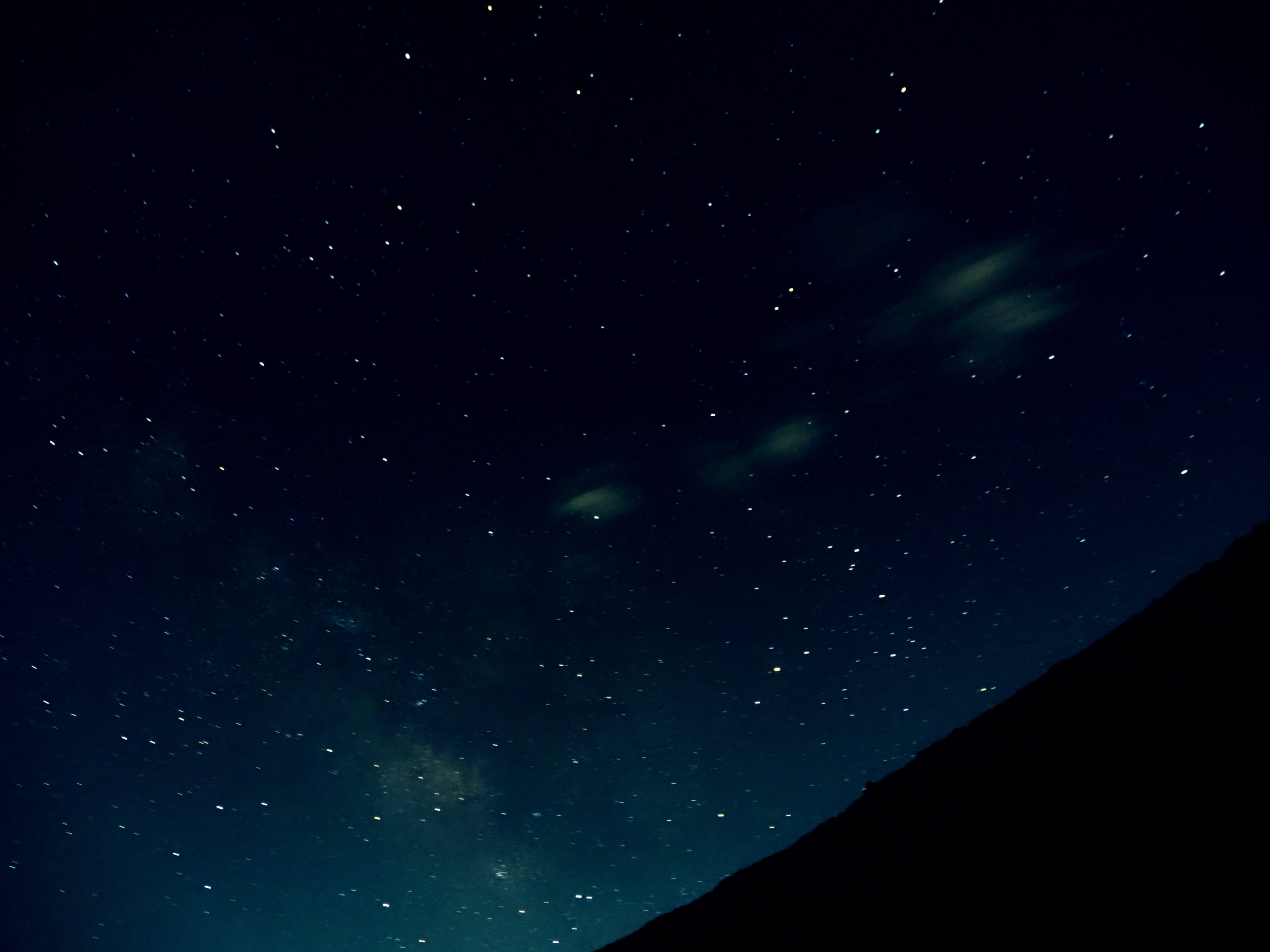
Night view and starry sky above Mt. Fuji
Night climb ascending Mt. Fuji
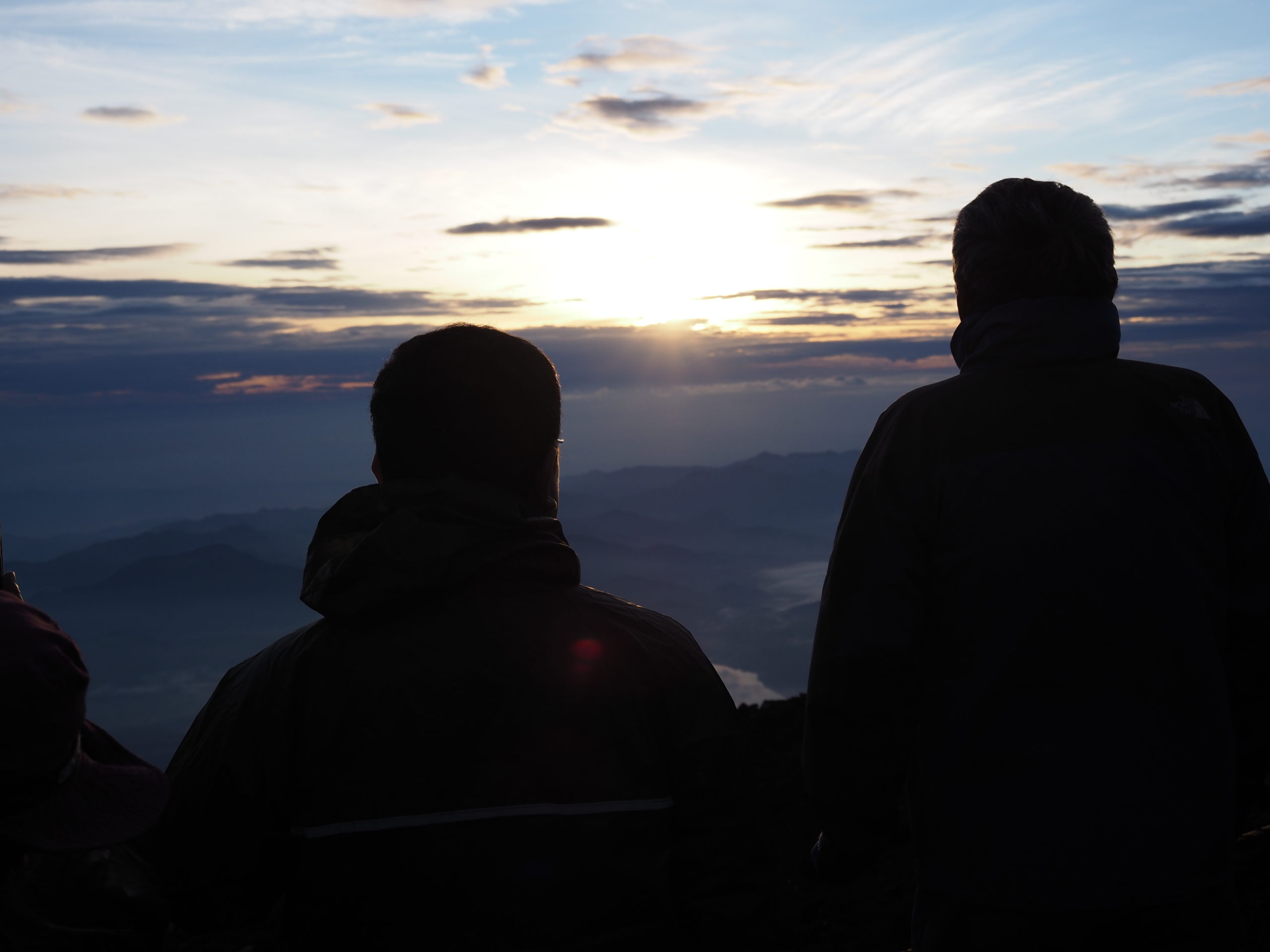
Sunrise breaking across the clouds on Mt. Fuji
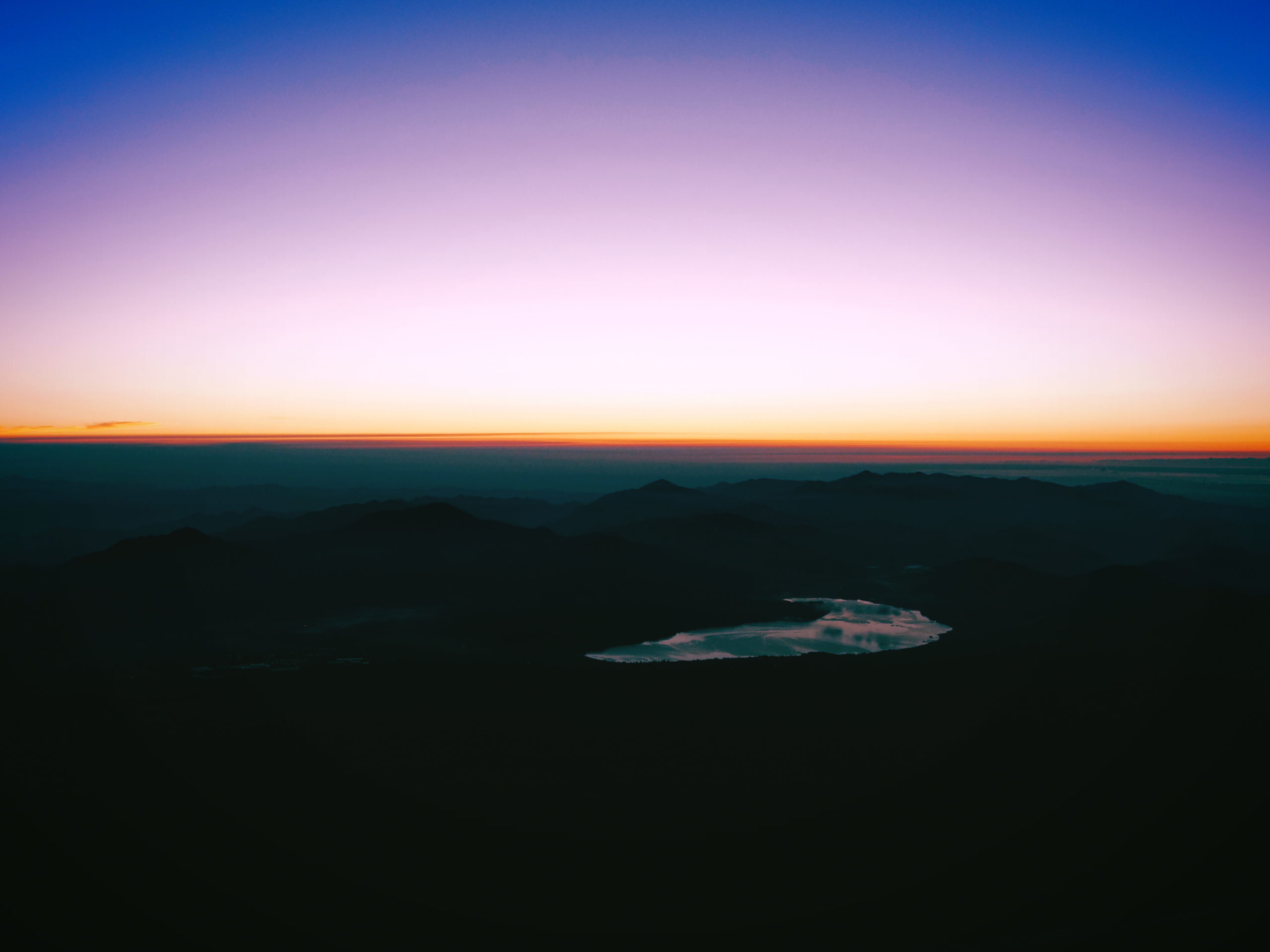
Dawn light over the horizon on Mt. Fuji

READY FOR YOUR NEXT ADVENTURE?

Your Mt. Fuji Experience Starts Here.

Find a tour that matches your interests, schedule, and goals.

INQUIRY

READY FOR YOUR NEXT ADVENTURE?

Your Mt. Fuji Experience Starts Here.

Find a tour that matches your interests, schedule, and goals.

INQUIRY